
 AS/RS-reksysteem & Geautomatiseerde magazijnoplossingen | SSTC-inlichtingendienst

Invoering: In the field of warehouse automation, “acceptance testing of automated storage and retrieval systems” is a long-standing pain point for the industry. One company in our industry spent three years grappling with this issue – from attempting to obtain testing certifications for nearly 30 parameters of core equipment such as stacker cranes and four-way shuttle cars, to visiting well-known domestic and international integrators to discuss acceptance testing logic. The industry realities discovered during this process are worth noting for all industry professionals.
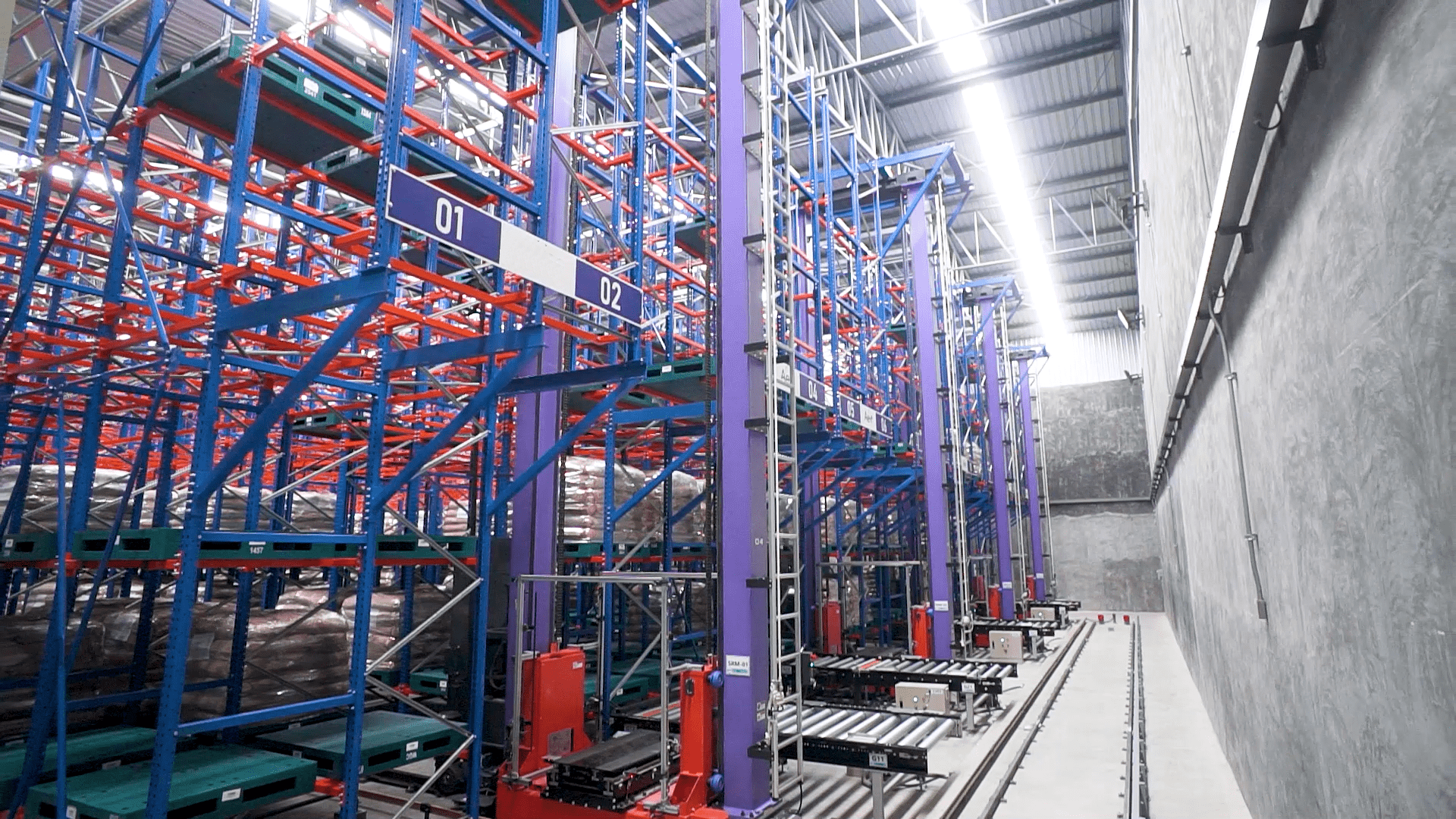
Current Situation: Automated Warehouse System Acceptance Facing a “Three-Fold” Dilemma
After multiple rounds of communication and research, the acceptance of automated warehouse projects currently faces three core problems, often leading to impasses at the project’s conclusion:
- Lack of Unified Standards: The customized nature of the system falls under the “non-standard” category, often following the principle of “whoever designs and implements is responsible,” lacking general acceptance standards for reference, resulting in ambiguous acceptance criteria;
- Lack of Equivalent Professionalism: The integrator’s professional capabilities far exceed those of the client, making it difficult for the client to accurately identify problems. Feedback is often vague, using phrases like “it’s not working well” or “there seems to be a problem,” preventing the formation of clear acceptance conclusions.
- Lack of Targeted Third-Party Testing: CE, UL, and other certifications only assess the “safety” of export projects for compliance, not covering equipment quality, functionality, and reliability, and there is a lack of specialized third-party testing organizations.

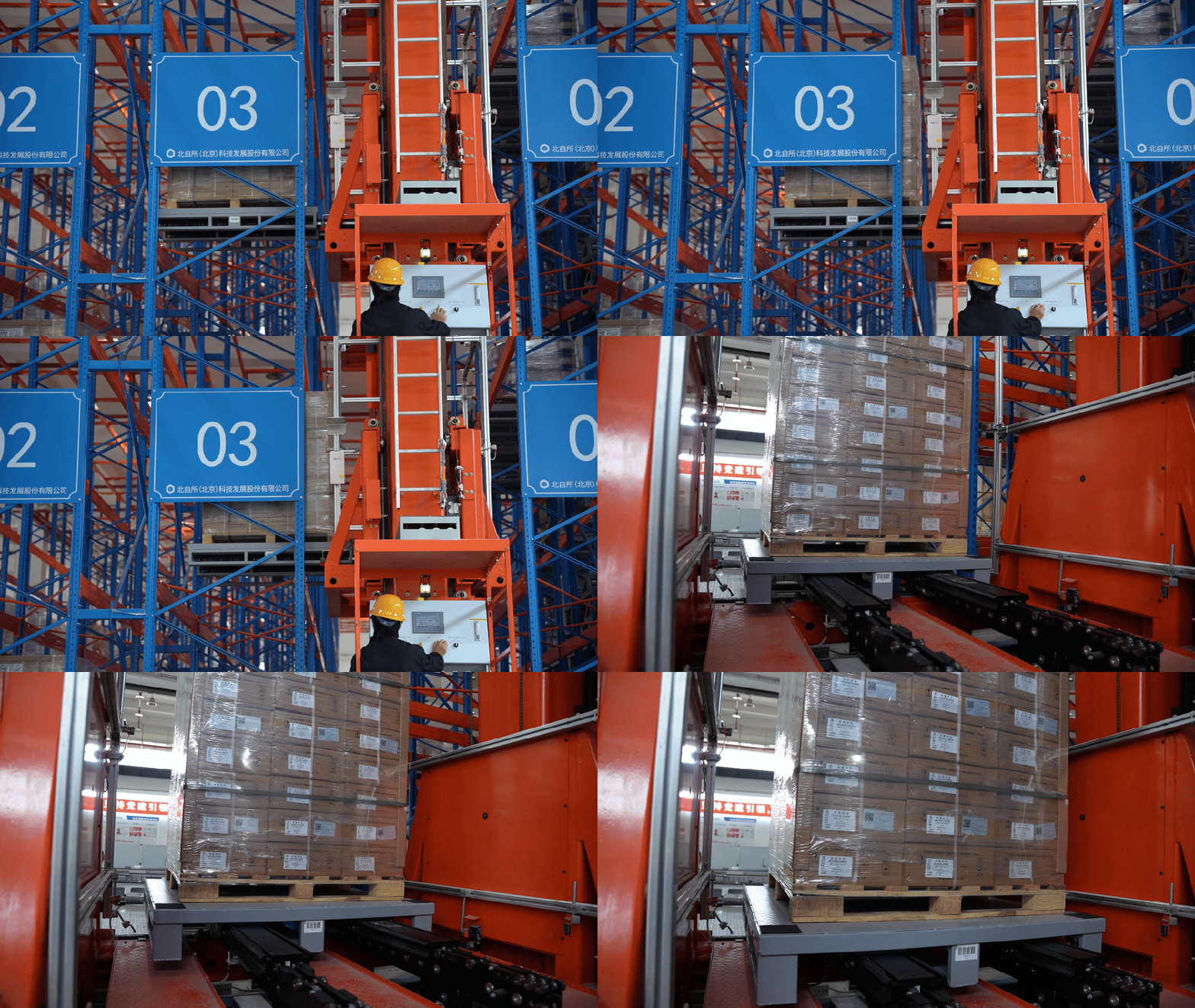
Breaking the Stalemate: 6 Core Acceptance Testing Items, Practical and Implementable
Is it true that automated warehouse projects can only be accepted through a “haphazard” process? The answer is clearly no. Based on in-depth discussions with the head of a system integration technology company in China, we have compiled a highly practical acceptance testing framework, covering a full range of checks from equipment to systems, and from performance to safety. The specific contents are as follows:
- Material and Equipment List Consistency Verification: Compare the actual quantity and model of equipment with the design drawings and simulation reports to ensure consistency with the plan.
- Single Machine Equipment Performance Parameter Testing: Focus on testing key indicators such as speed, acceleration, stopping accuracy, and operating noise to ensure that the basic performance of the equipment meets the standards.
- Single Machine Equipment Storage and Retrieval Efficiency Testing: Quantify the single-machine operation efficiency in three scenarios: “single storage,” “single retrieval,” and “combined storage and retrieval”.
- Overall System Inbound and Outbound Efficiency Testing: Verify the overall system operation capacity through “single inbound,” “single outbound,” and “combined inbound and outbound” tests.
- Overall System Work Failure Rate Testing: Calculate the percentage of failure time to total working time to evaluate system stability.
- Single Machine and Overall System Safety Evaluation: Conduct a comprehensive inspection of mechanical risks, electrical risks, operational risks, etc., to ensure safe system operation.
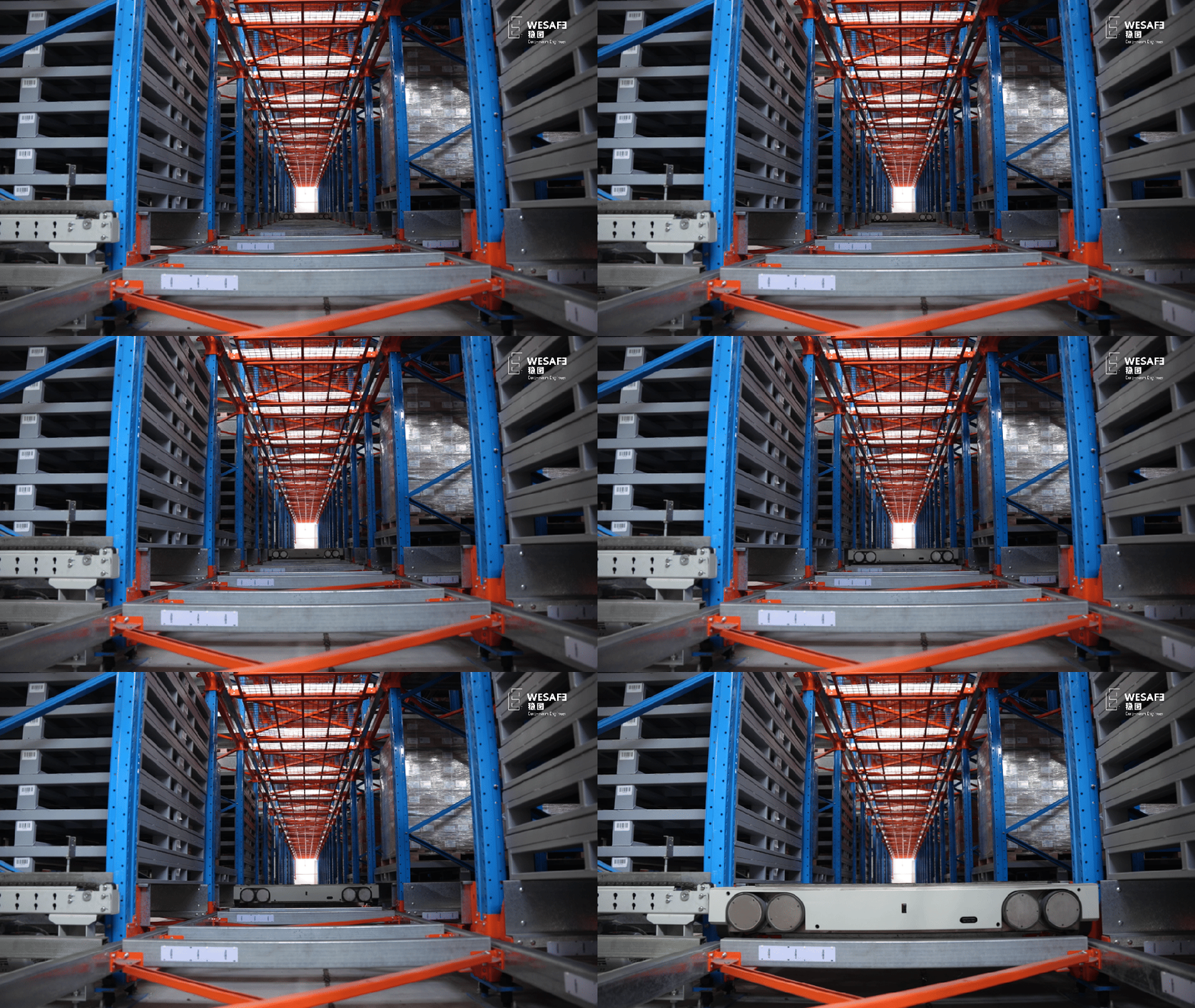
Outlook: 3-5 Years of Market Promotion to Drive Standardized Industry Development
This acceptance testing framework is not merely theoretical “paper talk,” but rather a solution refined from industry pain points and practical experience. We believe that through continuous market promotion over the next 3-5 jaren, more customers and integrators will adopt this standard, transforming the acceptance process of automated warehouse projects from “vague” to “standardized,” and injecting supervision and standardization into the healthy development of the industry.
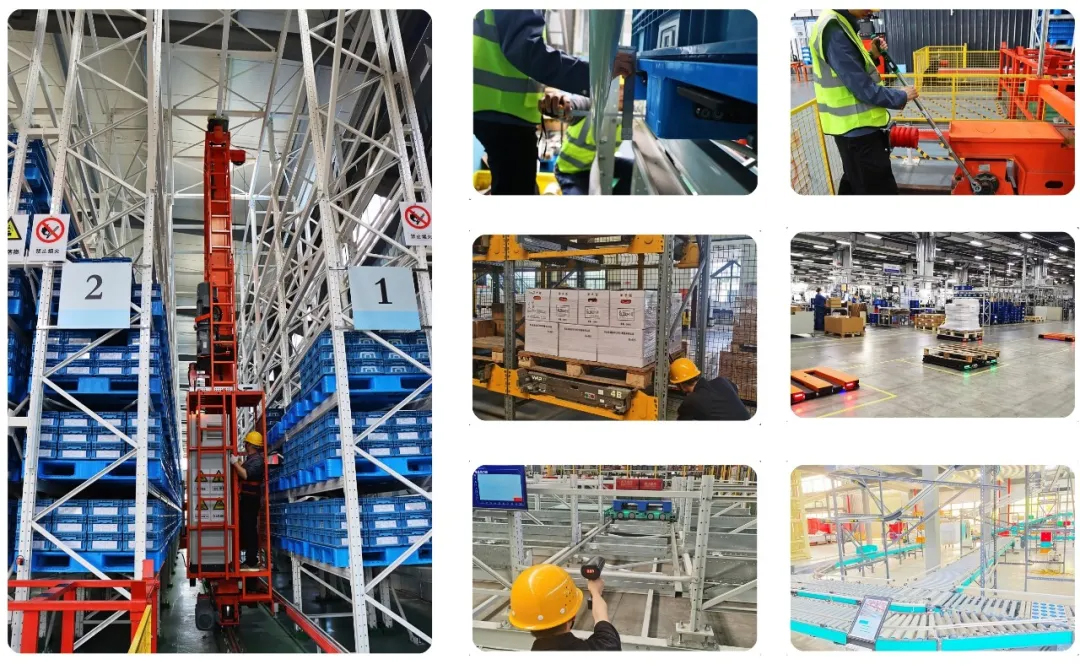
Conclusie
Solving the challenges of acceptance testing requires the participation of the entire industry. This checklist serves as both a starting point and a call to action – we hope to collaborate with more industry professionals to ensure that acceptance testing for automated warehouse and storage projects is guided by clear procedures and supported by verifiable evidence.