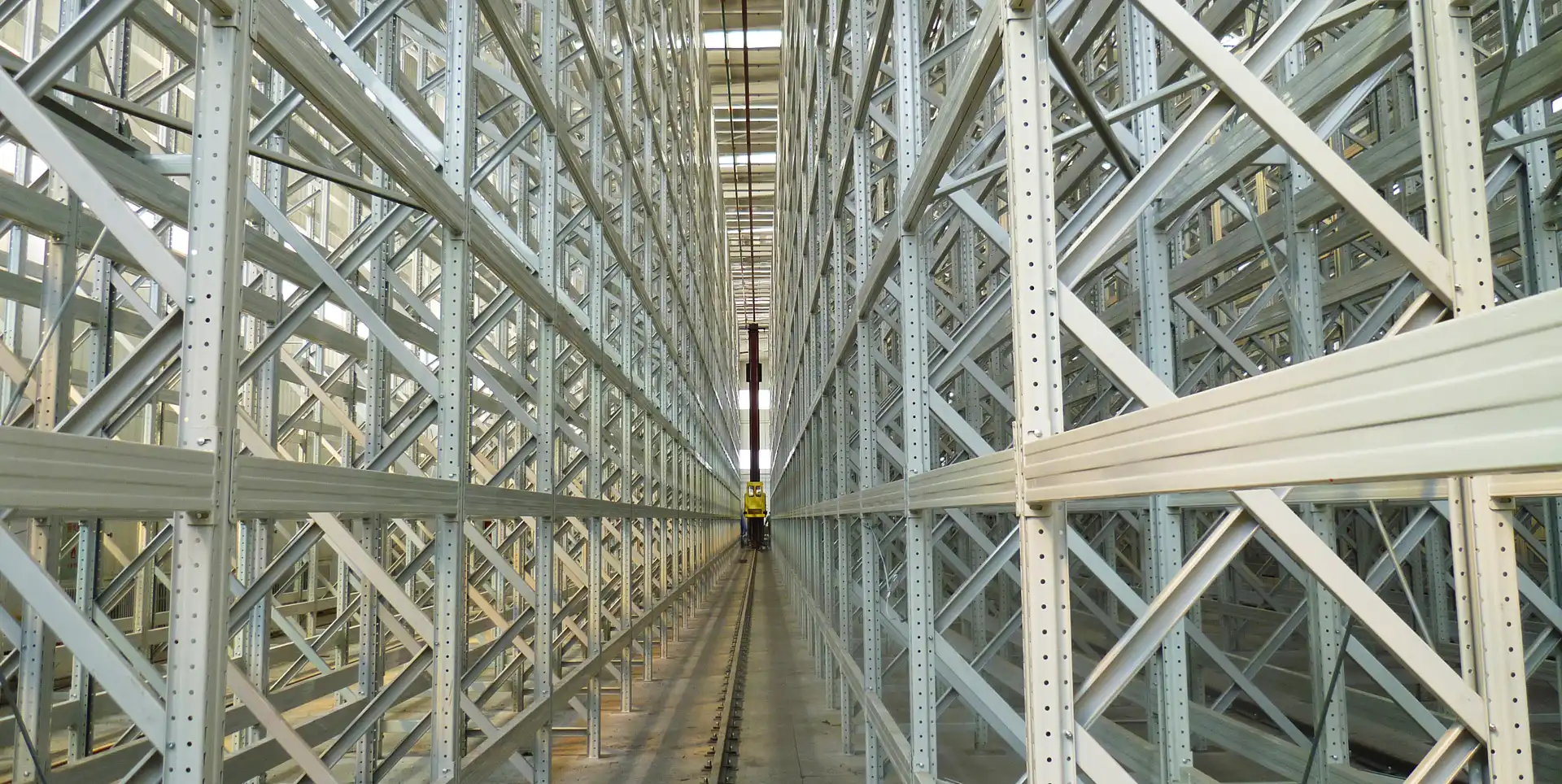
เทคโนโลยีข่าวกรอง SSTC - 4-Way Shuttle Racking & ผู้ผลิตระบบ AS/RS

ในยุคสมัยใหม่ของการผลิตอัจฉริยะ, ความผันผวนของห่วงโซ่อุปทานทั่วโลก, และค่าแรงที่เพิ่มขึ้น, the deployment of an Automated Storage and Retrieval System (เอเอส/อาร์เอส) is no longer a luxury—it is a vital operational necessity. อย่างไรก็ตาม, designing, วิศวกรรม, and commissioning a high-bay automated warehouse involves monumental structural, เครื่องกล, and safety challenges. When global enterprises evaluate automated storage solutions, one critical question invariably arises during technical procurement: Why do leading automated system integrators strictly require AS/RS infrastructure to be primarily referenced to FEM, ใน, and GB standards?
The answer lies in the uncompromising physics of high-density vertical storage. An industrial AS/RS is not merely a collection of steel shelves; it is a dynamic, high-velocity electro-mechanical ecosystem where stacker cranes accelerate at high G-forces, multi-directional pallet shuttles navigate complex multi-tier channels, and steel columns bear hundreds of tons of vertical load under strict deflection tolerances. Without internationally recognized engineering benchmarks, the risks of structural fatigue, mechanical jamming, catastrophic collapse, and severe legal liability multiply exponentially. Engineered for absolute safety, ความสมบูรณ์ของโครงสร้าง, and regulatory compliance, the advanced AS/RS solutions provided by หน่วยสืบราชการลับ SSTC (ชิเซิง ทงชาง) strictly adhere to these rigorous global standards. ดำเนินงานในฐานะผู้ผลิตโดยตรงที่มีประสบการณ์และผู้ให้บริการโซลูชั่นแบบครบวงจร, SSTC Intelligence bridges the gap between theoretical compliance and real-world operational excellence. This comprehensive industrial report explores the vital importance of AS/RS standards—specifically detailing active FEM, ใน, and GB codes—analyzes the 2026 global application landscape across key sectors, and evaluates the five-year growth trajectory across Southeast Asia through 2031.
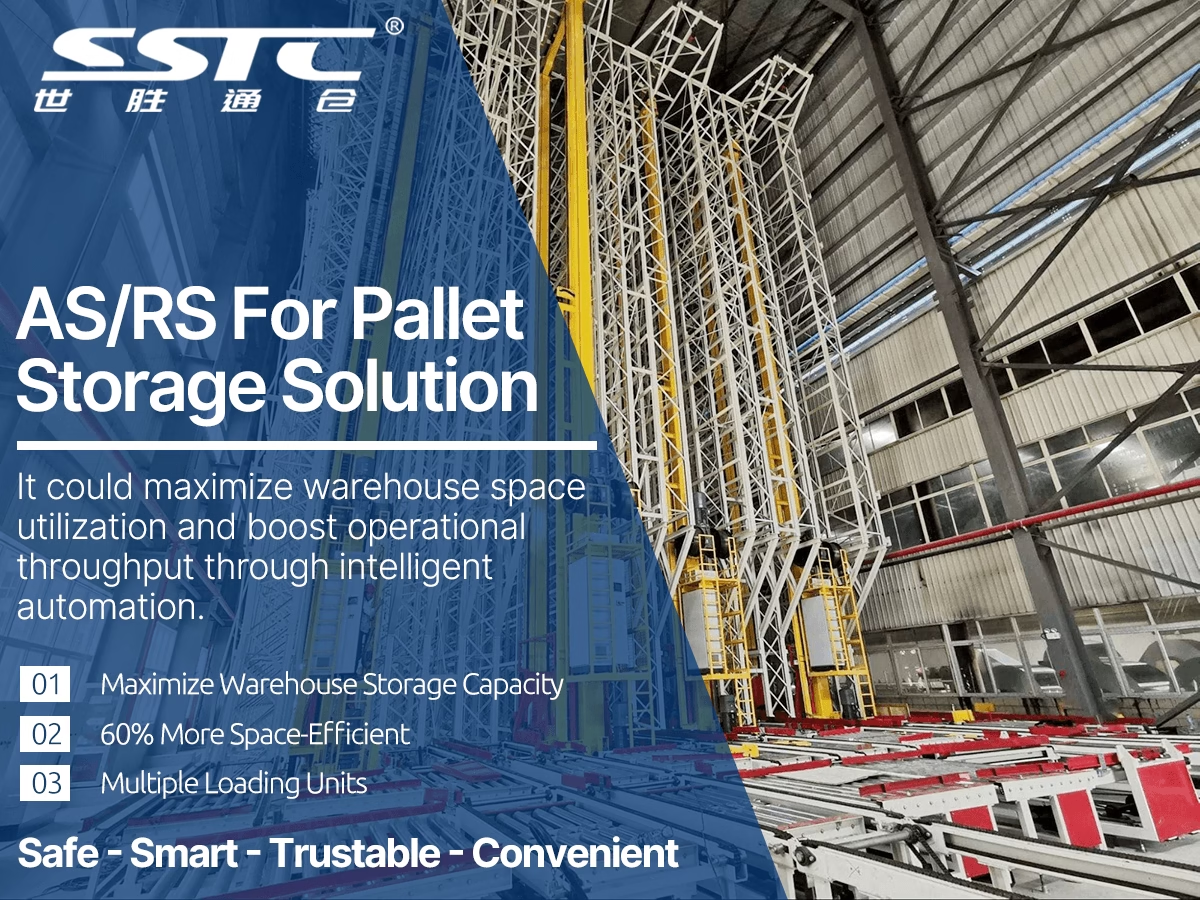
The Engineering Imperative: Decoding FEM, ใน, and GB Standards in AS/RS
Automated material handling equipment operates under conditions vastly different from traditional static pallet racking. While conventional selective pallet racks rely heavily on human forklift operators who can instinctively adapt to minor structural deformations or floor irregularities, an AS/RS stacker crane or automated shuttle operates with automated precision along fixed vertical and horizontal coordinates. A deviation of mere millimeters can cause catastrophic collisions, damaging expensive inventory and halting entire manufacturing lines.
To mitigate these risks, professional system integrators enforce compliance with three pillars of global standardization: เฟม (European Racking Federation), ใน (European Norms), และ กิกะไบต์ (Chinese National Standards). Below is a detailed breakdown of the active, official standard numbers and specific scopes governing modern AS/RS engineering:
1. FEM Standards: The Benchmark for European Racking and Storage Design
The European Racking Federation (เฟม) ร&S Product Group establishes some of the most rigorous voluntary and structural design guidelines utilized worldwide.
เฟม 10.2.02 (Design of Static Steel Pallet Racks): This foundational code dictates the calculation methods for structural components, การเชื่อมต่อลำแสง, and upright frames under static and repetitive loading conditions.
เฟม 10.2.08 (Recommendations for the Design of Static Steel Pallet Racks in Seismic Conditions): Essential for earthquake-prone regions, this standard provides specialized mathematical models and ductility criteria to ensure AS/RS structures withstand seismic accelerations without progressive collapse.
เฟม 9.831 / เฟม 9.841 (Guidelines for the Testing of Storage Systems and Safe Use): These documents govern the operational safety parameters, load testing protocols, and safety factors required for automated handling equipment interacting with high-bay racking.
2. EN Standards (European Norms): Legally Binding Harmonized European Regulations
While FEM provides specialized design guidelines, European Norms (ใน) represent legally harmonized standards adopted across the European Union and widely specified by international engineering firms:
ใน 15512 (Steel static storage systems — Adjustable pallet racking systems — Principles for structural design): The primary European standard for calculating structural steel strength, member buckling, and frame stability in storage systems.
ใน 15620 (Steel static storage systems — Tolerances, deformations and clearances): Arguably the most critical standard for AS/RS integration, ใน 15620 sets strict maximum limits on rack verticality, beam deflection under load, and operational clearances to ensure stacker cranes and shuttles never collide with upright structures.
ใน 15629 (Steel static storage systems — Specification of storage equipment) & ใน 15635 (Application and maintenance of storage equipment): These standards define the operational responsibilities, safe loading limits, damage classification protocols, and routine maintenance mandates for warehouse operators.
ใน 15095 (Power-operated mobile racking and shelving, carousels and storage lifts — Safety requirements): Governs the safety of motorized and automated mobile storage systems.
3. GB Standards (Chinese National Standards): Rigorous Engineering and Material Science
As China has risen as the global epicentre of automated logistics manufacturing, Chinese National (กิกะไบต์) standards have achieved parity with Western standards, offering exhaustive testing regimens and stringent material grade requirements.
กิกะไบต์/ที 22532 (Storage equipment — Adjustable pallet racking — Tolerances, deformations and clearances): The Chinese national equivalent to EN 15620, ensuring precise manufacturing tolerances for automated warehouses.
กิกะไบต์ 50009 (Load code for the design of building structures) & กิกะไบต์ 50011 (Standard for seismic design of buildings): Mandate structural response calculations against wind, dead loads, live loads, and regional seismic intensities.
กิกะไบต์ 50017 (Standard for design of steel structures): Establishes the ultimate limit states and fatigue design rules for high-strength structural steel utilized in multi-tier AS/RS clad-rack buildings.
By strictly designing and manufacturing in compliance with these active FEM, ใน, and GB standards, หน่วยสืบราชการลับ SSTC guarantees that every AS/RS installation delivers uncompromised structural safety, seamless system integration, and long-term durability. To explore our certified engineering solutions and actual project videos, เยี่ยม พื้นที่เก็บข้อมูล SSTC and our regional portal SSTC ประเทศจีน.
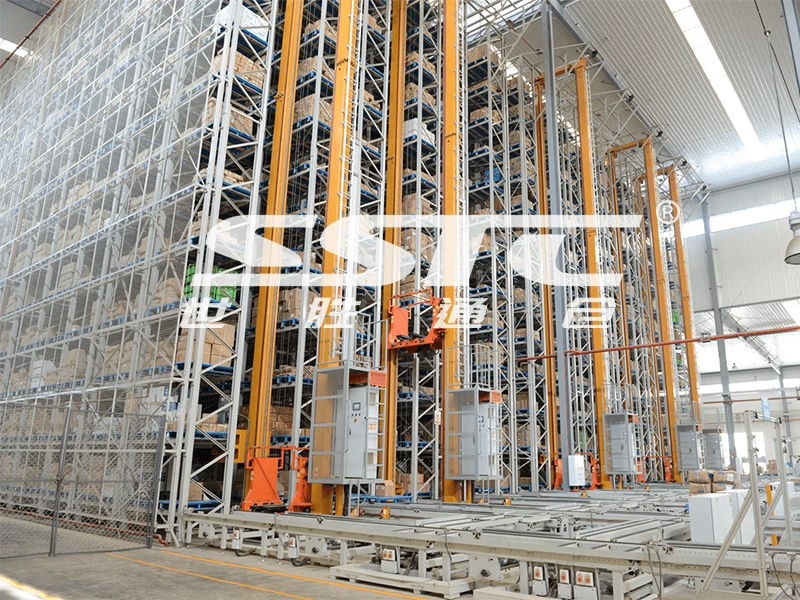
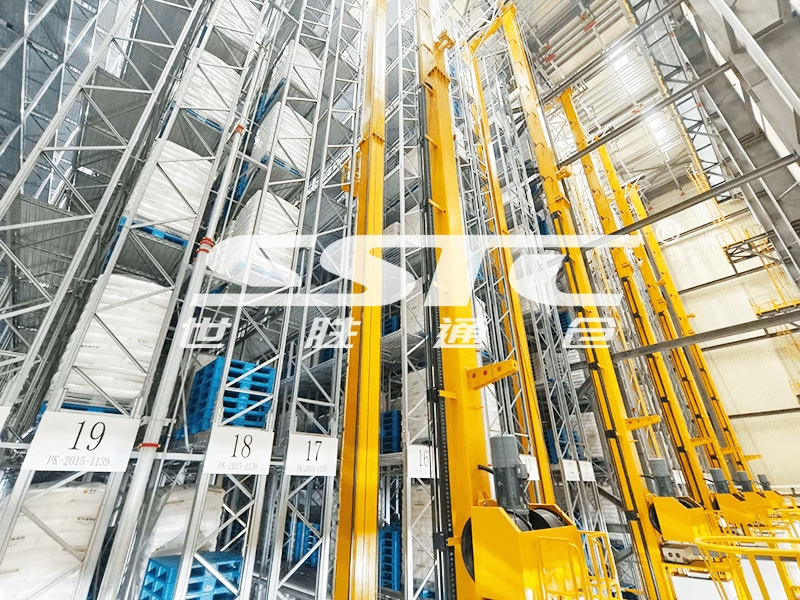
ที่ 2026 Global AS/RS Industry Application Matrix & Market Outlook
The global automated storage and retrieval system market has expanded rapidly, reaching an estimated valuation of USD 11.39 พันล้านใน 2026, driven by a robust compound annual growth rate (CAGR) of 8.34% toward USD 16.99 พันล้านโดย 2031. High-stakes industries—particularly pharmaceuticals, hazardous chemicals, and cold-chain logistics—are the primary catalysts for this growth.
To provide empirical clarity, the following data table outlines the 2026 global application landscape, primary operational drivers, and institutional data references for AS/RS deployment across key industrial sectors:
Table 1: Global AS/RS Industry Application Matrix & Market Insights (2026)
| ภาคอุตสาหกรรม | Primary AS/RS Technology Deployment | 2026 พลวัตของตลาด & ไดรเวอร์การดำเนินงาน | กฎระเบียบที่สำคัญ & มาตรฐานทางวิศวกรรม | แหล่งอ้างอิงการวิจัยระดับมืออาชีพ |
| ยา & Biologics | Unit-Load AS/RS, Mini-Load Tote Systems, Automated Cold-Room Shuttles | การทำให้เป็นอนุกรมที่เข้มงวด, temperature-controlled validation (-25°ซ ถึง +8°ซ), สภาพแวดล้อมห้องสะอาดปลอดการปนเปื้อน, การขาดแคลนแรงงานในเขตปลอดเชื้อ. | GMP, อย 21 ส่วนซีเอฟอาร์ 11, ไอเอสโอ 14644, ใน 15620 | รายงาน ASRS ของ Mordor Intelligence |
| Specialty & Industrial Chemicals | Heavy-Duty Unit-Load Cranes, Explosion-Proof Four-Way Shuttles, Pallet Flow AS/RS | Explosion-proof (ATEX/IECEx) การปฏิบัติตาม, corrosive material handling, strict segregation of reactive compounds, trace-and-recall security. | โอชา, ATEX Directives, กิกะไบต์ 50017, เฟม 10.2.02 | Mordor Intelligence ASEAN Chemical Logistics |
| โซ่เย็น & โลจิสติกส์อาหาร | High-Density Radio Shuttle AS/RS, Automated Stacker Cranes | บรรเทาต้นทุนพลังงานของเครื่องทำความเย็นที่เพิ่มสูงขึ้นโดยการเพิ่มความหนาแน่นลูกบาศก์สูงสุด 90%, eliminating empty cubic airspace. | HACCP, ไอเอสโอ 22000, ใน 15629, กิกะไบต์/ที 22532 | อุตสาหกรรมการขนถ่ายวัสดุ (มหิ) ข้อมูลเชิงลึก |
| Advanced Manufacturing & อิเล็กทรอนิกส์ | VLM (โมดูลการยกแนวตั้ง), Micro-Load AS/RS, สินค้าถึงบุคคล (จีทูพี) Stations | High-mix, low-volume component storage, ESD (electrostatic discharge) การป้องกัน, rapid micro-component retrieval. | IPC Standards, ไอเอสโอ 9001, ใน 15095 | พื้นที่เก็บข้อมูลการวิจัย ScienceDirect |
จุดเด่นของภูมิภาค: AS/RS Transformation Across Southeast Asia (2026–2031)
เอเชียตะวันออกเฉียงใต้ได้กลายมาเป็นหนึ่งในมหาอำนาจด้านการผลิตและลอจิสติกส์ที่มีพลวัตมากที่สุดในโลก. ขับเคลื่อนด้วยความหลากหลายของห่วงโซ่อุปทาน, การลงทุนโดยตรงจากต่างประเทศที่เพิ่มขึ้น (การลงทุนโดยตรงจากต่างประเทศ), และการพัฒนาอุตสาหกรรมอย่างรวดเร็ว, ประเทศต่างๆ ในกลุ่มอาเซียนกำลังปรับปรุงโครงสร้างพื้นฐานของตนให้ทันสมัยอย่างที่ไม่เคยมีมาก่อน.
Below is an in-depth analysis of AS/RS adoption and future outlook across key Southeast Asian markets:
1. สิงคโปร์: ศูนย์กลางระดับภูมิภาคสำหรับเภสัชภัณฑ์อัจฉริยะและโลจิสติกส์ขั้นสูง
ภูมิทัศน์ปัจจุบัน (2026): Singapore stands as Southeast Asia’s advanced biomedical and pharmaceutical capital. ด้วยความขาดแคลนที่ดินส่งผลให้ต้นทุนอสังหาริมทรัพย์ทางอุตสาหกรรมพุ่งสูงขึ้นอย่างมาก, คลังสินค้าแนวนอนไม่สามารถทำได้ในเชิงเศรษฐกิจ. Singaporean facilities heavily rely on ultra-high-density AS/RS, โมดูลการยกแนวตั้ง (VLM), และสถานีคัดแยกสินค้าอัตโนมัติ.
5-แนวโน้มปี (2026–2031): ขับเคลื่อนโดยความคิดริเริ่มของรัฐบาลภายใต้ Smart Nation และอุตสาหกรรม 4.0 เงินช่วยเหลือ, สิงคโปร์จะเห็นโกดังมืดที่เป็นอิสระอย่างเต็มที่ใกล้จะอิ่มตัว, with artificial intelligence-driven predictive maintenance and digital twin integration becoming standard across all new pharma distribution hubs.
2. ประเทศไทย: The Detroit of Asia Pivoting to Chemical & Automotive Automation
ภูมิทัศน์ปัจจุบัน (2026): Thailand anchors regional automotive and chemical processing. ระเบียงเศรษฐกิจภาคตะวันออก (อีอีซี) has attracted massive investments in petrochemical complexes and specialty chemical manufacturing. Facilities in Rayong and Chonburi are actively upgrading to heavy-duty AS/RS systems to manage hazardous pallet storage safely.
5-แนวโน้มปี (2026–2031): ได้รับการสนับสนุนจากประเทศไทย 4.0 รูปแบบทางเศรษฐกิจ, demand for automated chemical warehousing will surge at a projected CAGR exceeding 9%, as chemical producers seek to eliminate manual forklift handling in hazardous storage yards.
3. มาเลเซีย: Semiconductor and Medical Device Logistics Expansion
ภูมิทัศน์ปัจจุบัน (2026): Penang and Selangor have emerged as premier global electronics packaging and medical device manufacturing centers. Cleanroom-compliant AS/RS mini-load systems are seeing massive deployment to manage delicate wafer boxes, medical consumables, and high-purity chemical components.
5-แนวโน้มปี (2026–2031): แผนแม่บทอุตสาหกรรมแห่งชาติของมาเลเซีย (นิมป์) กำลังเร่งระบบอัตโนมัติในโรงงานอัจฉริยะ. ในอีกห้าปีข้างหน้า, domestic and multinational corporations will integrate AS/RS with automated guided vehicles (AGV) เพื่อสร้างห่วงโซ่อุปทานแบบไร้การสัมผัสแบบครบวงจร.
4. อินโดนีเซีย: การเพิ่มประสิทธิภาพโลจิสติกส์ของ Archipelago และการเติบโตของห่วงโซ่ความเย็น
ภูมิทัศน์ปัจจุบัน (2026): ในฐานะเศรษฐกิจที่ใหญ่ที่สุดของเอเชียตะวันออกเฉียงใต้, อินโดนีเซียเผชิญกับอุปสรรคด้านลอจิสติกส์ที่ไม่เหมือนใครในภูมิประเทศเกาะอันกว้างใหญ่. จาการ์ตาและนิคมอุตสาหกรรมโดยรอบ (เช่น ซิการัง) are experiencing a boom in cold-chain logistics and pharmaceutical distribution centers to serve a rapidly expanding domestic healthcare market.
5-แนวโน้มปี (2026–2031): Infrastructure decentralization and cold-chain modernization will drive robust double-digit growth for automated pallet shuttle AS/RS and refrigerated high-density racking, significantly reducing perishable and pharmaceutical spoilage rates nationwide.
5. เวียดนาม: การไหลเข้าของการผลิตอย่างรวดเร็วและโลจิสติกส์อีคอมเมิร์ซ
ภูมิทัศน์ปัจจุบัน (2026): เวียดนามได้สถาปนาตัวเองเป็นโรงไฟฟ้าระดับโลกด้านการผลิตอุปกรณ์อิเล็กทรอนิกส์สำหรับผู้บริโภค, เครื่องแต่งกาย, and light chemicals. Industrial parks in Binh Duong and Bac Ninh are rapidly adopting modular AS/RS to handle high-throughput manufacturing buffers and export staging.
5-แนวโน้มปี (2026–2031): As Vietnamese manufacturing moves up the value chain toward precision engineering and chemical processing, capital expenditure on turnkey AS/RS solutions will accelerate rapidly, เปลี่ยนแปลงโลจิสติกส์ในท้องถิ่นจากแบบจำลองที่พึ่งพาแรงงานไปสู่ระบบนิเวศอัตโนมัติเต็มรูปแบบ.
6. ฟิลิปปินส์: การปรับปรุงการจัดจำหน่ายยาและค้าปลีกที่ขับเคลื่อนด้วย BPO
ภูมิทัศน์ปัจจุบัน (2026): ฟิลิปปินส์กำลังประสบกับการบริโภคการค้าปลีกและการดูแลสุขภาพที่บูม. เมโทรมะนิลาและเส้นทางลอจิสติกส์โดยรอบกำลังปรับปรุงศูนย์กระจายสินค้าระดับภูมิภาคให้ทันสมัย เพื่อรับมือกับความแออัดในเมืองและการขยายตัวของอีคอมเมิร์ซอย่างรวดเร็ว.
5-แนวโน้มปี (2026–2031): การลงทุนในโครงสร้างพื้นฐานห้องเย็นและเครือข่ายการจัดจำหน่ายยาจะกระตุ้นให้มีการใช้คอมแพ็คอย่างกว้างขวาง, flexible AS/RS solutions designed to maximize constrained urban real estate footprints.
แนวโน้มข้างหน้า 5 ปี (2026–2031): สิ่งที่ผู้นำห่วงโซ่อุปทานระดับโลกต้องคาดหวัง
มองไปข้างหน้าผ่าน 2031, the AS/RS market will undergo profound technological metamorphosis. Several transformative trends will dictate how enterprises design their automated facilities:
AI-Driven Dynamic Slotting and Predictive Routing: Next-generation Warehouse Execution Systems (เวส) will utilize machine learning algorithms to anticipate seasonal inventory fluctuations, automatically shifting high-velocity SKUs closer to egress points.
หุ่นยนต์เคลื่อนที่อัตโนมัติ (AMR) Integrated with Crane AS/RS: The rigid boundaries between fixed-aisle cranes and flexible mobile robots will dissolve. Hybrid systems combining high-bay AS/RS cranes with swarm-navigating AMRs will offer unprecedented scalability.
Green Warehousing and Energy Regeneration: With global net-zero mandates tightening, AS/RS manufacturers will increasingly deploy advanced kinetic energy recovery systems (ERS), ultra-low energy lighting grids, and solar-integrated DC microgrids.
บทสรุป: Partnering with SSTC Intelligence for Your Turnkey AS/RS Journey
Investing in an automated storage and retrieval system is a pivotal strategic decision that shapes an enterprise’s operational efficiency, การปฏิบัติตามความปลอดภัย, และความสามารถในการทำกำไรมานานหลายทศวรรษ. By adhering strictly to FEM, ใน, and GB standards, หน่วยสืบราชการลับ SSTC (ชิเซิง ทงชาง) ensures that your automated warehouse is built on a foundation of uncompromised engineering excellence.
ในฐานะผู้ผลิตโดยตรงที่มีประสบการณ์และผู้ให้บริการโซลูชันแบบครบวงจร, SSTC Intelligence delivers world-class AS/RS solutions tailored to your exact operational realities—from initial engineering design to global deployment and lifetime support.
คำถามที่พบบ่อย (คำถามที่พบบ่อย)
ไตรมาสที่ 1: Why do automated integrators insist on specific AS/RS standards like FEM, ใน, และจีบี?
A1: Automated storage equipment operates under tight mechanical tolerances and high acceleration forces. Adhering to standards like EN 15620, เฟม 10.2.02, และจีบี 50017 ensures structural stability, prevents equipment collisions, and guarantees legal compliance.
ไตรมาสที่ 2: How do SSTC Intelligence AS/RS systems comply with both European and Chinese standards?
A2: SSTC Intelligence operates advanced manufacturing lines that simultaneously satisfy international quality benchmarks (CE, ISO9001), harmonized European norms (ใน 15512, ใน 15620), and rigorous Chinese national structural codes (กิกะไบต์ 50017, กิกะไบต์/ที 22532), ensuring global project acceptance.
ไตรมาสที่ 3: ผลตอบแทนจากการลงทุนโดยทั่วไปคืออะไร (ผลตอบแทนการลงทุน) timeline for an industrial AS/RS installation?
A3: เนื่องจากการลดแรงงานลงอย่างมาก, ขึ้นไป 90% การใช้พื้นที่, zero product damage, and eliminated inventory shrinkage, most industrial AS/RS deployments achieve full capital payback within 3 ถึง 5 ปี.
ไตรมาสที่ 4: Does SSTC Intelligence provide turnkey engineering support for overseas projects in Southeast Asia?
A4: ใช่. เป็นผู้ผลิตโดยตรง, SSTC Intelligence provides end-to-end turnkey services—including structural design, การผลิต, export logistics, on-site supervision, การว่าจ้าง, and localized technical training across Singapore, ประเทศไทย, มาเลเซีย, อินโดนีเซีย, เวียดนาม, and the Philippines.
ข้อมูลการติดต่อ
- Websites: www.sstc-storage.com / www.sstc-china.com
Global Email: [email protected]
China Regional Email: [email protected]
วอทส์แอพพ์: +86-13671613032