ผู้ผลิตมืออาชีพด้านโซลูชั่นการจัดเก็บความหนาแน่นสูงในประเทศจีน


| ระบบจัดเก็บและดึงข้อมูลอัตโนมัติ SSTC ทำงานในศูนย์จัดเก็บสารเคมีและวัสดุขั้นสูงที่ทันสมัยจีน/จีน

AS/RS In Cold Chain Industry: 7 Proven Ways To Revolutionize Sub-Zero Warehousing

AS/RS ในอุตสาหกรรมห่วงโซ่ความเย็น: 7 วิธีที่พิสูจน์แล้วในการปฏิวัติคลังสินค้า Sub-Zero

สารบัญ การซ่อนตัว

Discover how AS/RS in cold chain industry operations engineered by SSTC Intelligence eliminates sub-zero labor bottlenecks, slashes refrigeration energy costs, and maximizes pallet storage.

The modern temperature-controlled supply chain is operating under unprecedented financial and operational strain. As global populations urbanize and consumer expectations for year-round fresh foods, ยา, and temperature-sensitive biologicals soar, cold storage facilities face immense pressure. According to annual market capacity tracking by the พันธมิตรห่วงโซ่ความเย็นระดับโลก (กจส), global refrigerated warehousing capacity continues to expand rapidly to meet surging market requirements. อย่างไรก็ตาม, expanding physical footprint alone is no longer economically viable. อัตราค่าไฟฟ้าพุ่งสูงขึ้น, การขาดแคลนแรงงานเฉียบพลันในสภาพแวดล้อมที่เยือกแข็ง, and strict food safety mandates have pushed traditional, manual cold-storage warehouses to their absolute limits.

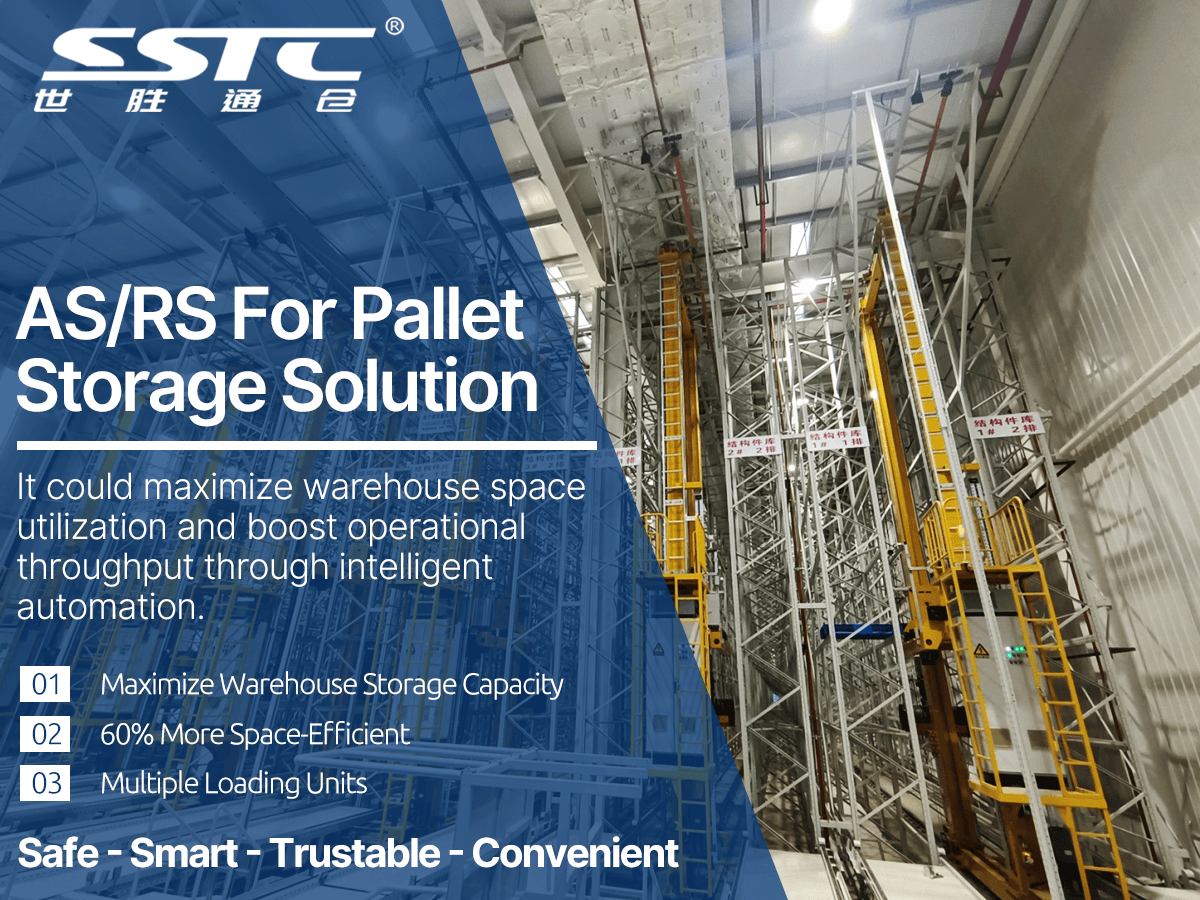
ในสภาพแวดล้อมที่มีเดิมพันสูงนี้, deploying an advanced AS/RS ในอุตสาหกรรมห่วงโซ่ความเย็น facilities has transitioned from a competitive advantage to an operational survival necessity. Unlike manual pallet handling or semi-automated configurations, a fully integrated, unit-load ระบบจัดเก็บและเรียกคืนอัตโนมัติ (เอเอส/อาร์เอส) centered on high-speed stacker cranes and high-bay structural racking provides the ultimate engineering framework for high-density, energy-efficient, and unmanned sub-zero warehousing. หน่วยสืบราชการลับ SSTC มอบการออกแบบทางวิศวกรรมแบบกำหนดเอง, end-to-end AS/RS solutions designed specifically to withstand the punishing thermodynamic realities of freezing and chilled environments.

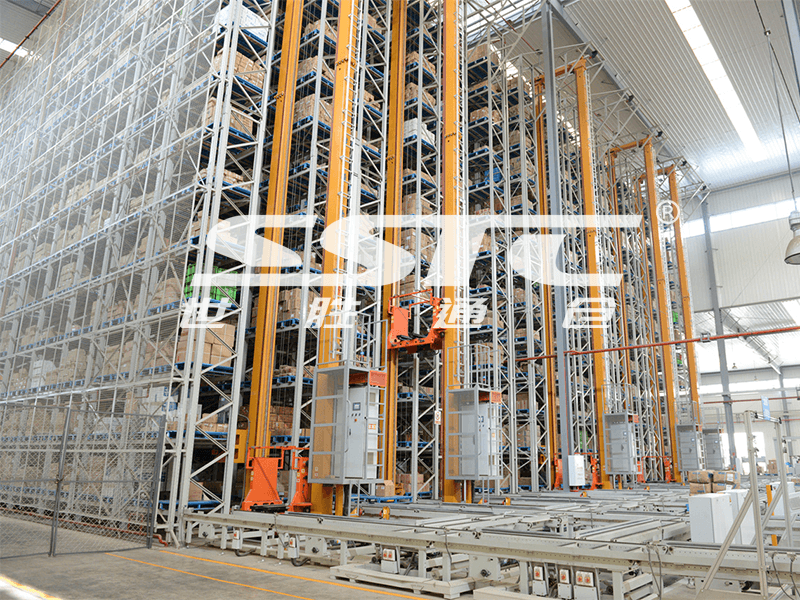
ระบบจัดเก็บและเรียกคืนอัตโนมัติ (เอเอส/อาร์เอส) เครนซ้อนที่ทำงานในคลังสินค้าไฮเบย์ของอุตสาหกรรมห่วงโซ่ความเย็นต่ำกว่าศูนย์ ออกแบบโดย SSTC Intelligence

1. The Critical Challenges of Conventional Cold Chain Warehousing

To appreciate the transformative impact of automated storage, one must first examine the deep structural inefficiencies that plague manual or low-bay refrigerated warehouses. Operating in sub-zero environments—typically ranging from -20°C to -30°C—introduces severe physical, การเงิน, และจุดเสียดสีทางลอจิสติกส์.

  • วิกฤตพลังงานอันน่าสะพรึงกลัวของการทำความเย็น

พลังงานเป็นส่วนสำคัญของห้องเย็น และมักจะแสดงถึงค่าใช้จ่ายในการดำเนินงานที่ใหญ่ที่สุดเพียงจุดเดียวในงบดุล. คลังสินค้าแช่เย็นใช้พลังงานไฟฟ้าในอัตราที่สูงกว่าอาคารพาณิชย์ทั่วไปทั่วไป. A significant portion of this thermal load enters through the building’s roof and exterior walls.

ในแบบธรรมดา, low-ceiling cold warehouse where forklifts dictate a maximum stacking height of 5 ถึง 6 เมตร, the facility must sprawl across a massive footprint to accommodate thousands of pallets. A larger roof footprint directly translates to exponentially higher heat gain, forcing refrigeration compressors to work continuously and devouring enormous quantities of electrical energy.

  • การขาดดุลแรงงานมนุษย์ในสภาพแวดล้อมที่เย็นจัด

การทำงานในตู้แช่แข็งที่มีอุณหภูมิต่ำกว่าศูนย์ถือเป็นการลงโทษทางร่างกาย. ผู้ปฏิบัติงานที่เป็นมนุษย์ซึ่งเดินตามทางเดินที่อุณหภูมิ -25°C จะมีอาการเหนื่อยล้าอย่างรุนแรง, ความเข้มข้นลดลง, และความเครียดทางกายภาพสูง. สภาพแวดล้อมการปฏิบัติงานที่ไม่เป็นมิตรนี้ส่งผลให้พนักงานขาดงานเรื้อรังโดยตรง, อัตราการลาออกของบุคลากรสูงเป็นพิเศษ, และเพิ่มความอ่อนไหวต่อการเลือกข้อผิดพลาด. นอกจากนี้, การเปิดประตูตู้แช่แข็งบ่อยครั้งเพื่อให้คนขับรถยกเข้าและออกแบบแมนนวลทำให้เกิดความร้อนขึ้นอย่างมาก, อากาศชื้นเข้าสู่ห้องเย็น, ส่งผลให้เกิดการสะสมตัวของน้ำค้างแข็งที่เป็นอันตราย, แผ่นน้ำแข็งบนพื้น, and thermal energy loss.

  • ความสมบูรณ์ของสินค้าคงคลังที่ถูกประนีประนอมและความล้มเหลว FIFO

สินค้าที่เน่าเสียง่ายและแช่แข็งจำเป็นต้องปฏิบัติตามคำสั่งเข้าก่อนอย่างเข้มงวด, ออกก่อน (FIFO) การหมุนเวียนสต็อกเพื่อป้องกันการเน่าเสียของผลิตภัณฑ์, การตัดจำหน่ายที่หมดอายุ, และการเรียกคืนห่วงโซ่อุปทาน. ในร้านเย็นแบบแมนนวล, คนงานที่ต้องแบกอุปกรณ์ระบายความร้อนจำนวนมากมักจะประสบปัญหาในการตรวจสอบหมายเลขแบทช์, ส่งผลให้พาเลทวางผิดที่, หุ้นที่ถูกฝัง, และโซ่เย็นหัก.

ตามงานวิจัยเด่นที่ตีพิมพ์โดย ข้อมูลเชิงลึกของห้องเย็น Automation.com, facilities that modernize their high-bay storage through automation achieve dramatic reductions in operational waste and energy consumption, effectively bridging the gap between escalating operating costs and profitability.

2. Seven Ways AS/RS Revolutionizes Cold Chain Logistics

Implementing an AS/RS in cold chain industry facilities completely redefines how perishable and frozen inventory is stored, ติดตาม, และดึงกลับมา. By combining precision high-bay steel structures, รถเครนแบบอัตโนมัติ, และการควบคุมซอฟต์แวร์แบบรวม, ระบบอัตโนมัตินำเสนอความก้าวหน้าในการปฏิบัติงานหลักเจ็ดประการ:

2.1. Massive Footprint Reduction and Energy Optimization

By utilizing vertical space and scaling high-bay racking up to 25 เมตรหรือสูงกว่านั้น, an AS/RS allows cold storage operators to store the exact same volume of palletized goods within a fraction of the building footprint. Shrinking the physical building footprint—and consequently the roof surface area—drastically reduces thermal heat gain. ประสิทธิภาพทางเรขาคณิตนี้ช่วยให้ระบบทำความเย็นสามารถทำงานได้โดยมีภาระไฟฟ้าลดลงอย่างมาก, ลดการใช้พลังงานโดยรวมของโรงงานได้สูงสุดถึง 60% compared to sprawling manual warehouses.

2.2. Complete Elimination of Human Presence in Sub-Zero Zones

An AS/RS removes human operators entirely from the freezing storage vault. Automated stacker cranes and high-speed conveyor lines handle the storage and retrieval of heavy pallets autonomously. พนักงานเปลี่ยนจากตู้แช่แข็งที่มีอุณหภูมิต่ำกว่าศูนย์ที่เป็นอันตรายไปสู่ความสะดวกสบาย, บทบาทการกำกับดูแลการควบคุมสภาพอากาศและการควบคุมคุณภาพ, ขจัดความเหนื่อยล้าที่เกิดจากความเย็นได้อย่างมีประสิทธิภาพ, การบาดเจ็บ, และการหมุนเวียนแรงงานสูง.

2.3. Sub-Millimeter High-Bay Density and Vertical Maximization

Conventional forklifts are structurally limited by mast heights and stability constraints, typically topping out at 6 ถึง 8 เมตร. ในทางตรงกันข้าม, heavy-duty AS/RS stacker cranes operate within narrow, high-density aisles stretching up to 30 สูงเมตร. สิ่งนี้จะปลดล็อกความหนาแน่นของการจัดเก็บข้อมูลตามปริมาตรสูงสุด, transforming wasted vertical air space into highly profitable storage capacity.

2.4. Flawless FIFO Rotation and Inventory Traceability

An AS/RS integrates deeply with advanced Warehouse Management Systems (WMS) และระบบควบคุมคลังสินค้า (สุขภัณฑ์). When temperature-sensitive food or pharmaceutical pallets enter the receiving dock, they are scanned, profiled, and assigned an optimal storage location. The software enforces strict FIFO protocols automatically, ensuring that older stock is retrieved first. This eliminates human picking errors and guarantees 100% ความถูกต้องของสินค้าคงคลัง.

2.5. Elimination of Door-Opening Thermal Surges

ในคลังสินค้าแบบแมนนวล, การจราจรของรถยกคงที่ต้องเปิดท่าเรือขนาดใหญ่และประตูตู้แช่แข็งไว้เป็นเวลานาน, ช่วยให้อากาศอุ่นโดยรอบพัดเข้ามาและทำให้เกิดความผันผวนของอุณหภูมิที่คุกคามความสมบูรณ์ของผลิตภัณฑ์ที่เน่าเสียง่าย. An AS/RS operates within a fully enclosed, ซองใส่สินค้าแบบช่องสูงขนาดกะทัดรัดที่การถ่ายโอนแบบอัตโนมัติเกิดขึ้นอย่างรวดเร็วผ่านขนาดเล็ก, อินเทอร์เฟซชัตเตอร์แบบปิดผนึก, รักษาอุณหภูมิภายในให้คงที่ต่ำกว่าศูนย์.

2.6. Zero Rack Collisions and Product Damage

Forklift-induced impacts against storage racks and pallets are a leading cause of inventory loss and structural damage in manual cold storage facilities. AS/RS stacker cranes travel on precision-guided floor rails and overhead guides under computerized control, eliminating accidental collisions, dropped loads, and damaged packaging.

2.7. Scalability and Future-Proofing

As cold chain enterprises expand, scaling a manual warehouse requires acquiring adjacent land and constructing additional buildings. An AS/RS allows facilities to maximize existing vertical real estate, providing a highly scalable infrastructure that adapts effortlessly to fluctuating seasonal inventory demands without physical footprint expansion.


3. Engineering Precision: Designing AS/RS for Extreme Sub-Zero Environments

Deploying mechanical machinery in continuous -30°C environments presents severe metallurgical and engineering challenges. เหล็กมาตรฐาน, น้ำมันหล่อลื่นทั่วไป, และอุปกรณ์อิเล็กทรอนิกส์เชิงพาณิชย์ล้มเหลวอย่างรวดเร็วภายใต้อุณหภูมิเยือกแข็งและการควบแน่นคงที่. หน่วยสืบราชการลับ SSTC engineers every component of its AS/RS to conquer these harsh conditions:

  • Low-Temperature Structural Steel: High-bay racking and stacker crane masts are fabricated from high-tensile structural steels engineered to maintain high impact toughness and structural ductility at sub-zero temperatures, ป้องกันการแตกหักเปราะภายใต้ภาระหนัก.

  • การหล่อลื่นแบบพิเศษ Sub-Zero: ตลับลูกปืนทั้งหมด, กระปุกเกียร์, และชุดขับเคลื่อนแบบกลไกนั้นเต็มไปด้วยสารสังเคราะห์, น้ำมันหล่อลื่นเกรดการบินที่อุณหภูมิต่ำที่ป้องกันการข้นหรือการแข็งตัว, มั่นใจได้อย่างราบรื่น, การทำงานของเครื่องจักรกลอย่างต่อเนื่อง.

  • Heated Electrical Enclosures: Onboard PLCs, อาร์เรย์เซ็นเซอร์, and drive motors are equipped with thermostatically controlled internal heating elements and condensation-resistant sealing to eliminate electrical shorts caused by moisture crystallization.

  • Laser-Guided Precision Positioning: Stacker cranes utilize advanced optical laser distance meters and absolute encoders to navigate high-bay aisles with sub-millimeter precision, รับประกันการจัดตำแหน่งที่ไร้ที่ติแม้ในระหว่างรอบการเร่งความเร็วและการชะลอตัวอย่างรวดเร็ว.

4. Economic ROI and Financial Justification

While an AS/RS requires a significant upfront capital investment, its financial payback period in cold chain applications is exceptionally rapid due to compounding operational savings:

  • Energy Savings: Slashing refrigeration electricity bills by up to two-thirds through footprint reduction delivers massive, recurring monthly OpEx savings.

  • การลดต้นทุนแรงงาน: Cutting reliance on large manual freezer-crew workforces reduces direct payroll expenses, worker compensation claims, and recruitment costs.

  • Elimination of Shrinkage: Preventing spoiled perishable stock and damaged packaging preserves gross profit margins.

  • Maximized Inventory Turnaround: Accelerating order fulfillment velocity increases total facility throughput capacity.

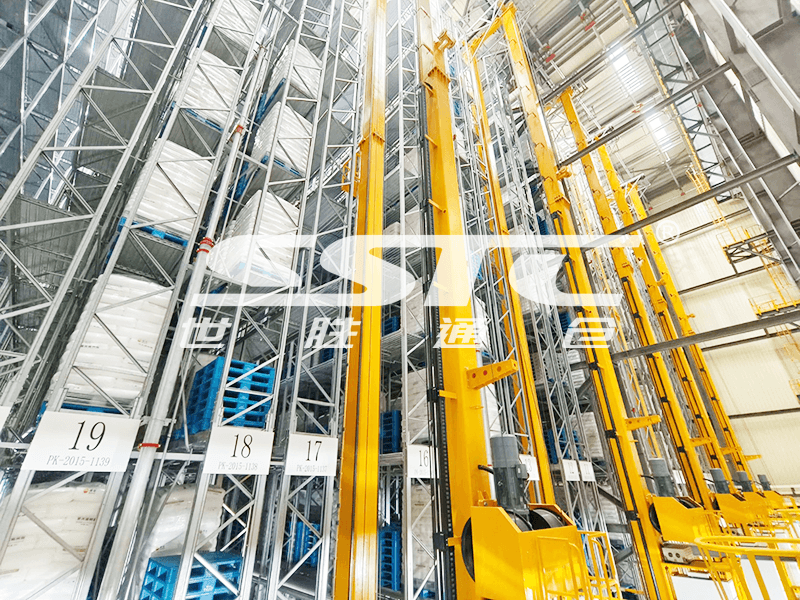
High-bay racking structure optimized for perishable pallet storage within a modern cold chain industry facility

5. Turnkey Integration Framework by SSTC Intelligence

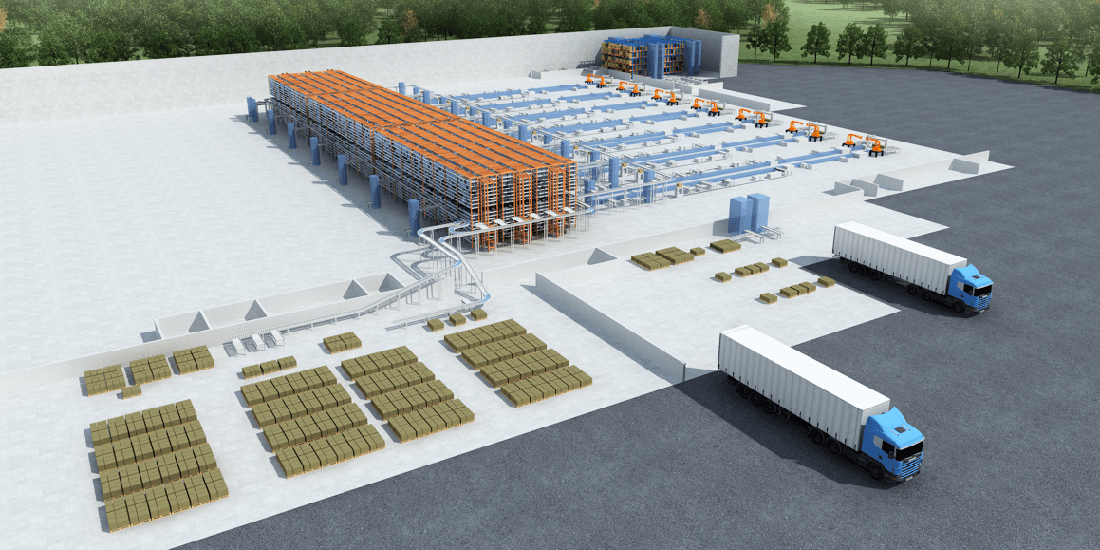
การนำระบบห้องเย็นอัตโนมัติไปใช้ให้ประสบความสำเร็จนั้นต้องอาศัยการประสานงานจากสหสาขาวิชาชีพที่พิถีพิถัน. หน่วยสืบราชการลับ SSTC จัดการวงจรชีวิตทั้งหมดในฐานะผู้รวมระบบแบบครบวงจรที่ให้บริการเต็มรูปแบบ:

  • การจำลองความร้อนและโครงสร้าง: ดำเนินการจำลองทางวิศวกรรมอย่างละเอียดเพื่อสร้างแบบจำลองโหลดในอาคาร, พลวัตการไหลของอากาศ, และบูรณาการฉนวน.

  • การผลิตแบบกำหนดเอง: Fabricating precision racking and robust stacker cranes within our 90,000 ตร.ม. ฐานการผลิตอัจฉริยะ.

  • การกำหนดค่าซอฟต์แวร์: การปรับแต่งโมดูล WMS/WCS ให้ซิงโครไนซ์กับระบบ ERP ขององค์กรได้อย่างราบรื่น.

  • การติดตั้งและการว่าจ้างนอกสถานที่: ดำเนินการทดสอบโหลดต่ำกว่าศูนย์อย่างเข้มงวดและการฝึกอบรมบุคลากรที่ครอบคลุม.

คำถามที่พบบ่อย (คำถามที่พบบ่อย)

เพื่อช่วยเหลือผู้ประกอบการห่วงโซ่ความเย็นและผู้อำนวยการด้านลอจิสติกส์, here are answers to common technical inquiries regarding an AS/RS in cold chain industry applications:

ไตรมาสที่ 1: How does an AS/RS handle condensation and frost accumulation in sub-zero freezers?

ก: SSTC Intelligence utilizes specialized corrosion-resistant coatings, sealed electrical enclosures with internal heaters, and engineered air-curtain management around transfer zones to mitigate condensation and prevent frost buildup on critical mechanical components.

ไตรมาสที่ 2: What is the maximum height and load capacity of an SSTC cold storage AS/RS?

ก: Our high-bay AS/RS solutions can be engineered to heights exceeding 30 เมตร, supporting unit-load stacker crane capacities ranging from 1,000 กิโลกรัมขึ้นไป 2,500 กิโลกรัมต่อตำแหน่งพาเลท.

ไตรมาสที่ 3: How does AS/RS reduce energy consumption in cold storage?

ก: By scaling high-bay vertical storage up to 30 เมตร, the building’s horizontal footprint is dramatically reduced. Since roof heat gain is the primary driver of refrigeration energy consumption, a smaller roof footprint significantly lowers compressor workloads and electricity bills.

ไตรมาสที่ 4: Can an AS/RS integrate with our existing enterprise ERP software?

ก: ใช่. Our Warehouse Control Systems (สุขภัณฑ์) feature robust API and middleware gateways that allow real-time data integration with standard ERP platforms such as SAP, ออราเคิล, และไมโครซอฟต์ไดนามิกส์.

บทสรุป: การรักษาอนาคตของโลจิสติกส์โซ่เย็น

เนื่องจากความต้องการของห่วงโซ่ความเย็นทั่วโลกมีเพิ่มมากขึ้น, อาศัยคู่มือ, การจัดเก็บพลังงานที่ไม่มีประสิทธิภาพนั้นไม่ยั่งยืนอีกต่อไป. Transitioning to an automated high-bay AS/RS empowers cold storage enterprises to slash electrical overhead, ปกป้องคนงานจากสภาพแวดล้อมการแช่แข็งที่เป็นอันตราย, และบรรลุผล 100% ความถูกต้องของสินค้าคงคลัง.

หน่วยสืบราชการลับ SSTC มอบระดับโลก, turnkey AS/RS solutions engineered specifically for the rigorous demands of the cold chain sector. To explore how our custom automation can transform your facility, เยี่ยมชมเว็บไซต์อย่างเป็นทางการของเราได้ที่ www.sstc-storage.com.

ข้อมูลการติดต่อ

พร้อมหารือเกี่ยวกับโครงการคลังสินค้าห้องเย็นของคุณ? ติดต่อผู้เชี่ยวชาญด้านวิศวกรรมของเราโดยตรง:

High-bay racking structure optimized for perishable pallet storage within a modern cold chain industry facility

ก่อนหน้า:

ต่อไป:

ฝากข้อความ