How do AS/RS systems reduce operating costs?
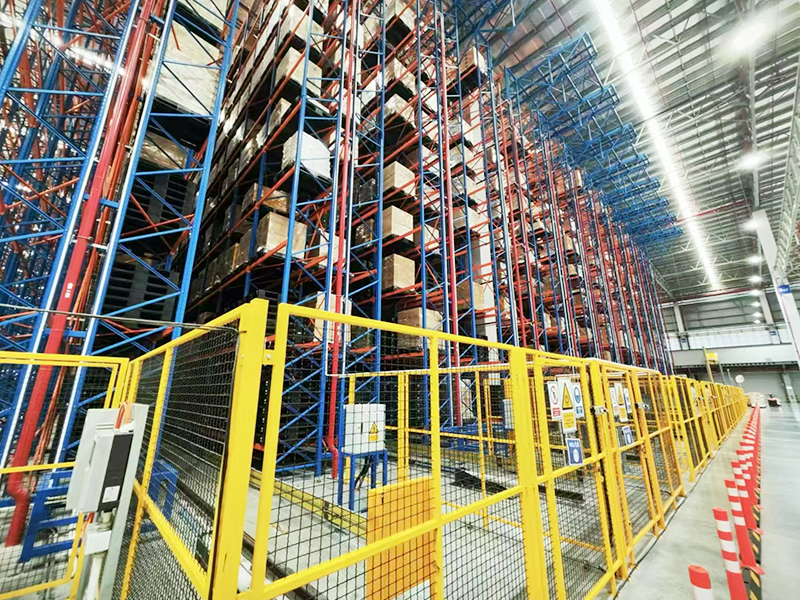
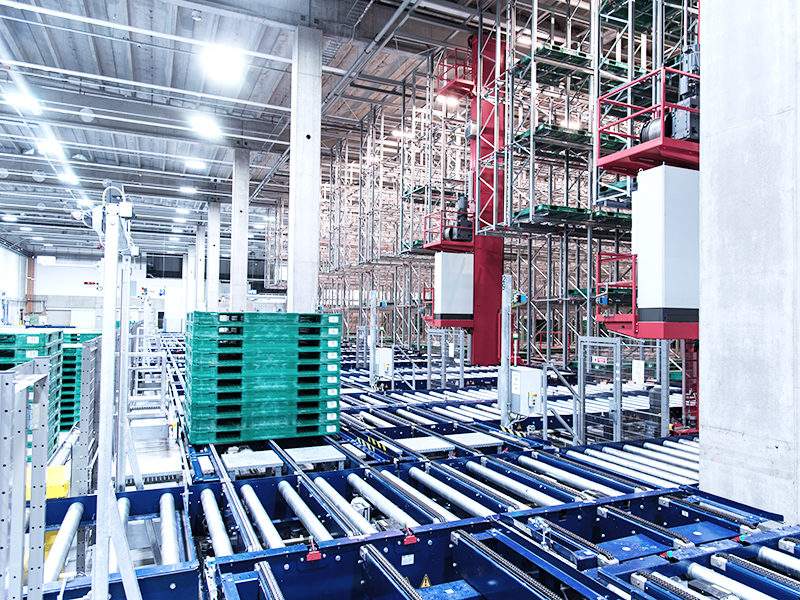
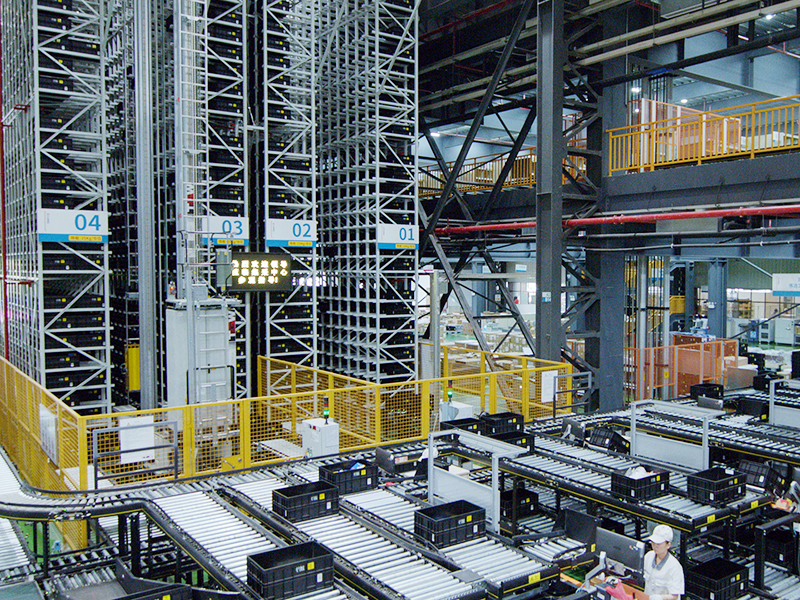
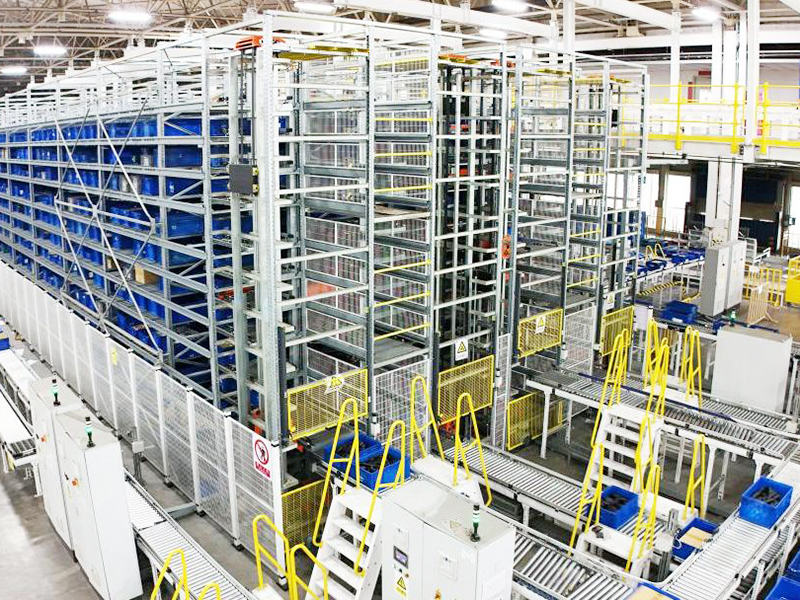
Designed correctly, an AS/RS lowers some costs—reducing labor, energy and real estate usage—while raising throughput. It does this by minimizing the footprint of your picking area, improving storage density and increasing speed and accuracy.
Can an AS/RS operate in temperature-controlled or freezer environments?
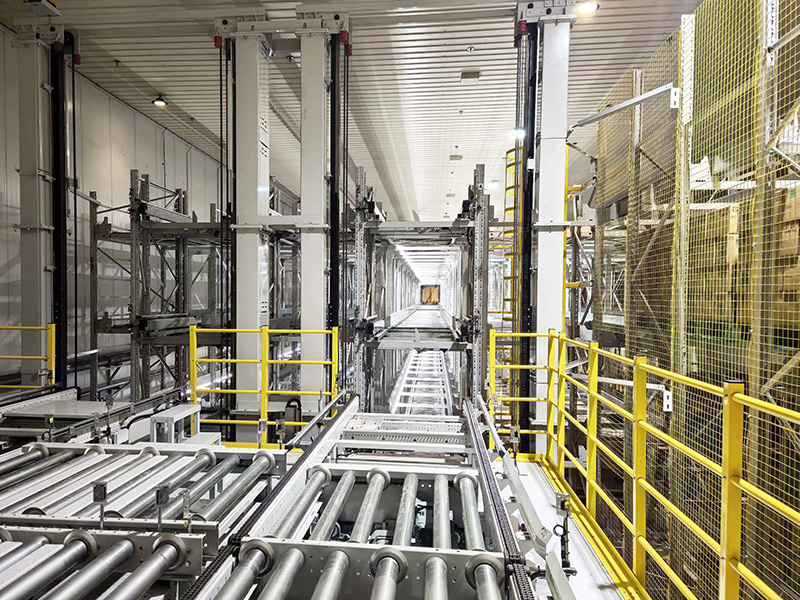
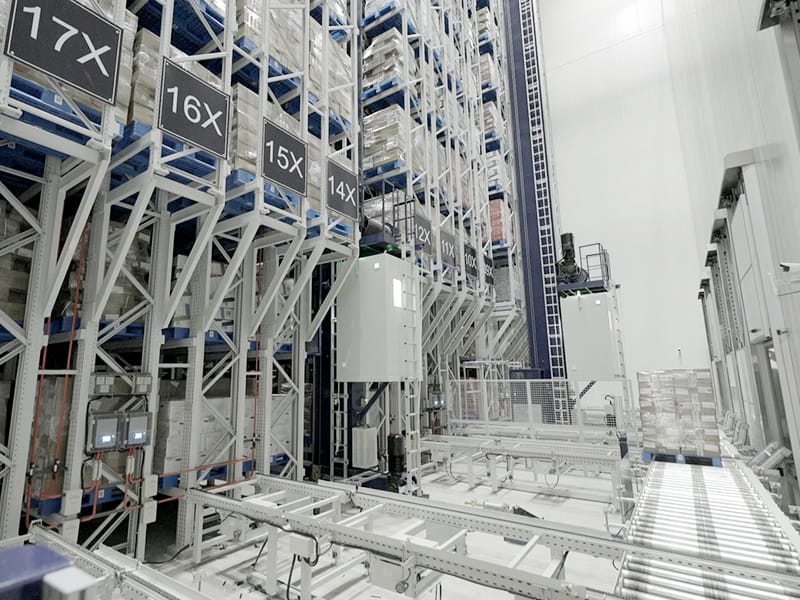
Absolutely. We’ll need to know the temperature of the storage area up front to make sure we specify the correct components, but an AS/RS can be a great fit in cold storage environments. Some of the systems we offer can operate in temperatures as low as -30°C.
What are the building requirements for an AS/RS, such as the necessary ceiling height and floor surface?
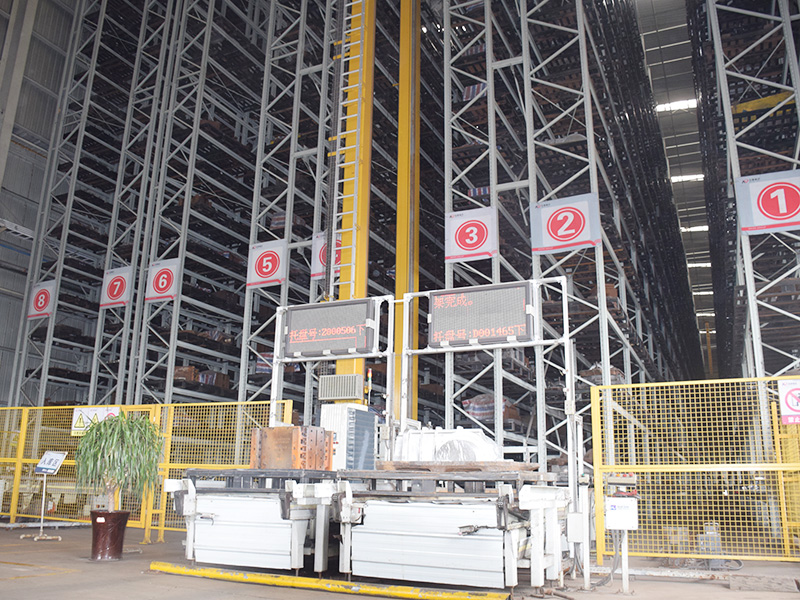
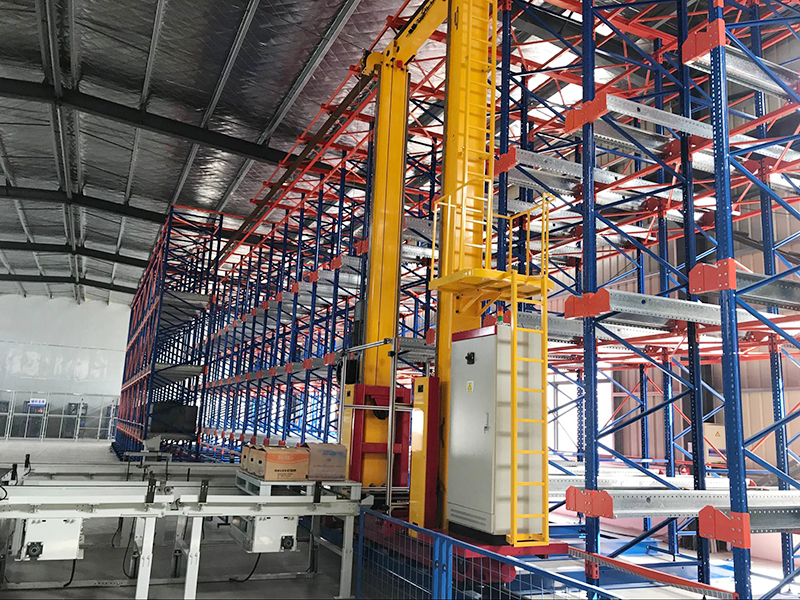
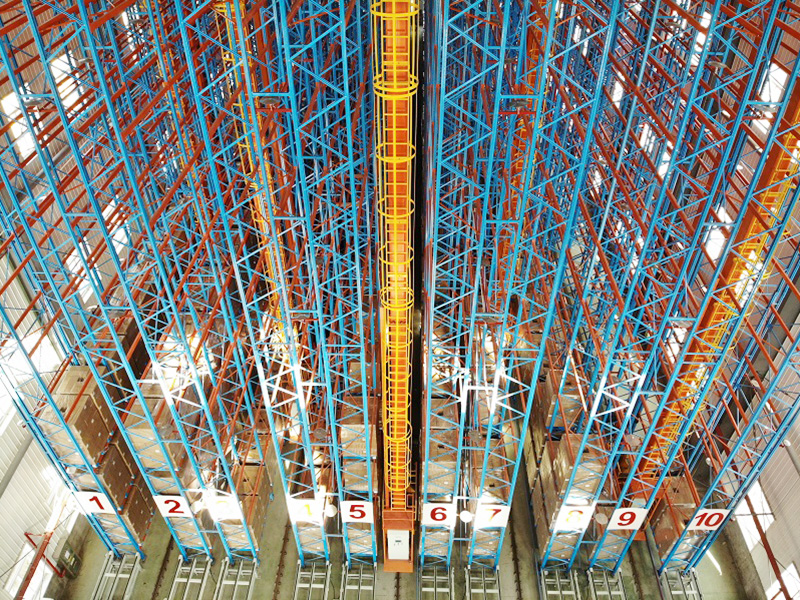
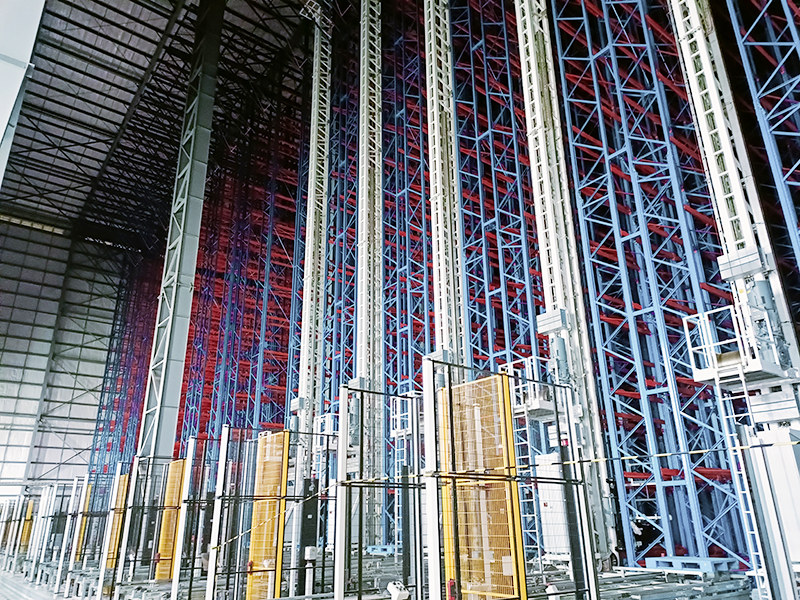
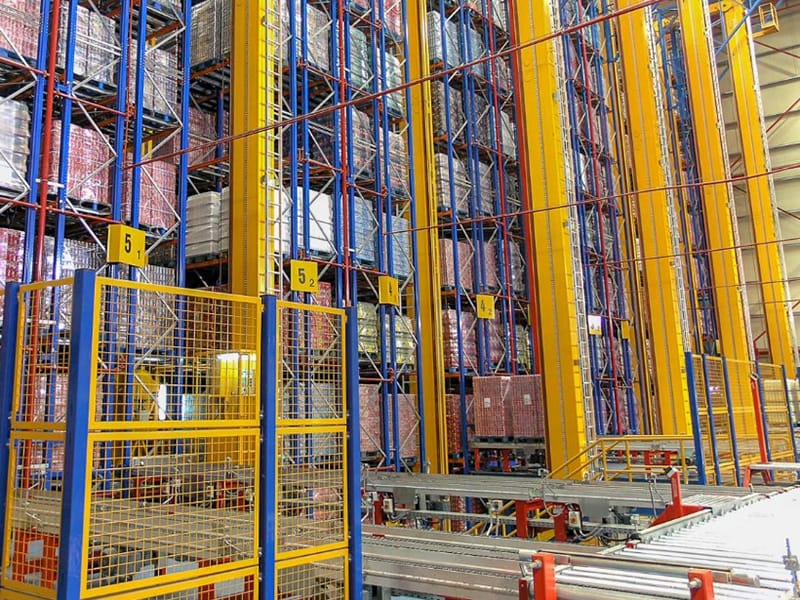
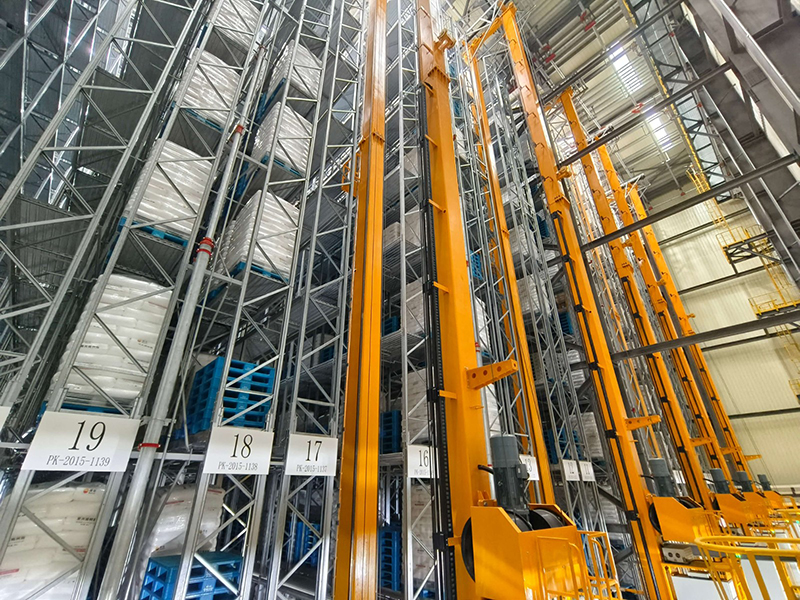
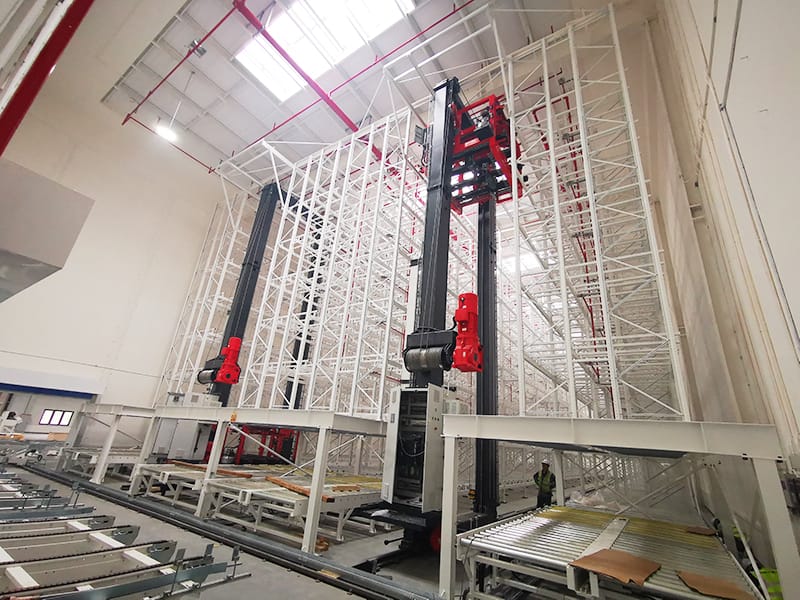
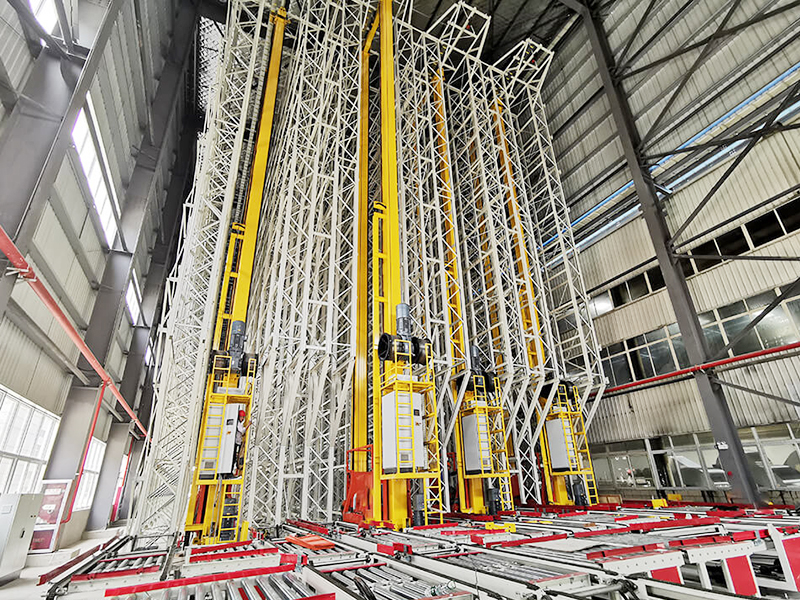
High clear heights provide more storage in a smaller footprint, which lets you achieve more product positions while clearing up precious real estate. That’s important for return on the investment. Echter, the ideal system dimensions and number of aisles will depend largely on what you need to store and what throughput you need to achieve in and out of the system.
How disruptive is the installation?
If the AS/RS is being installed in an actively used area of the warehouse, you will certainly see disruptions in normal day-to-day activity. We want to understand those disruptions and address them at the beginning of the process so we can minimize downtime for both software and equipment integration. Ideally, having an open work area usually allows for a quicker installation.
Can I use an AS/RS in a retrofit of an existing building?
Ja, many AS/RS models will work in existing warehouses. A good look at available floor space, clear height and column centers will help in optimizing the storage space.
Can these systems be scaled as our needs grow?
Ja! Many systems allow for adding on rows and aisles. Knowing that this is a future goal is always helpful as we start the design process of an AS/RS.
How flexible is the investment for phased rollouts?
We can deploy an AS/RS in incremental phases, reducing the upfront capital required and allowing you to achieve ROI step by step as you add capacity.
What applications are AS/RS systems best suited for?
They are ideal for:
- Unit picking in goods-to-person mode
- Palletizing buffer in goods-to-robot mode
- Mixed operations such as unit picking combined with palletizing buffer
- Retail preparation, restocking or full-case palletization
How long does it take to implement an AS/RS system?
Implementation timelines vary depending on project size, system complexity and integration requirements. In most cases, businesses should expect a timeframe of 12 naar 36 months from initial design to full go-live. Larger or highly customized systems may extend toward the longer end of that range, while smaller phased projects can often be completed faster.
What is the expected ROI timeline for an AS/RS system—how soon might it pay for itself?
ROI will vary depending on how much labor and space the system can save and how it can improve throughput and accuracy. Companies with high-volume operations often see payback within 2 naar 5 jaren. Echter, the real-world timeline will depend heavily on scope, size and operational goals. For a more accurate assessment, SSTC can provide a custom ROI analysis based on your facility’s requirements and business case.
How much does an AS/RS system cost?
Because these systems are so highly customized, pricing can vary widely. So many factors can affect the cost, including system size, load types, throughput requirements, integration needs and environmental conditions. Many companies phase these systems in, spreading out the investment to align their capacity with business growth. After evaluating your facility, operational goals and design requirements, SSTC can provide a customized cost estimate.

 AS/RS-reksysteem & Geautomatiseerde magazijnoplossingen | SSTC-inlichtingendienst