Part 1: The Thermodynamic and Economic Diagnostic of Modern Cold Storage
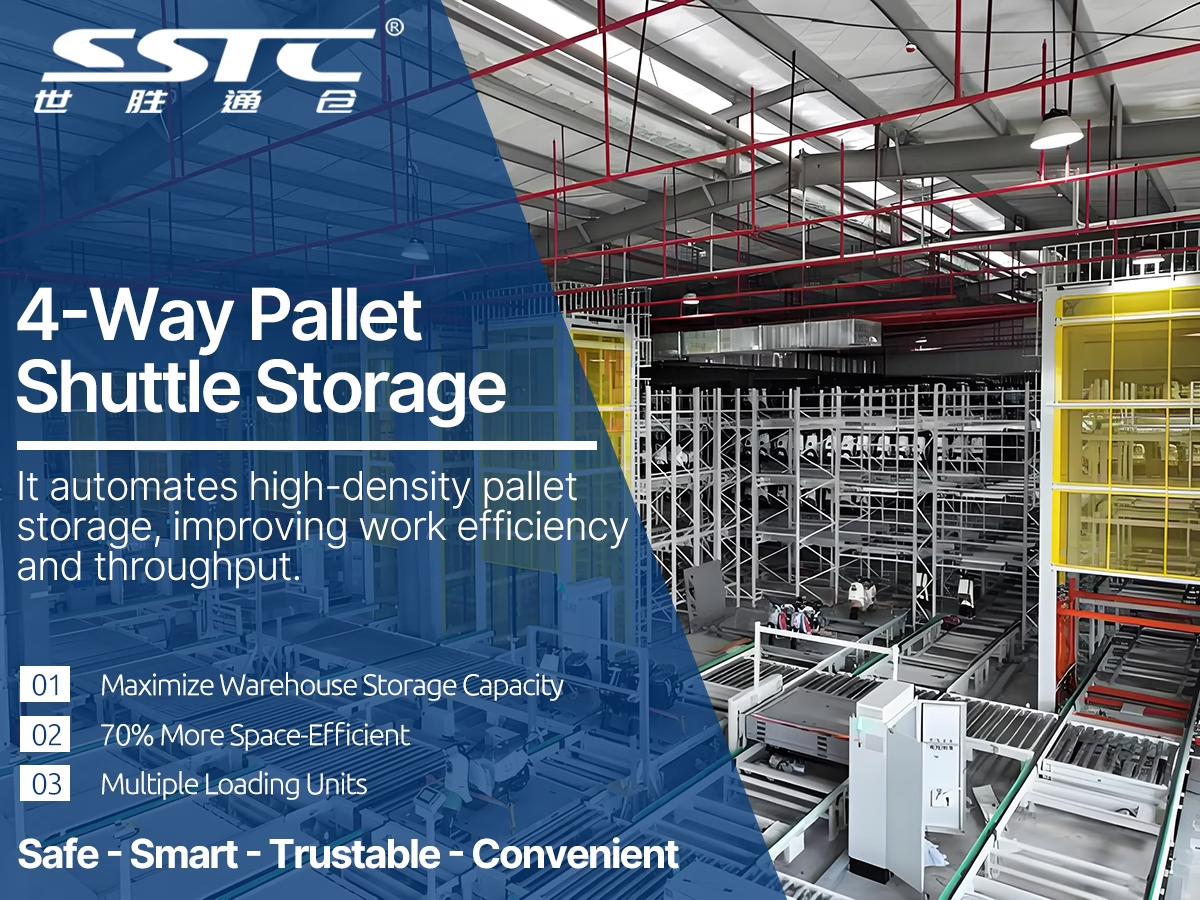
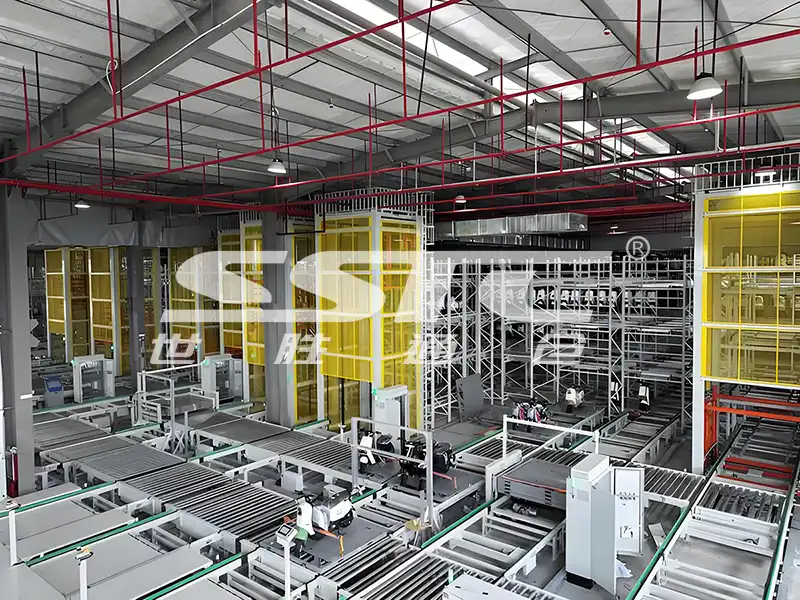
To understand why enterprise cold chain buyers are aggressively replacing legacy infrastructure with 4방향 팔레트 셔틀 보관소, one must first diagnose the severe inefficiencies plaguing conventional low-density refrigeration facilities.
1. The Cost of Empty Airspace in Sub-Zero Environments
Maintaining a commercial freezer at -25°C requires immense electrical power for compressor racks, evaporator fans, and thermal insulation barriers. In a traditional warehouse layout where wide forklift aisles account for 40% 에게 50% of the total floor plan, operators are essentially paying to refrigerate empty air. Furthermore, every time a forklift operator opens a freezer door or navigates a wide corridor, massive thermal exchange occurs, forcing refrigeration systems to work overtime and driving energy overhead to unsustainable levels.
2. Human Capital Constraints and Harsh Operating Conditions
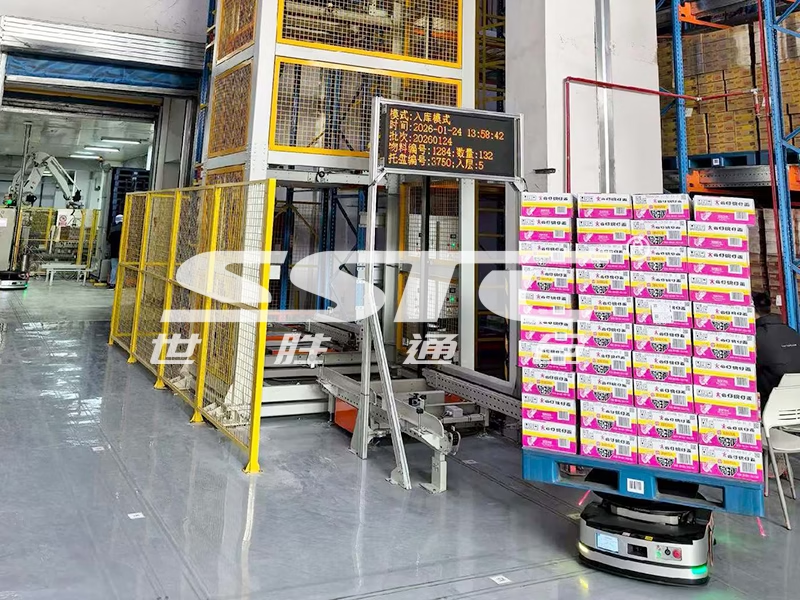
Working in a -25°C deep-freeze environment is physically punishing. High labor turnover, mandatory thermal rotation breaks, reduced manual dexterity caused by heavy protective gear, and the heightened risk of product damage or workplace accidents create persistent operational bottlenecks. Automated storage systems remove human personnel from the deep-freeze core entirely, ensuring uninterrupted 24/7 throughput without health hazards or safety liabilities.
3. The SSTC Intelligence Thermal Engineering Advantage
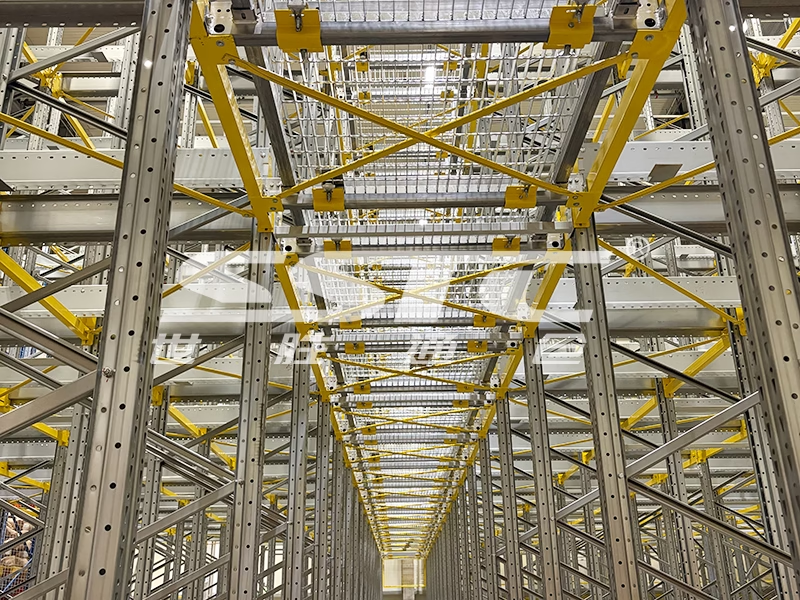
As an established direct manufacturer, SSTC Intelligence designs cold storage racking and robotic grids specifically tailored to withstand extreme thermal contraction and expansion forces. By eliminating aisles and consolidating inventory into dense blocks, our systems reduce the refrigerated cubic footprint by up to 60%, drastically cutting down energy consumption per pallet position.
To explore detailed engineering blueprints, 기술 사양, and project portfolios of our specialized sub-zero systems, 방문하다 SSTC 스토리지 그리고 우리 지역 포털 SSTC 중국.

 AS/RS & 자동화된 창고 솔루션 | SSTC 인텔리전스