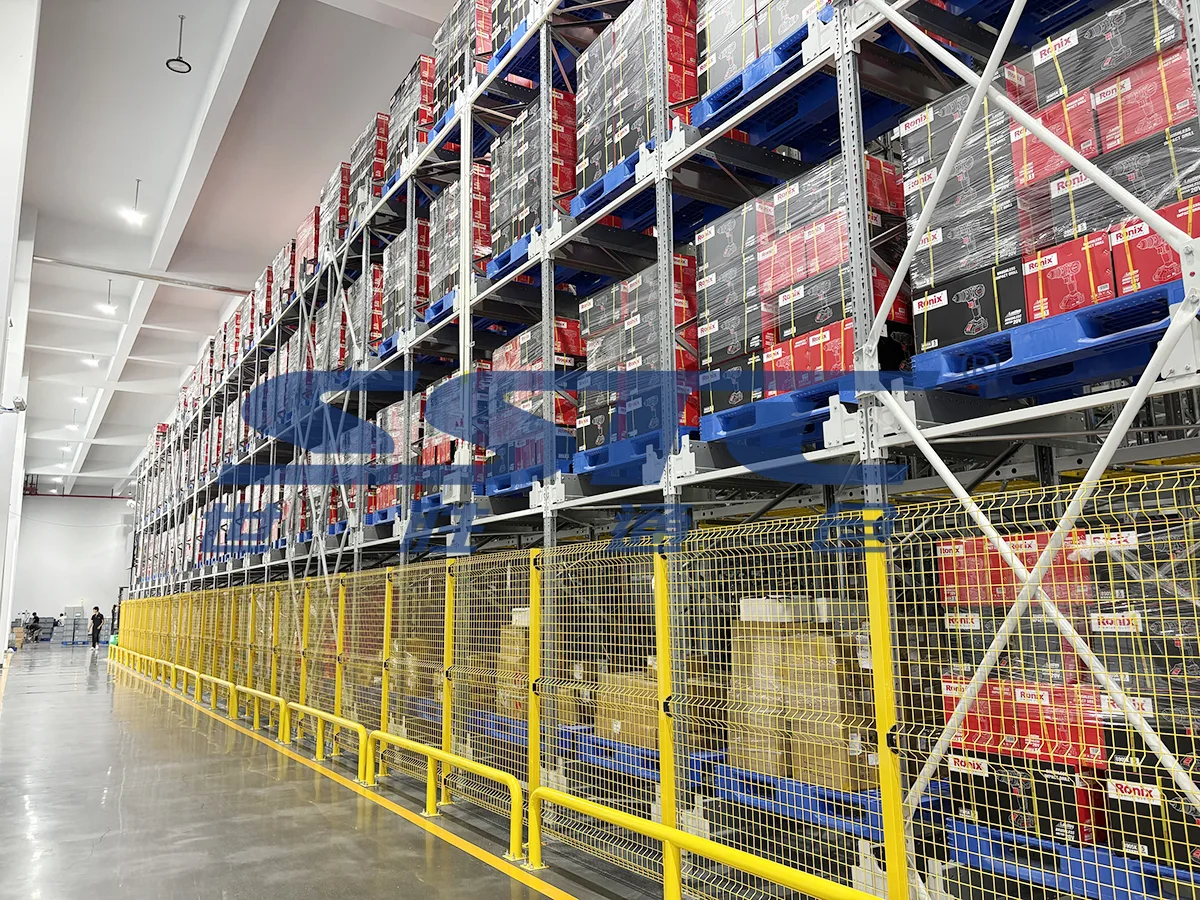
Einführung: Moving Beyond Industry Buzzwords in Warehouse Automation
Bewerten Vier-Wege-Paletten-Shuttle-Lagerung often leaves logistics leaders overwhelmed by abstract supplier promises. Terms like „extreme high density,“ „unmatched flexibility,“ and „smart automation“ sound convincing on sales brochures. Jedoch, these industry buzzwords fail to answer critical operational questions: How fast will the system deliver real ROI? Will equipment bottleneck during peak fulfillment hours? How can warehouse managers truly eliminate manual handling dependency?
Real-world warehouse operations face harsh challenges. In sub-zero cold chain logistics, running forklifts in -25°C freezing environments leads to rapid operator turnover, high wage costs, and excessive thermal energy loss, as detailed in our analysis on sub-zero cold chain optimization Und ASRS thermal density deployment. In der Zwischenzeit, high-volume manufacturing facilities struggle with rigid racking layouts that create single points of failure during demand spikes.
To bridge the gap between marketing hype and measurable business performance, SSTC Intelligence introduces the 7P Methodology. Built around core hardware and software integration—including Vier-Wege-Shuttle-System units and high-speed Vier-Wege-Shuttle-Mover vehicles—the 7P Framework evaluates storage value through 7 concrete operational metrics: Position, Paletten-Shuttle, Produkt, Menschen, Verfahren, Präzision, und Produktivität.
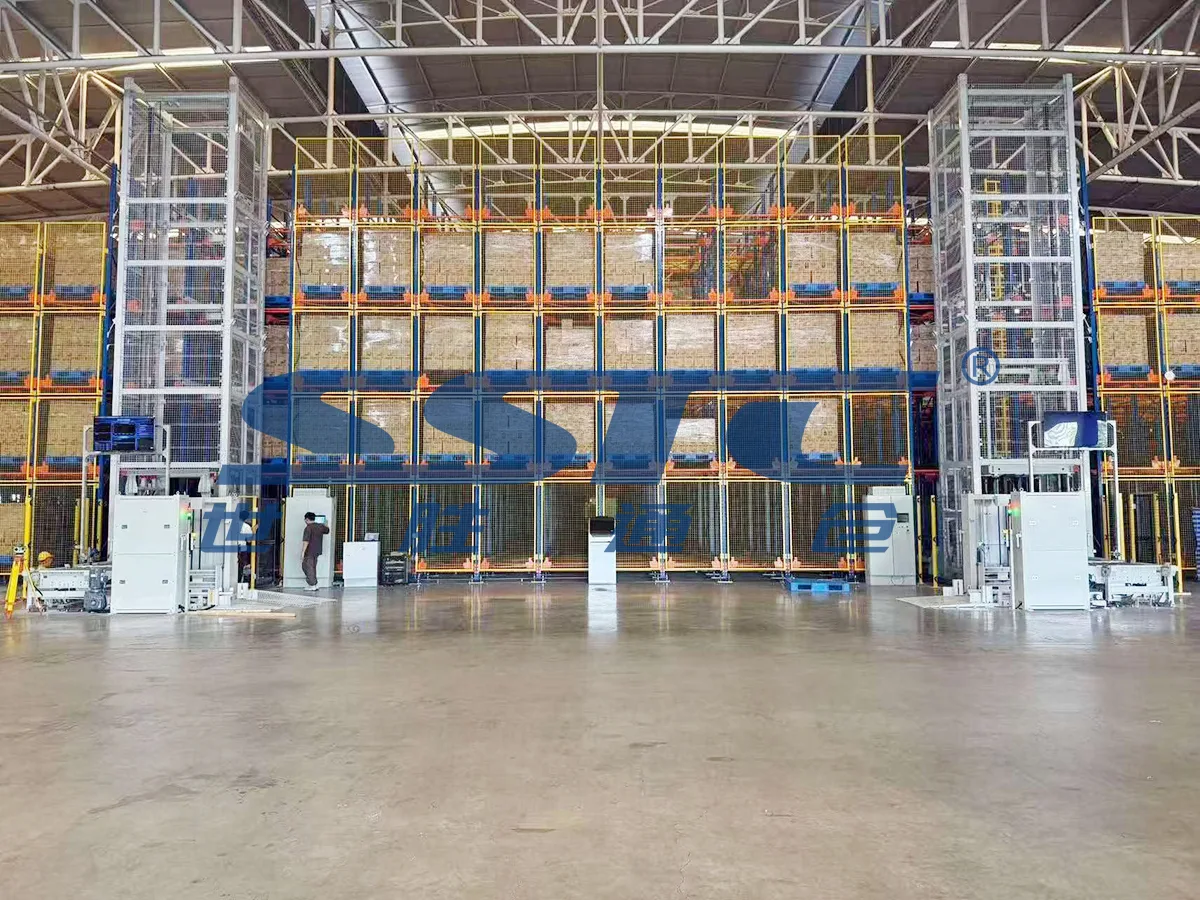
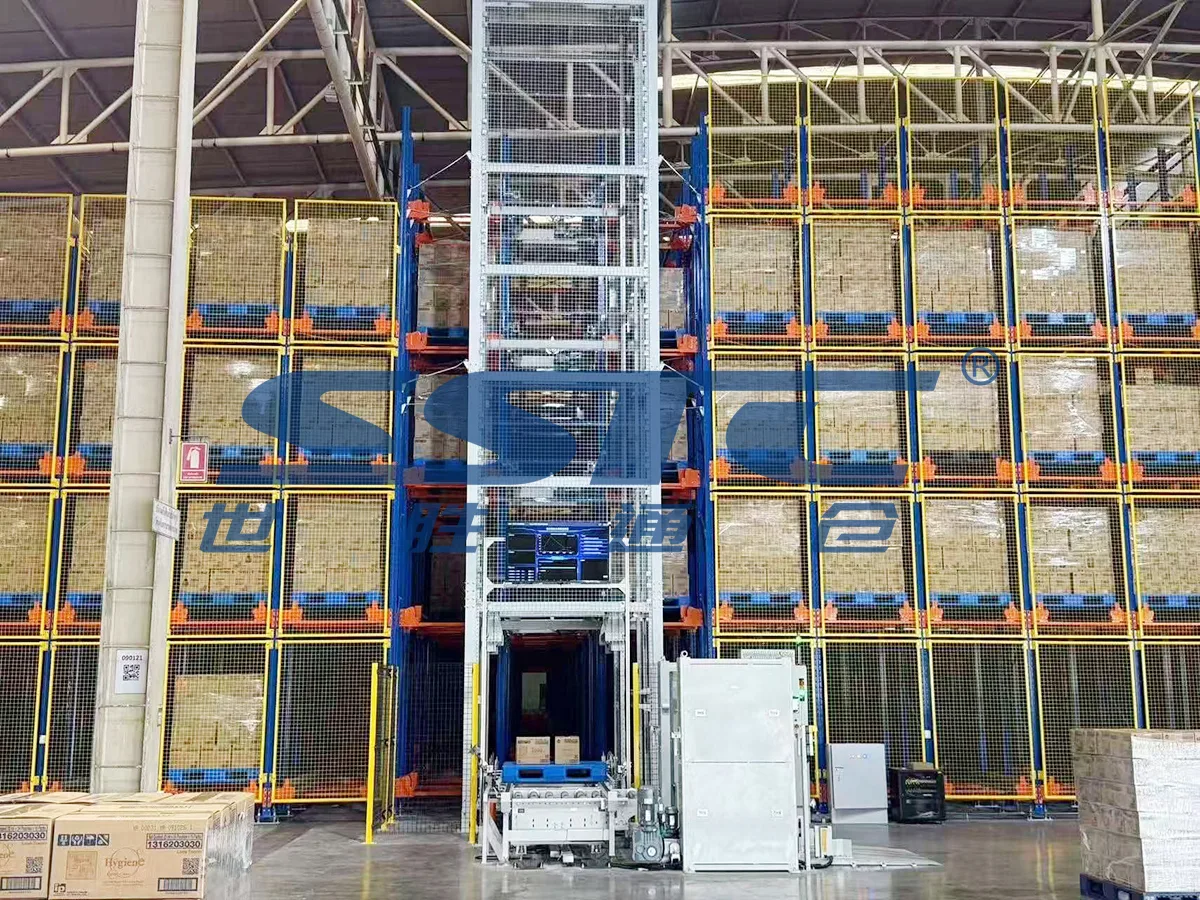
This pragmatic evaluation model has proven its value in demanding global projects. It powered a high-throughput Lebensmittelproduktionsanlage auf den Philippinen and scaled a massive -25°C cold chain operation in Qingdao to 100,000 Palettenpositionen. Aligned with our comprehensive Leitfaden zum ROI des schlüsselfertigen Lagers, this article breaks down how SSTC Intelligence 7P Methodology cuts through industry buzzwords to secure long-term investment value.
Global Pallet Storage Challenges: High Costs, Labor Shortages, and Operational Risks
Before selecting any automation technology, logistics operators around the world face severe structural hurdles in traditional pallet storage operations. Industry statistics highlight four critical bottlenecks:
Escalating Real Estate and Cold Chain Expenses: Industrial warehouse rents in major global hubs have surged, as reported in CBRE Global Logistics Real Estate Insights. Traditional selective racking wastes up to 50% of available floor space on wide forklift aisles. In Kühlhäusern, building costs run 2 Zu 3 times higher than standard warehouses, making unused vertical space a major financial drain.
Persistent Labor Shortages and Safety Risks: Maintaining reliable warehouse crews is increasingly difficult. Laut der MHI Annual Industry Report on Supply Chain Labor, global warehouse turnover rates range between 30% Und 45%. Außerdem, high-bay forklift driving poses constant injury risks, with OSHA Warehouse Safety Guidelines noting that a large portion of severe warehouse accidents involve forklift operations.
Vulnerability to Single Points of Failure: Traditional automated stacker crane ASRS designs rely on rigid, single-crane configurations per aisle. As highlighted by Modern Materials Handling Analysis, a single mechanical failure locks down thousands of pallet positions, causing unexpected downtime and delaying outbound shipments during peak seasons.
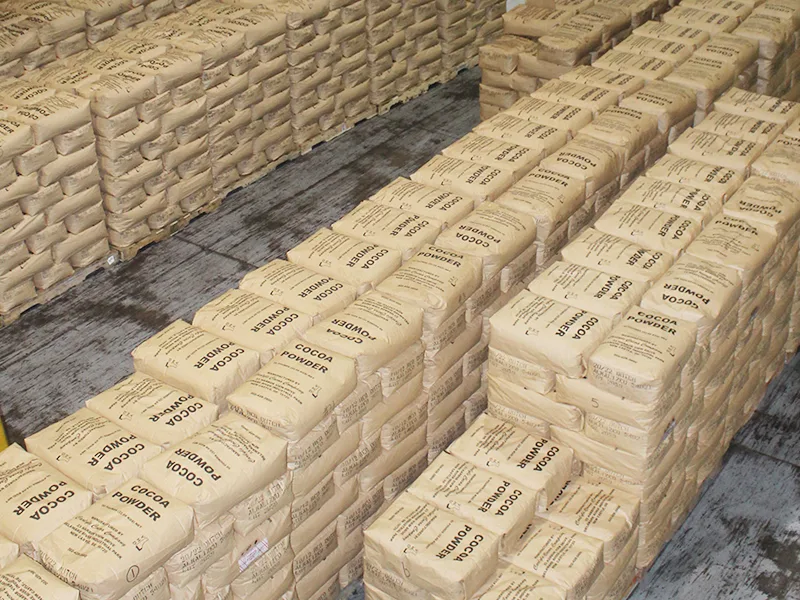
Inventory Inaccuracy and Spoilage: Manual pallet tracking frequently causes misplaced inventory and stock rotation errors. Industry benchmarks from the WERC Warehouse Metrics Report show manual warehouse accuracy hovering around 95% Zu 97%. This lack of real-time visibility prevents strict FIFO or FEFO enforcement, leading to product expiration and high damage rates.
To address these universal challenges systematically, logistics leaders need a concrete evaluation framework rather than marketing slogans—which is precisely why SSTC Intelligence developed the 7P Methodology to quantify true operational performance.
Deconstructing SSTC Intelligence 7P Methodology: Turning Buzzwords into Measurable ROI
Bewerten Vier-Wege-Paletten-Shuttle-Lagerung requires replacing vague supplier promises with precise operational metrics. SSTC Intelligence 7P Framework provides a structured audit model. It evaluates every critical aspect of warehouse performance—from physical space utilization to automated fleet dispatching.
1. Position: Extreme Spatial Utilization
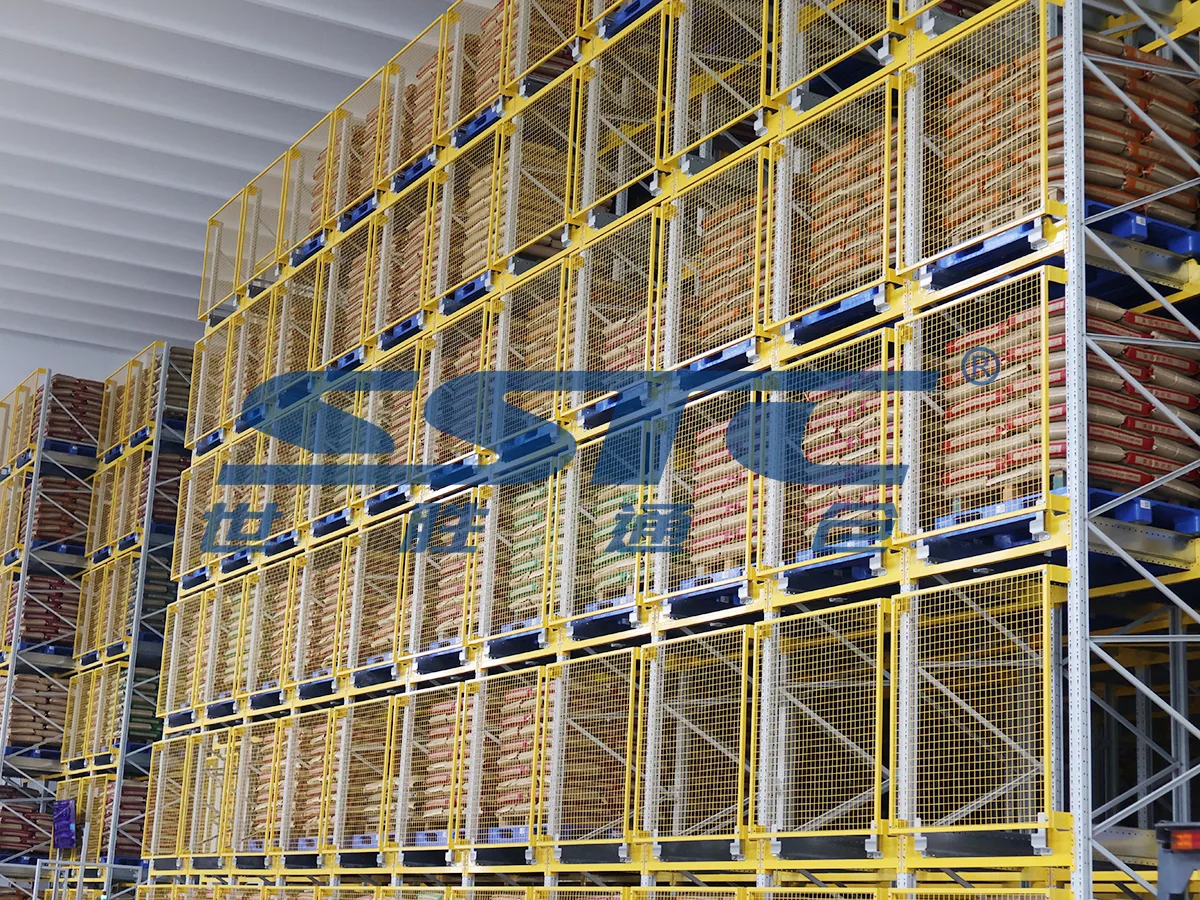
Traditional warehouse designs waste critical square footage on wide forklift operating aisles. Position evaluation focuses on eliminating unused vertical and horizontal spaces. By integrating continuous rail networks, storage density increases by up to 60% im Vergleich zu herkömmlichen Regalanordnungen.
2. Paletten-Shuttle: Fault-Tolerant Trajectory
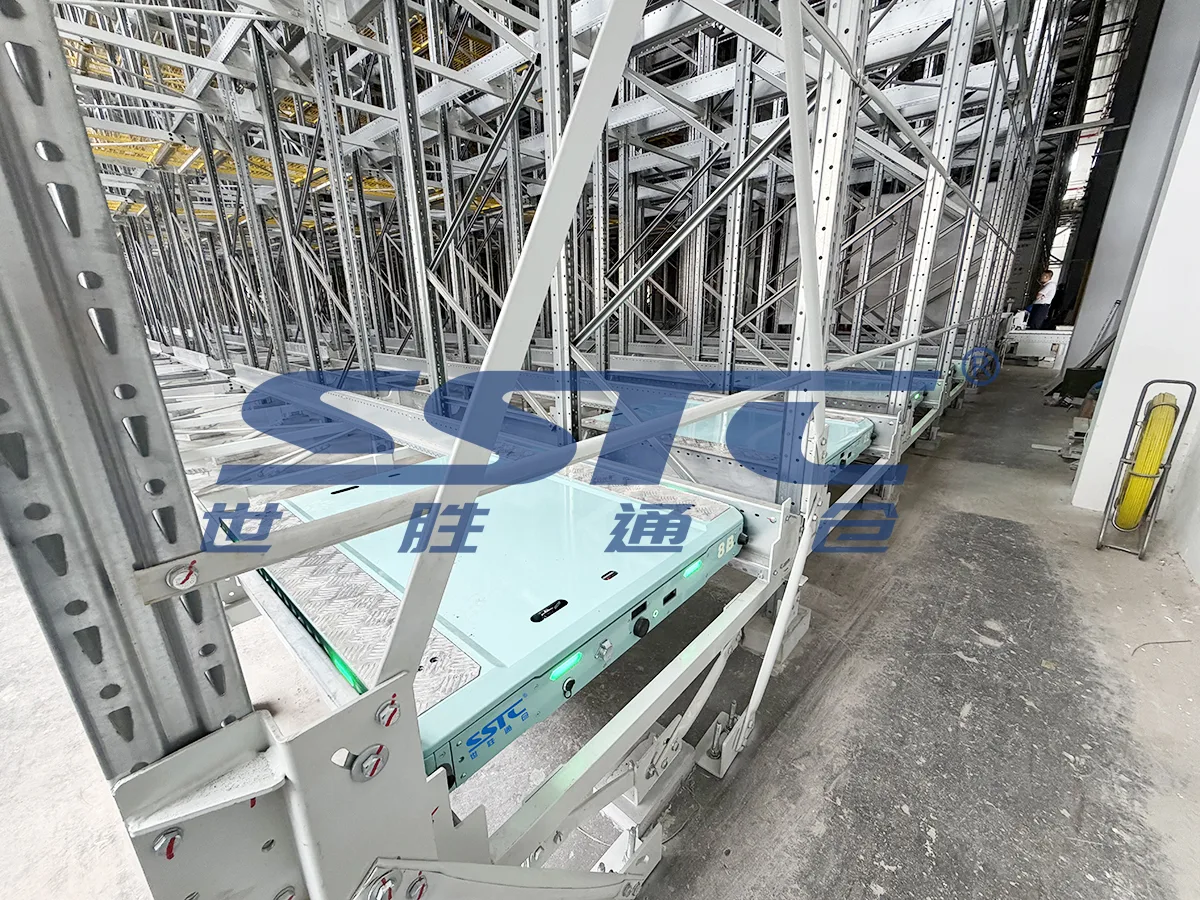
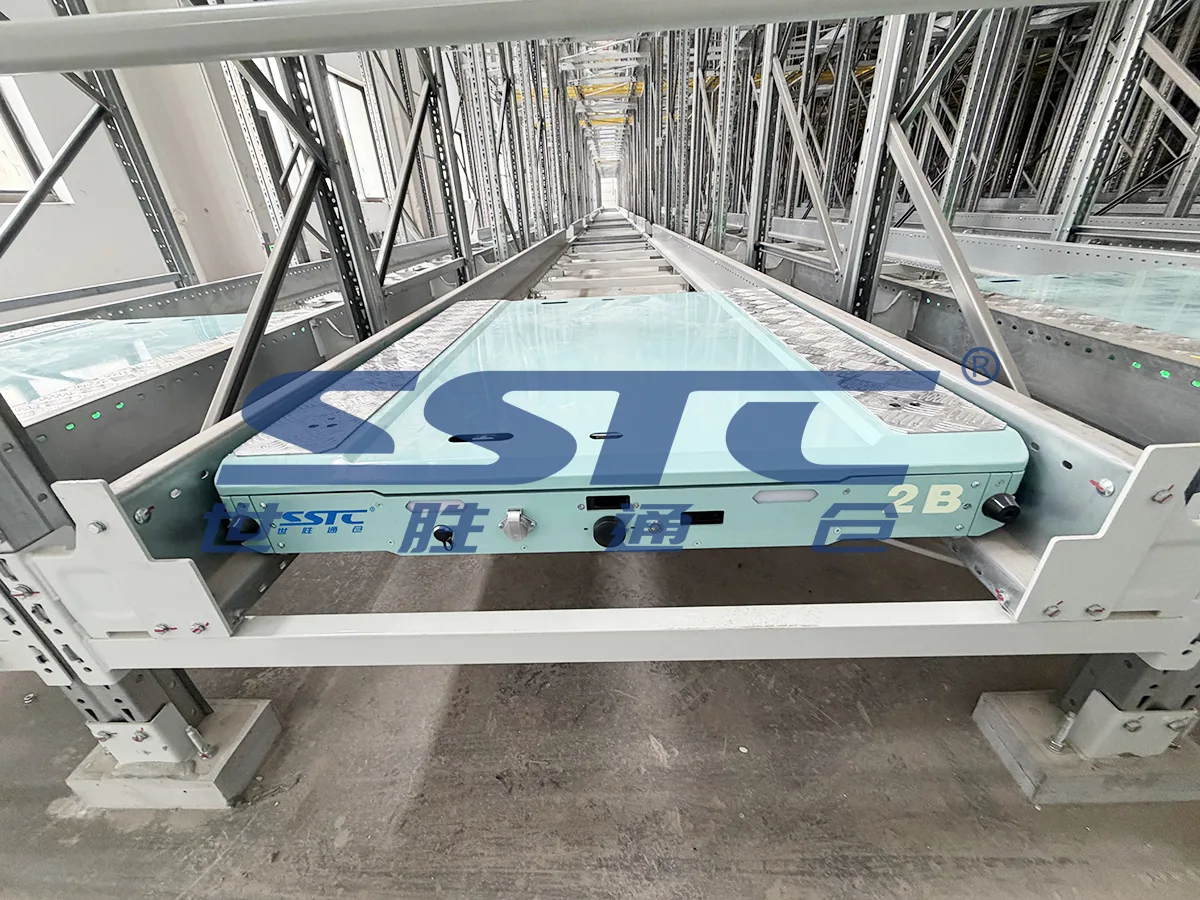
Rigid crane ASRS setups suffer from single points of failure. Bereitstellen Vier-Wege-Shuttle-System units alongside high-speed Vier-Wege-Shuttle-Mover vehicles allows autonomous vehicles to change tracks dynamically. If one shuttle undergoes maintenance, neighboring units immediately take over tasks to guarantee non-stop operations.
3. Produkt: Full Lifecycle & Cold Chain Integrity
Palletized goods require damage-free handling and absolute environmental stability. As demonstrated in our 100,000 pallet cold chain project in Qingdao, automated shuttles maintain smooth acceleration profiles in freezing -25°C environments, eliminating pallet tipping and packaging collapse.
4. Menschen: Arbeitsreduzierung & Essential Safety
Automating horizontal transport and high-bay storage replaces over 70% of manual forklift handling. Operators transition from cold rooms and hazardous high-rise aisles to comfortable control centers. This dramatic reduction in physical labor minimizes turnover and eliminates dangerous workplace accidents.
5. Verfahren: Software-Driven Workflow Control
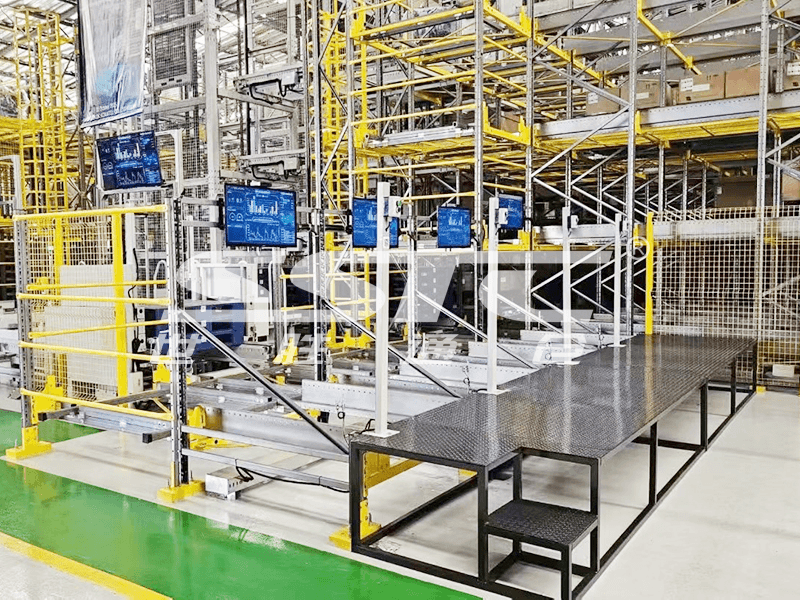
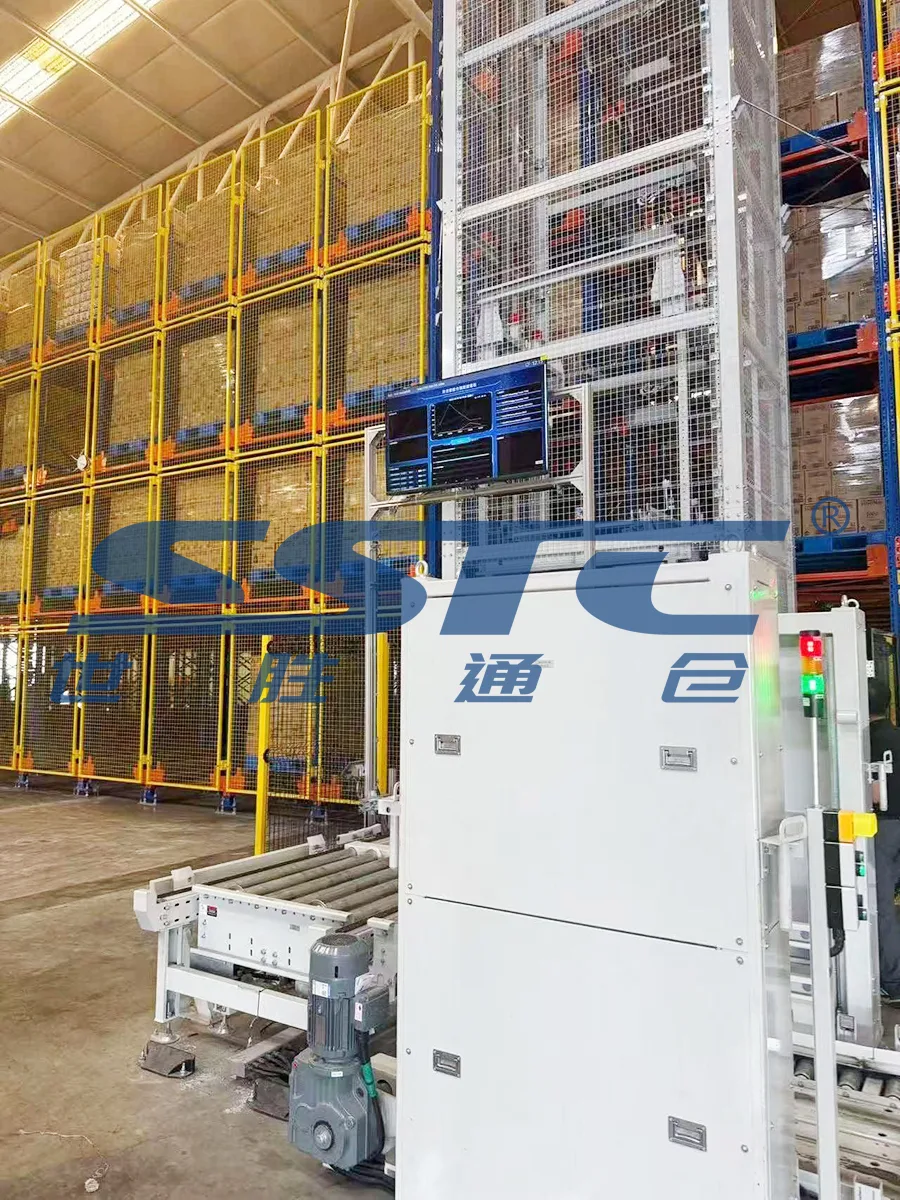
Smooth warehouse execution relies on intelligent software dispatching. SSTC Intelligence WCS seamlessly interfaces with enterprise WMS platforms to control pallet allocations, dynamic buffer routing, and automated fleet pathfinding, eliminating operational bottlenecks during surge hours.
6. Präzision: 99.99%+ Bestandsgenauigkeit
Manual inventory checks often result in misplaced stock and fulfillment errors. Laser positioning sensors and optical encoders on autonomous shuttles guarantee 99.99%+ inventory position accuracy, enabling flawless FIFO (First-In, First-Out) and FEFO (First-Expired, First-Out) Einhaltung.
7. Produktivität: Throughput Acceleration & Rapid Payback
Productivity combines all preceding metrics into total throughput per hour. As proven in our food manufacturing deployment in the Philippines, multi-shuttle fleet coordination significantly increases pallet inbound/outbound cycles, shortening typical project payback periods down to 2–3 years.
Comparing Pallet Shuttle vs Stacker Crane ROI for High-Density Cold Storage
When analyzing how to evaluate four-way shuttle ASRS ROI, enterprise logistics planners must weigh alternative high-density technologies. Understanding the financial breakdown between pallet shuttle vs stacker crane ROI reveals why modular automation delivers superior long-term financial flexibility and lower total operational risk.
Traditional Stacker Crane ASRS Limits
Stacker cranes require heavy steel superstructures and fixed aisle rails. If crane mechanism fails, entire rack storage vertical aisle locks down. Throughput rates remain tied to individual crane speed, preventing easy scalability during seasonal order spikes.
Flexible Four-Way Shuttle ASRS Scalability
Modular Four-Way Shuttle ASRS architecture allows independent scaling of shuttle fleets and vertical lifts. Warehouse operators can add vehicles seamlessly to boost throughput without modifying existing rack structures, dramatically accelerating overall automated warehouse ROI.
Optimizing High-Density Pallet Storage for Cold Storage Warehouse Operations
Bereitstellen high-density pallet storage for cold storage warehouse environments yields immediate energy and labor savings. Freezing facilities operating at -25°C lose significant cold air through spacious forklift aisles and frequent door openings.
Incorporating concrete four-way pallet shuttle storage evaluation metrics into facility design maximizes volumetric efficiency. Maximizing cubic utilization allows operators to fit up to 60% more Palettenlagerung mit hoher Dichte capacity inside same refrigerated footprint, cutting cooling energy consumption per pallet position by over 35%.
Field Deployment & Turnkey Execution: Proving the 7P Model in Real-World Projects
Engineering Rigor Meets Factory-Direct Turnkey Delivery
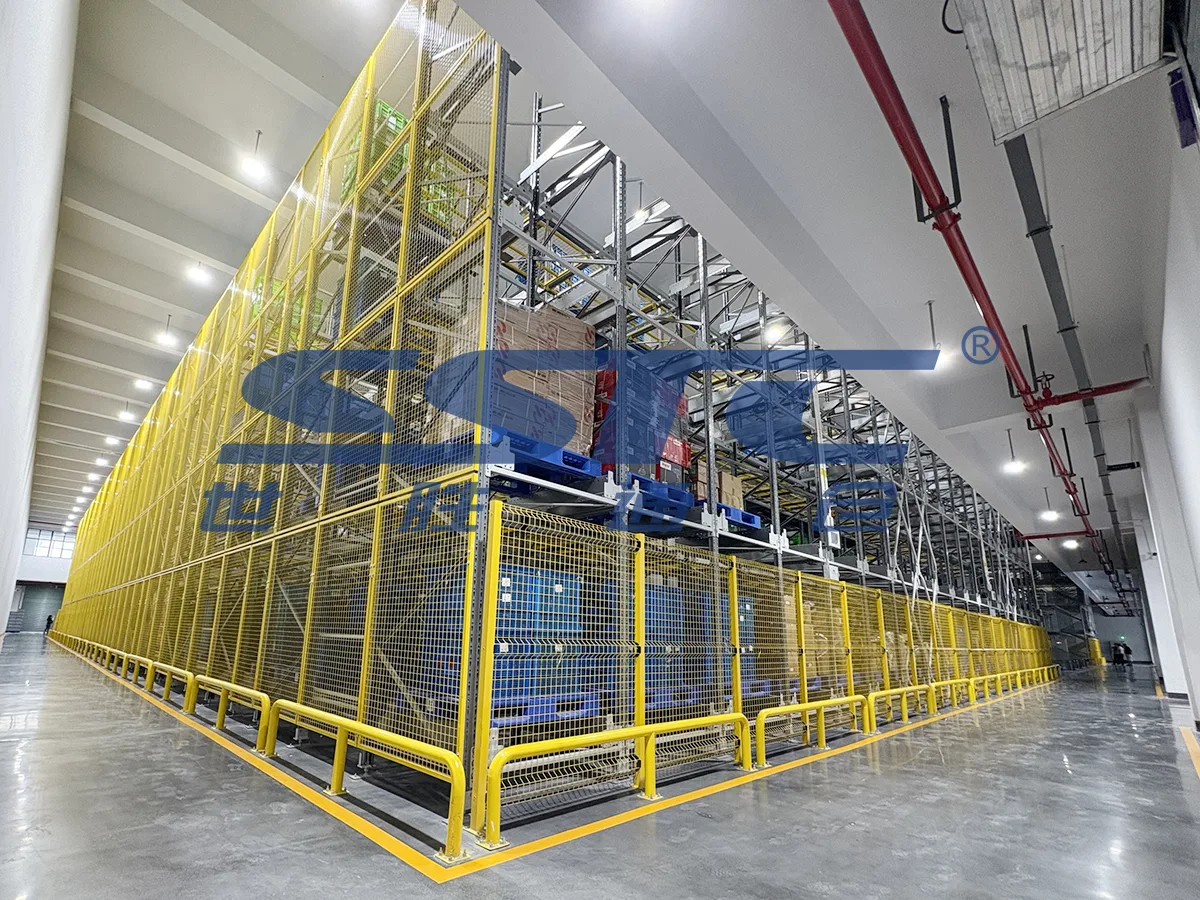
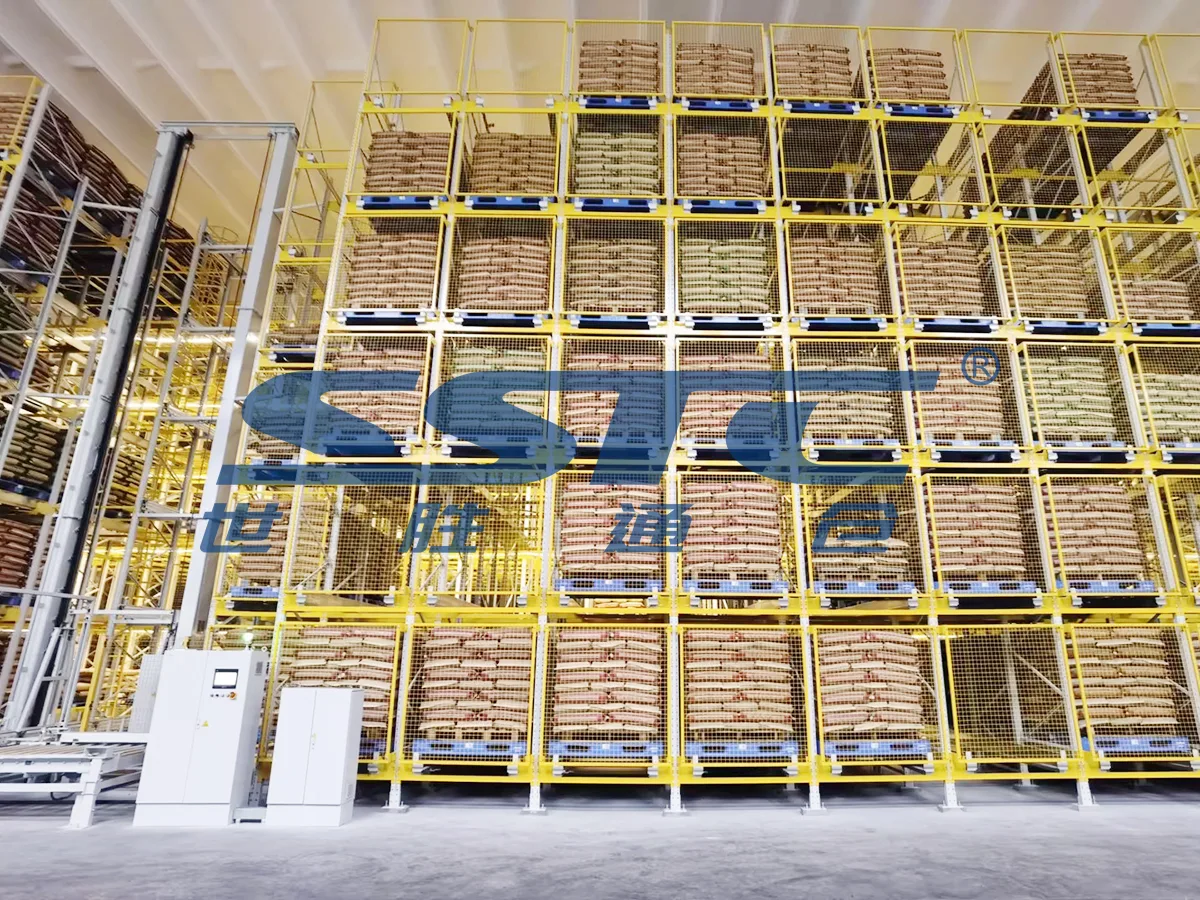
Theoretical ROI numbers mean little without flawless physical installation on active warehouse floors. Bereitstellen Vier-Wege-Paletten-Shuttle-Lagerung requires extreme structural accuracy. Rail gauge tolerances must stay within ±1.5 mm, while upright rack verticality requires strict alignment to prevent vehicle tracking error or sensor misreads at 15-meter heights.
Before equipment arrives on site, SSTC Intelligence engineers conduct complete 3D digital twin simulations to model acceleration profiles and peak pallet throughput bottlenecks. Pre-commissioning shuttle fleets and testing dynamic WCS routing algorithms during Factory Acceptance Testing (FAT) eliminates site delays, guaranteeing fast startup without disrupting ongoing warehouse operations.
During hardware integration, high-speed Vier-Wege-Shuttle-System units undergo continuous multi-shift endurance runs across heavy-duty steel rail networks, verifying smooth transfer cycles between main channels and secondary storage lanes.
"Turnkey delivery performance and racking structural precision were decisive factors for our cold chain expansion. SSTC Intelligence delivered reliable storage density while maintaining non-stop operational stability during our peak fulfillment period."
— Verified Project Case Study: Philippines Food Manufacturing Facility Deployment
Abschluss & Frequently Asked Questions on Four-Way Pallet Shuttle Storage ROI
Bewerten Vier-Wege-Paletten-Shuttle-Lagerung requires looking past marketing buzzwords and focusing on verified operational metrics. By deploying SSTC Intelligence 7P Methodology, enterprise logistics teams can accurately quantify density gains, labor reductions, and long-term financial returns. Aligned with our comprehensive Leitfaden zum ROI des schlüsselfertigen Lagers, factory-direct automation guarantees rapid payback and operational resilience.
Q1: How does SSTC Intelligence 7P Framework evaluate ROI beyond industry buzzwords?
A: SSTC Intelligence 7P Framework breaks down abstract supplier claims into 7 measurable operational metrics: Position, Paletten-Shuttle, Produkt, Menschen, Verfahren, Präzision, und Produktivität. By evaluating spatial utilization, shuttle trajectory reliability, inventory traceability, Arbeitsverringerung, WCS workflow integration, location accuracy, and total throughput, SSTC Intelligence helps buyers calculate precise payback timelines.
Q2: Why is Pallet Shuttle hardware trajectory and software coordination critical?
A: Rigid crane ASRS layouts suffer from single points of failure. In Four-Way Pallet Shuttle Storage, autonomous shuttles move across longitudinal and transverse rail networks while WCS software dynamically routes vehicle tasks. Wenn ein Shuttle gewartet werden muss, neighboring shuttles instantly take over, guaranteeing continuous warehouse operation and eliminating throughput bottlenecks.
Q3: How does Four-Way Pallet Shuttle Storage reduce labor and improve cold storage safety?
A: Operating forklifts in cold storage rooms (down to -25°C) leads to high operator turnover, elevated wage expenses, and safety risks. Four-Way Pallet Shuttle Storage automates horizontal transport and high-bay storage, replacing over 70% of manual handling tasks. Operators manage systems from comfortable control rooms, minimizing human error and thermal energy loss.
Q4: Can Four-Way Pallet Shuttle Storage integrate with existing WMS or ERP systems?
A: Ja. Four-Way Pallet Shuttle Storage connects seamlessly to enterprise WMS and ERP platforms using standard API protocols. SSTC Intelligence WCS software manages real-time shuttle fleet dispatching, dynamic buffer location assignment, and automated FIFO or FEFO stock rotation, sicherzustellen 99.99%+ Bestandsgenauigkeit.
Ready to Evaluate Your Warehouse ROI with SSTC Intelligence?
Submit facility layout designs, CAD drawings, or pallet throughput specifications today. Our engineering team will deliver a customized 7P evaluation report and turnkey automation proposal tailored to enterprise operational goals.
SSTC Intelligence-Technologie - 4-Hersteller von Way-Shuttle-Regalen und AS/RS-Systemen