 AS/RS Racking System & Automated Warehouse Solutions | SSTC Intelligence

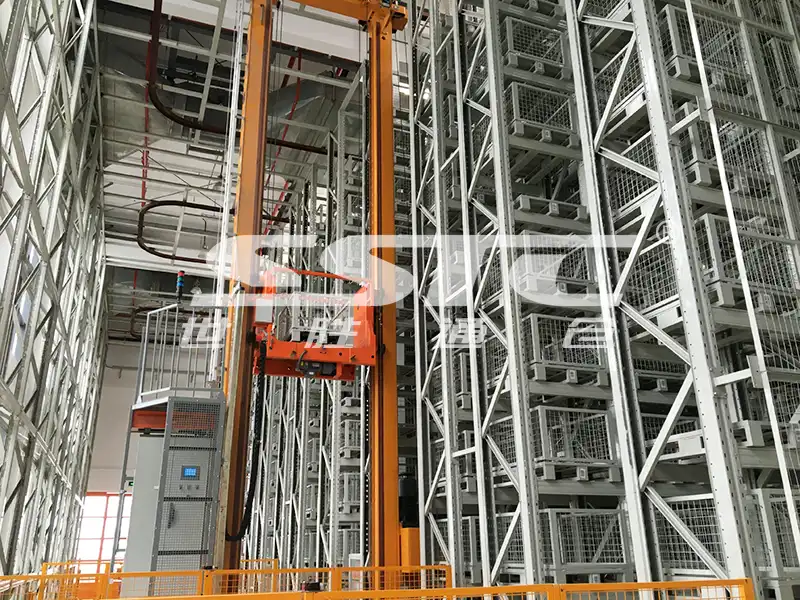
Stepping into a modern distribution center today feels entirely different than it did even a decade ago. The relentless pressure of same-day fulfillment, soaring commercial real estate lease rates, and a structural shortage of warehouse labor have permanently altered the logistics landscape. Across both domestic and international shipping hubs, supply chain directors are no longer debating whether to automate; they are racing to deploy high-density infrastructure that can extract maximum efficiency from every square meter of floor space. Amidst this technological shift, logistics professionals continually return to a foundational question: What is an AS/RS racking system? At its core, an Automated Storage and Retrieval System (AS/RS) is an engineered ecosystem combining high-bay structural steel framework, precision computer-controlled material handling equipment (such as stacker cranes or multi-directional robotic shuttles), and sophisticated warehouse management software. Far from being a simple metal storage rack, a contemporary AS/RS transforms passive vertical air into an intelligent, high-velocity inventory powerhouse. This comprehensive industry report examines how AS/RS technology is performing across 2026 global project applications, analyzes verified market data from leading research institutions, and outlines the five-year trajectory shaping the future of supply chain automation.
The Macro Pressures Driving Global Automation in 2026
To understand why AS/RS technology has become the gold standard in modern warehousing, one must examine the severe economic and operational headwinds facing third-party logistics (3PL) providers, manufacturing enterprises, and omnichannel retailers worldwide.
Real Estate Valuations and the High Cost of Footprint Expansion
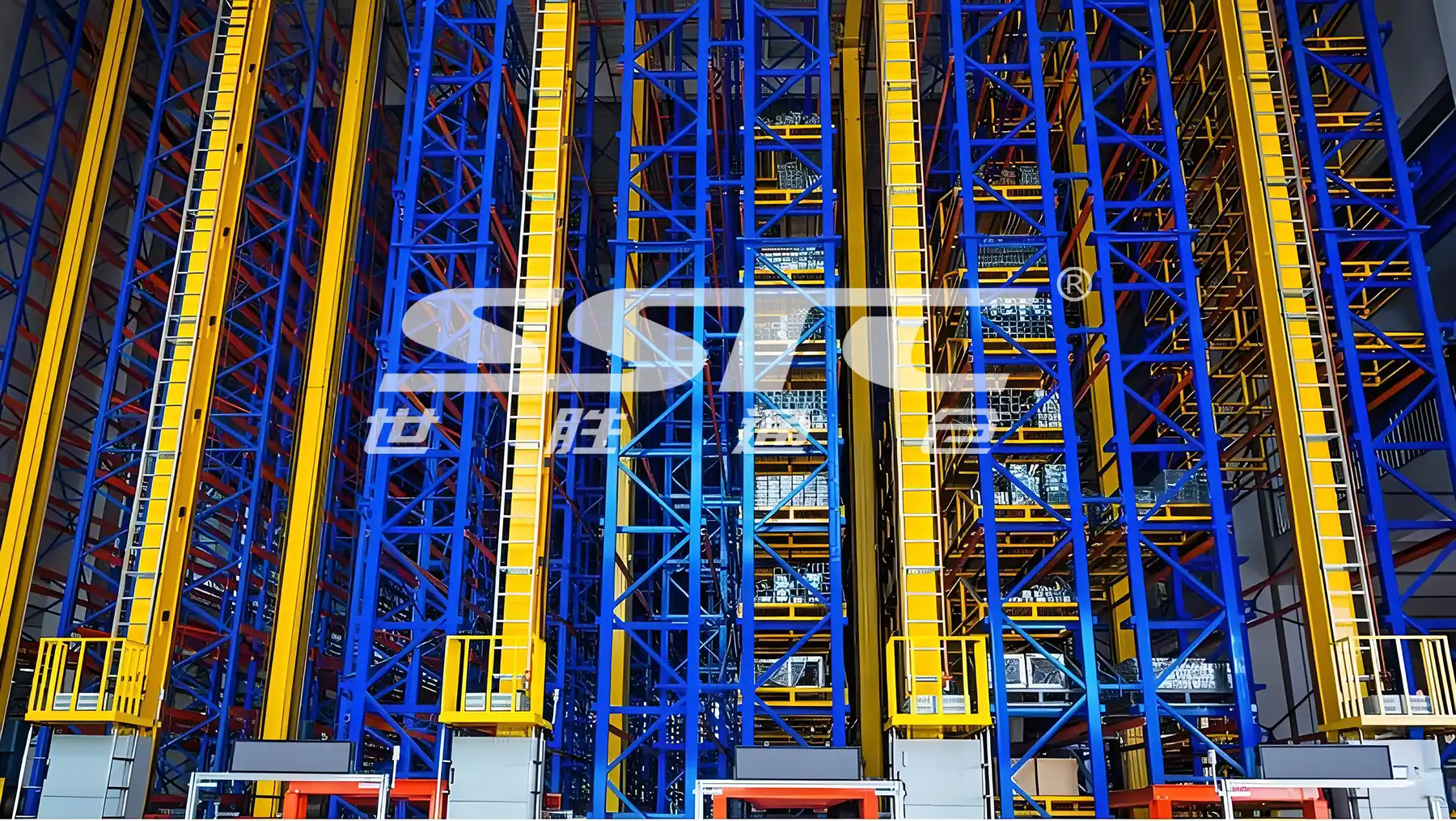
Industrial land scarcity in major metropolitan and logistics corridors has driven land and leasing costs to unprecedented highs. In traditional facilities relying on selective pallet racking and manual reach trucks, up to 60% of the internal building volume is wasted on wide maneuvering aisles and empty vertical air above ten meters. When businesses lease or construct distribution centers, paying for non-revenue-generating airspace is a silent profit killer. AS/RS installations solve this economic barrier by scaling vertical storage heights up to 30 meters or more, tripling usable storage density within the same physical building envelope.
The Persistent Labor Crisis and Safety Imperatives
Warehouse labor markets globally remain tight, characterized by high employee turnover, wage inflation, and strict safety regulations. Manual material handling at elevated heights exposes workers to ergonomic strain, fatigue, and potential collision hazards. Automated systems remove human operators from hazardous high-bay storage zones, ensuring continuous 24/7 operations that are immune to shift changes, fatigue, or recruitment deficits.
Deconstructing the Engineering Anatomy: What is an AS/RS racking system?
Answering What is an AS/RS racking system? requires looking past standard brochures into the rigorous mechanical and software architecture that makes sub-second automated retrieval possible.
High-Bay Structural Frameworks
Unlike conventional selective racks that top out when a human forklift driver can no longer see or reach safely, AS/RS structures are engineered like industrial skyscrapers. Vertical uprights, heavy-duty load-bearing beams, and diagonal seismic bracings are fabricated from high-tensile steel. Tolerances for plumbness and levelness are measured in fractions of a millimeter to ensure smooth, high-speed travel without structural binding.
Dynamic Handling Machinery
Stacker Cranes: Operating in dedicated narrow aisles, vertical mast cranes equipped with telescopic forks travel horizontally along floor rails while hoisting loads vertically to target storage tiers with absolute mathematical precision.
Shuttle Grids and Satellite Robots: In high-throughput configurations, multi-directional robotic shuttles glide beneath pallet loads, separating vertical lift operations from horizontal channel transport to achieve extreme transactional velocity.
For industrial engineering benchmarks and structural specifications regarding automated storage frameworks, professional resources hosted on platforms like SSTC Storage AS/RS Solutions provide extensive technical documentation.
2026 Domestic and International Project Applications
The deployment of automated storage and retrieval systems in 2026 spans diverse geographical regions and industry verticals, reflecting a mature, globally integrated technology stack. According to comprehensive market assessments by leading research institutions such as Fortune Business Insights AS/RS Market Report, the global automated storage and retrieval systems market is valued at USD 10.13 billion in 2026, up from USD 9.58 billion in 2025, expanding at a robust compound annual growth rate (CAGR).
Global Regional Distribution and Sector Highlights
North America: Capturing a dominant market share (approximately 39.2%), North American distribution hubs focus heavily on massive e-commerce fulfillment centers, grocery cold chains, and omnichannel retail networks where throughput speed and labor reduction are paramount.
Europe: Driven by strict environmental regulations, high land costs, and advanced manufacturing sectors, European projects emphasize energy-aware AS/RS operations, automated cold storage, and sustainable high-bay construction.
Asia-Pacific (APAC): Representing one of the fastest-growing regional markets, APAC installations—particularly in advanced manufacturing, automotive production, and automated warehousing clusters—prioritize ultra-dense high-bay racking and multi-shuttle integration to support rapid industrial expansion.
Verified Global AS/RS Market Metrics (2025–2026 Benchmark Data)
| Metric Category | 2025 Benchmark Value | 2026 Projected Value | Key Industry Drivers & Focus Areas | Authoritative Data Source |
| Global AS/RS Market Size | USD 9.58 Billion | USD 10.13 Billion | E-commerce acceleration, labor shortages, high-density space conservation | Fortune Business Insights |
| North America Market Revenue | USD 3.76 Billion | USD 3.99 Billion | Omnichannel retail expansion, advanced grocery fulfillment | Fortune Business Insights |
| Asia-Pacific Market Revenue | USD 2.07 Billion | USD 2.21 Billion | Industrial manufacturing growth, smart logistics parks | Fortune Business Insights |
| Europe Market Revenue | USD 3.06 Billion | USD 3.21 Billion | Energy-efficient cold chain automation, strict sustainability standards | Fortune Business Insights |
| Automotive Sector Share | 22.8% (Estimated) | 23.4% (Projected) | Heavy load handling, robotic assembly parts buffering | Fortune Business Insights |
The Next-Generation Technological Shift: AI, Computer Vision, and Digital Twins
In 2026, AS/RS installations are no longer static mechanical units; they are fully integrated digital ecosystems powered by artificial intelligence and advanced edge computing.
AI-Driven Slotting and Inventory Optimization
Traditional warehouse slotting relied on static historical averages. Modern AS/RS platforms utilize machine learning algorithms to analyze real-time purchasing patterns, seasonal demand fluctuations, and supply chain velocities. The Warehouse Management System (WMS) dynamically repositions fast-moving stock closer to vertical hoists during off-peak hours, dramatically reducing average retrieval cycle times.
Computer Vision and Edge Intelligence
Equipped with high-resolution 3D cameras and optical sensors, next-generation AS/RS machinery verifies pallet dimensions, inspects load stability, confirms empty slot availability, and detects packaging irregularities before initiating transport. This eliminates downstream jams and protects high-value inventory from handling damage.
For deep technical insights into future warehouse automation trends, research publications hosted on platforms like MarketsandMarkets ASRS Outlook provide extensive documentation on edge AI and digital twin integration.
Five-Year Industry Outlook: The Future of AS/RS (2026–2031)
As we look ahead over the next five years, the trajectory of Automated Storage and Retrieval Systems points toward exponential technological refinement and broader market penetration.
Robust Market Expansion and Valuation Growth
Industry analysts project that the global AS/RS market will continue its strong upward trajectory, scaling from its 2026 valuation toward an estimated USD 17.4 billion by the early 2030s, driven by a steady CAGR of approximately 7.0% to 8.0%. As land scarcity intensifies in developing economic zones, high-bay automated storage will transition from an enterprise luxury to an essential baseline infrastructure.
Modular and Scalable System Architectures
The rigid, monolithic automation installations of the past are giving way to modular, highly adaptable configurations. Operators increasingly demand AS/RS solutions that can be expanded vertically, reconfigured horizontally, or integrated seamlessly with autonomous mobile robots (AMRs) as SKU profiles evolve.
Sustainability and Energy-Aware Engineering
With corporate ESG (Environmental, Social, and Governance) mandates becoming legally binding across major global economies, future AS/RS designs will prioritize energy-aware operation. Features such as regenerative braking on vertical hoists, intelligent power management during idle periods, and minimized HVAC cubic volume requirements in cold storage facilities will define the next generation of green logistics engineering.
Conclusion
Answering What is an AS/RS racking system? reveals a transformative technology that bridges structural engineering, precision robotics, and intelligent software to solve the most acute pain points of modern supply chains. Whether deployed in massive North American e-commerce hubs or high-density European cold storage facilities, AS/RS installations deliver unmatched space utilization, operational resilience, and labor optimization.
Partnering with SSTC Intelligence grants enterprises access to cutting-edge automated storage solutions backed by rigorous engineering expertise and dedicated technical support. Transform your warehouse operational challenges into a sustainable competitive advantage with SSTC.
Frequently Asked Questions (FAQ)
Q1: What is an AS/RS racking system in modern warehouse operations?
A1: An AS/RS (Automated Storage and Retrieval System) racking system is an integrated logistics solution combining high-bay structural steel framework, automated handling machinery like stacker cranes or robotic shuttles, and intelligent software to store and retrieve palletized goods automatically.
Q2: What is the projected market size for AS/RS in 2026?
A2: According to leading market research reports, the global automated storage and retrieval systems market is valued at approximately USD 10.13 billion in 2026, exhibiting steady growth driven by e-commerce acceleration and warehouse labor shortages.
Q3: How much space can a facility save by implementing high-bay AS/RS racking?
A3: By eliminating wide forklift maneuvering aisles and scaling vertical storage heights up to 30 meters, an AS/RS configuration typically increases cubic storage density by up to 60% compared to traditional selective racking.
Contact Information
- Website: www.sstc-storage.com / www.sstc-china.com
- Email: [email protected] | [email protected]
- WhatsApp: +86-13671613032
Resources:
- Fortune Business Insights AS/RS Market Report: https://www.fortunebusinessinsights.com/automated-storage-and-retrieval-systems-as-rs-market-109701
- MarketsandMarkets ASRS Outlook: https://www.marketsandmarkets.com/ResearchInsight/automated-storage-and-retrieval-system-future-outlook.asp