
 NHƯ/RS & Giải pháp kho tự động | Tình báo SSTC
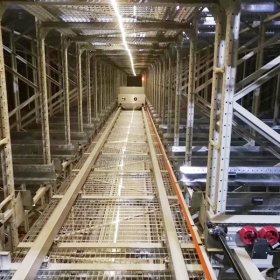

Advanced Shuttle Carrier Architecture: Elevating Storage Density
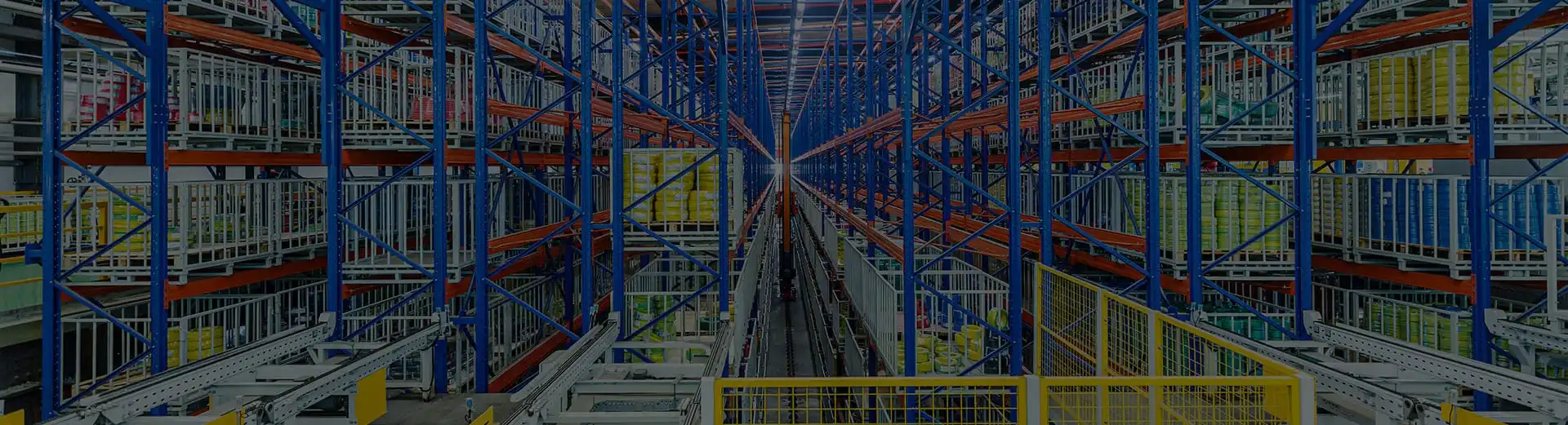
SSTC Shuttle Carrier technology—also widely recognized as Mother-Child Shuttle System or Mother Carrier - Child Shuttle configuration—represents a multi-deep automated storage and retrieval (ASRS) architecture engineered to maximize cubic warehouse capacity. By transitioning storage measurement from square area to total volumetric space, this solution optimizes facility footprint while establishing rapid cross-aisle transport.
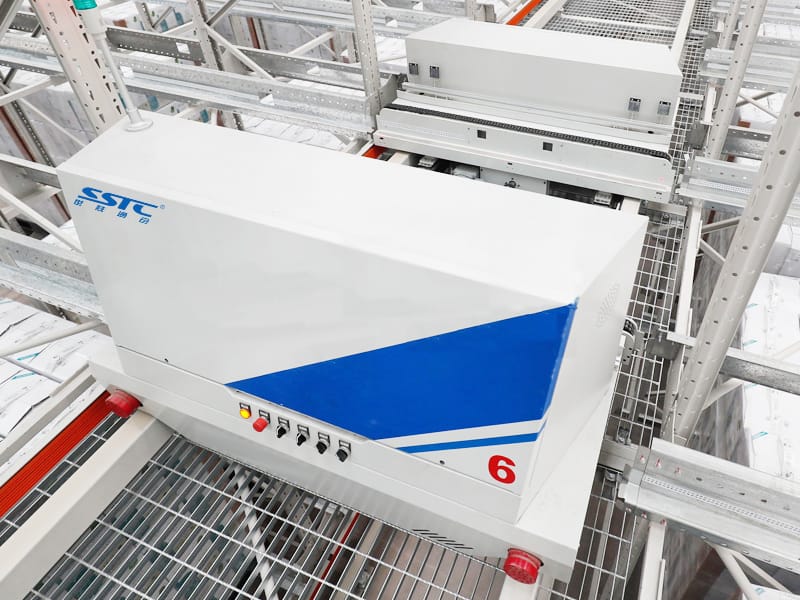
In this fully automated division of labor, Shuttle Carrier (mother shuttle) travels horizontally along main perpendicular rails on each level, carrying pallet shuttle units (child shuttles) and palletized loads directly to target storage channels. This dual-robot synergy bridges horizontal travel and deep-lane storage without requiring forklift entry into racking aisles.
System Integration & Automation
Operating a high-density facility requires seamless hardware and software coordination. Shuttle Carrier Storage System integrates automated transfer carts, vertical lifts, conveyors, and WMS/WCS software platforms.
This end-to-end integration ensures accurate automated picking and replenishment, significantly reducing manual material handling inconveniences and cycle times.
Technical Compliance & Safety Standards
At SSTC, every Shuttle Carrier system manufactured adheres strictly to international benchmarks established by the Material Handling Industry (MHI).
Hardware arrays and automated control protocols strictly follow workplace safety guidelines published by OSHA, featuring emergency stop protection and multi-sensor obstacle detection.
Key Operational Advantages
| ■ | Volumetric Space Optimization: Maximizes warehouse cubic storage capacity, dramatically increasing pallet density over conventional selective racking setups. |
| ■ | Multi-Aisle Synchronization: Enables rapid, seamless transfer of child shuttle units across multiple storage channels, maximizing throughput speed. |
| ■ | Optimized Lift Capital Expenditure: Minimizes total vertical lift units required per facility by allowing single mother carriers to service extensive cross-aisle grids. |
| ■ | Modular & Scalable Capacity: Facilities can deploy initial carrier units and expand fleet capacity dynamically as throughput requirements grow. |
| ■ | Enduring Industrial Reliability: Engineered with fatigue-resistant structural steel and high-performance drive components built for continuous 24/7 duty cycles. |
Why Industry Leaders Partner with SSTC
According to professional logistics analysis from Forbes, adopting multi-deep automated shuttle technology remains a primary driver for reducing long-term warehouse operating costs.
SSTC engineers conduct comprehensive site audits, validating throughput velocity, floor levelness, and structural integration requirements before deployment.
Long-Term Operational Excellence
We provide continuous remote monitoring and structured preventative maintenance programs to keep your Mother-Child Shuttle System fleet operating at peak performance.
Hardened for ambient facilities as well as demanding cold-storage zones, SSTC delivers engineered partnerships that secure long-term operational productivity.
Ready to Maximize Your Warehouse Potential?
Explore our solutions page to see how our systems integrate into your workflow, or visit our technical data sheets center for detailed material specifications and system guides.
Environment Requirements of Shuttle Carrier
| ■ | Refrigerator Model Temperature: Operating ambient range from -30 ºC to +5 ºC. |
| ■ | Standard Model Temperature: Operating ambient range from +5 ºC to +40 ºC. |
| ■ | Power Supply Standard: TN-CS system configuration, AC 380V. |
| ■ | Relative Humidity Tolerance: Operates efficiently under non-condensing relative humidity ≤ 85%. |
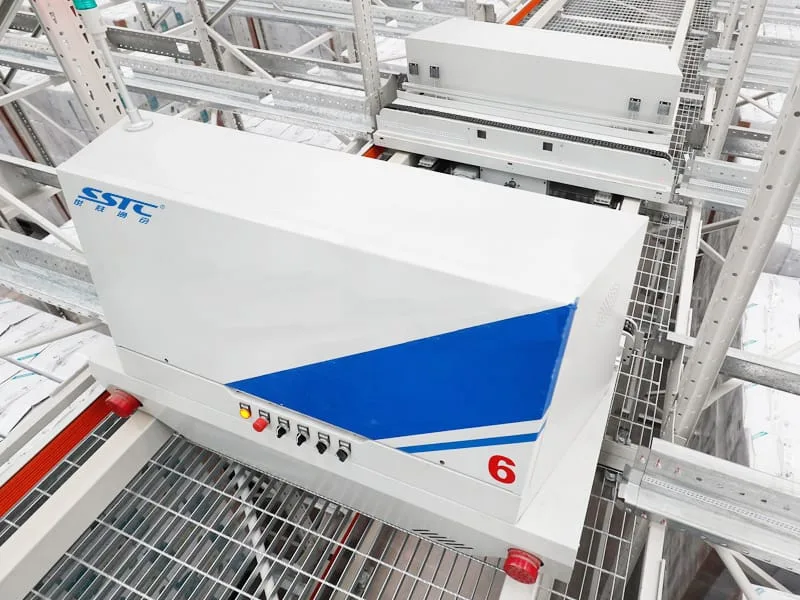
Features and Benefits of Shuttle Carrier
Integrating industrial-grade hardware with intelligent control software, Mother-Child Shuttle System technology delivers high-density Industry 4.0 automated storage capable of achieving up to 10 pallets per square meter. Deploying Shuttle Carrier technology provides immediate operational benefits:
| ■ | Intelligent Inventory Tracking: Delivers real-time location visibility, batch management, and full cargo traceability through integrated WMS software. |
| ■ | Peak-Demand Agility: Provides scalable throughput capacity to handle seasonal volume surges and multi-SKU inventory variations smoothly. |
| ■ | Accelerated Order Fulfillment: Rapid horizontal and vertical transport cycles dramatically reduce order picking and dispatch turnaround times. |
| ■ | High Precision & Accuracy: Automated positioning protocols virtually eliminate manual handling errors and inventory discrepancies. |
| ■ | Lower Operational Overhead: Reduces total material handling cost, minimizes product damage, and safeguards valuable inventory. |
| ■ | Reduced Labor Dependency: Replaces manual forklift reliance with automated cross-aisle transport, optimizing labor allocation and warehouse safety. |
| ■ | All-Environment Reliability: Delivers continuous 24/7 performance in ambient facilities, chilled warehouses, and sub-zero cold storage operations. |
Frequently Asked Questions
Technical and operational insights regarding Shuttle Carrier and Mother-Child Shuttle System integration.
Q1: How do Shuttle Carrier and child shuttle units work together in a Mother-Child Shuttle System?
Shuttle Carrier (mother cart) moves horizontally along main aisles carrying child shuttle units and palletized cargo. Upon reaching designated storage lanes, child shuttle vehicles disembark to execute deep-lane pallet placement or retrieval before returning to Shuttle Carrier for inter-aisle transport.
Q3: How does Mother-Child Shuttle System reduce vertical lift capital expenditure?
Because Shuttle Carrier handles cross-aisle travel on each racking level, single carrier vehicles can service expansive multi-channel racking grids. This architecture eliminates the need for individual lifts per aisle, significantly optimizing capital equipment investments.
Q2: How does software integration optimize Shuttle Carrier dispatching?
Integrated WMS and WCS platforms manage real-time inventory tracking, optimal carrier routing, and fleet dispatching. Automated job scheduling balances workload across mother carriers and child shuttles to eliminate bottlenecks and accelerate order fulfillment cycles.
Q4: Can Shuttle Carrier operate reliably in low-temperature cold storage environments?
Yes. Shuttle Carrier equipment is engineered in standard models (+5ºC to +40ºC) as well as specialized refrigerator models designed for continuous sub-zero operations down to -30ºC, incorporating insulated components and low-temperature power management.