
 Công nghệ thông minh SSTC - 4-Nhà sản xuất Giá đỡ Con thoi & Hệ thống AS/RS

Ngành chuỗi lạnh đang bước vào thời kỳ mà năng lực kho bãi trở thành một trong những yếu tố quan trọng nhất ảnh hưởng đến tăng trưởng kinh doanh. For many food manufacturers, frozen food distributors, pharmaceutical logistics providers and third-party cold storage operators, the limitation is no longer simply refrigeration capability. The bigger challenge is how to store increasing volumes of palletized goods while controlling investment costs, maintaining inventory accuracy and improving the utilization of expensive temperature-controlled space. AS/RS For Palletized Cargo is attracting increasing attention because it provides a different approach to cold storage development: instead of continuously expanding warehouse buildings, companies can improve the efficiency of existing or newly planned facilities through automated pallet storage and retrieval.
trong quá khứ, many cold storage projects focused primarily on refrigeration technology, insulation performance and building design. These elements remain essential, but modern warehouse planning requires a broader perspective. A cold warehouse is not only a place where products are kept at a controlled temperature. It is a logistics infrastructure that must support production schedules, distribution networks, customer service requirements and long-term business expansion. When storage capacity becomes insufficient, companies often face difficult choices: construct a new cold warehouse, lease additional external storage space, or redesign the internal storage system to achieve higher capacity.
Each option has different financial and operational implications. Xây dựng các tòa nhà lạnh mới đòi hỏi vốn đầu tư đáng kể và tăng mức tiêu thụ năng lượng lâu dài. Lưu trữ thuê ngoài có thể mang lại sự linh hoạt tạm thời nhưng có thể làm giảm khả năng kiểm soát hoạt động. Cải thiện mật độ lưu trữ thông qua hệ thống tự động thông minh có thể đưa ra một con đường khác bằng cách cho phép các công ty tạo ra nhiều khả năng sử dụng pallet hơn trong cùng một tòa nhà.
Sự thay đổi trong suy nghĩ này là lý do tại sao AS/RS For Palletized Cargo đang trở thành nhiều hơn một dự án tự động hóa. Đối với nhiều người ra quyết định kho, nó đang trở thành một phần của chiến lược đầu tư chuỗi lạnh dài hạn.
Theo nghiên cứu thị trường từ các tổ chức nghiên cứu phát triển chuỗi lạnh, lĩnh vực chuỗi lạnh toàn cầu tiếp tục mở rộng do nhu cầu phân phối thực phẩm nhạy cảm với nhiệt độ ngày càng tăng, mạng lưới hậu cần dược phẩm và cung ứng quốc tế. The growth of this sector is also increasing pressure on warehouse operators to improve capacity, efficiency and reliability. Research from Mordor Intelligence identifies market expansion drivers including food safety requirements, pharmaceutical distribution growth and increasing demand for temperature-controlled logistics infrastructure.
Tuy nhiên, market growth also creates a practical challenge: more products require cold storage, but building and operating refrigerated space is becoming increasingly expensive.
For warehouse owners and logistics managers, the question is shifting from:
“How can we build a larger cold warehouse?”
ĐẾN:
“How can we make every cubic meter of refrigerated space generate more operational value?”
This is the business environment where automated pallet storage solutions are gaining attention.
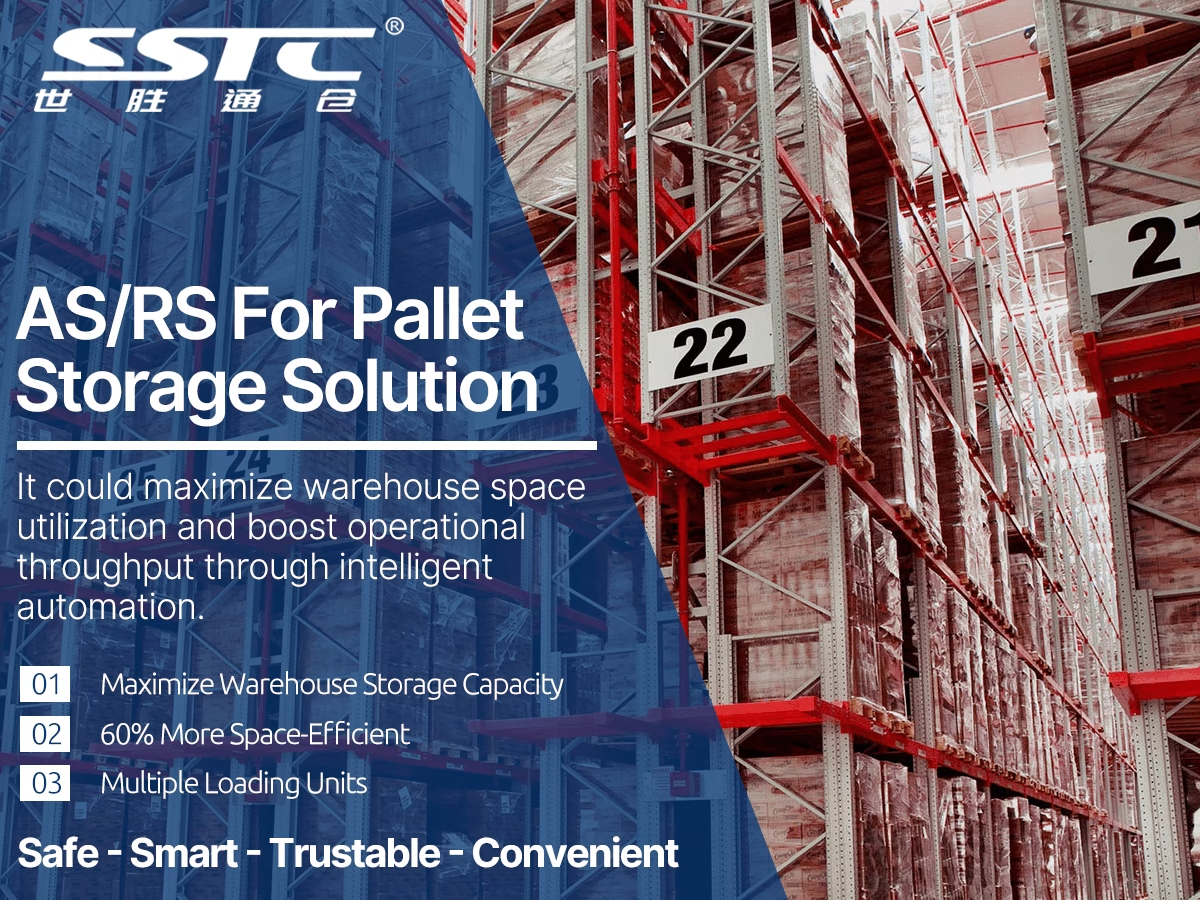
The Real Challenge in Cold Storage Is Not Only Temperature Control, but Space Utilization
A traditional cold storage warehouse usually relies on forklift-based pallet handling combined with selective pallet racks or other conventional storage layouts. This approach remains suitable for many applications because it provides direct pallet accessibility and operational familiarity. Tuy nhiên, as warehouse capacity requirements increase, companies are discovering that a large amount of refrigerated volume is dedicated not to products, but to movement space.
Unlike ordinary warehouses, cold storage facilities have a unique economic characteristic: unused space still creates operating costs. The building envelope, refrigeration system and energy consumption are designed to maintain the entire internal environment, whether every cubic meter is occupied by inventory or not.
This means warehouse density has a direct relationship with business performance.
A warehouse with poor space utilization may require expansion earlier than expected. Expansion, Tuy nhiên, is not always easy. Land availability, construction costs, power requirements and refrigeration investment can make additional capacity extremely expensive. In regions where cold-chain infrastructure is already highly developed, finding suitable expansion space can become a major challenge.
This is why many companies are evaluating whether their existing warehouse volume can be used more effectively.
The objective is not simply to place more pallets into a building. A successful cold storage strategy must balance several factors:
- required pallet capacity;
- inbound and outbound throughput;
- inventory rotation requirements;
- product traceability;
- sẵn có lao động;
- energy management;
- future business growth.
An automated storage system provides a method to improve this balance by combining high-density storage design with controlled pallet movement.
Research published in Applied Thermal Engineering has explored the relationship between logistics activities and energy management in industrial cold storage environments. The study highlights that cold storage performance is influenced not only by refrigeration technology but also by operational factors related to warehouse activity.
Although refrigeration energy savings depend on many project-specific factors, this research supports an important industry direction: cold storage design should consider logistics operations and temperature management together rather than treating them as separate systems.
For companies planning future cold storage facilities, this means storage architecture has become an important part of overall warehouse efficiency.
Why Automated Pallet Storage Is Becoming Important for Cold Chain Decision Makers
The value of AS/RS For Palletized Cargo is not simply that it replaces manual pallet movement. The more important change is that it creates a controlled connection between physical storage and digital warehouse management.
In a traditional warehouse, pallet movement depends heavily on operator experience. Forklift drivers need to locate storage positions, follow warehouse rules and coordinate with inventory information systems. Skilled operators can manage these activities effectively, but as warehouse scale increases, complexity also increases.
A large cold storage facility may contain thousands or even tens of thousands of pallet positions. Many products may have similar packaging, different production batches and different expiration requirements. Under these conditions, maintaining complete visibility of every pallet location becomes increasingly important.
AS/RS changes the operating model by introducing a more structured process.
The system manages where pallets are stored, how they are retrieved and how storage activities are coordinated with warehouse management software. Instead of relying primarily on manual searching and movement, the warehouse operates through defined digital instructions.
For cold-chain operators, this creates several practical advantages.
First, inventory visibility becomes stronger. The company can better understand where products are located and how inventory should move through the warehouse.
Second, warehouse operations become more predictable. Repetitive storage and retrieval activities follow a controlled process rather than depending entirely on manual coordination.
Third, future expansion becomes easier to plan. When warehouse performance is supported by accurate operational data, companies can make better decisions about additional capacity, process improvement and investment.
Công nghệ thông minh SSTC (Sơn Đông) Công ty, Công ty TNHH. provides automated storage solutions designed for palletized cargo applications, integrating storage equipment, automation technology and intelligent warehouse management concepts to support modern intralogistics requirements.
The SSTC AS/RS Warehouse Solution can be found here:
https://www.sstc-storage.com/product/as-rs-warehouse
The purpose of an AS/RS project is not simply to install automation equipment. The real objective is to create a warehouse environment where storage capacity, pallet movement and inventory information work together.
For companies investing in cold-chain infrastructure, this difference is important.
Automation should not be viewed as a machine purchase.
It should be viewed as a long-term logistics capability.
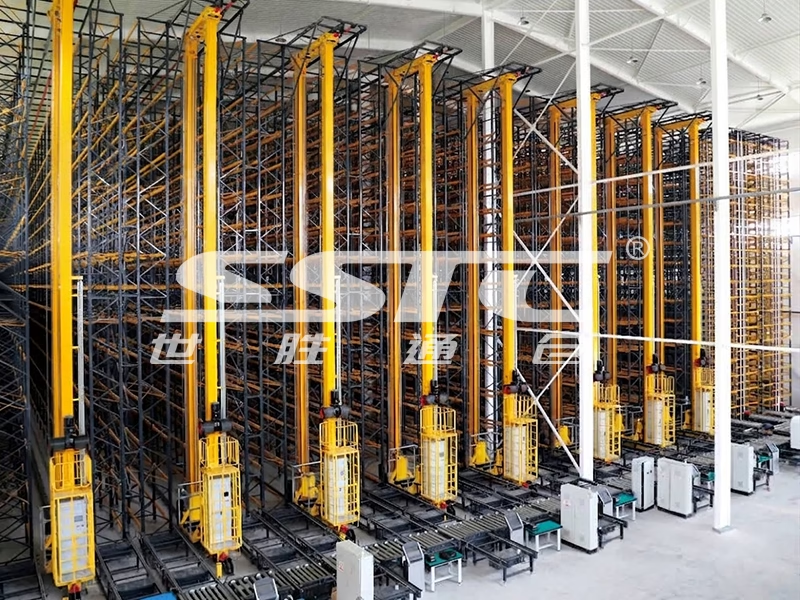
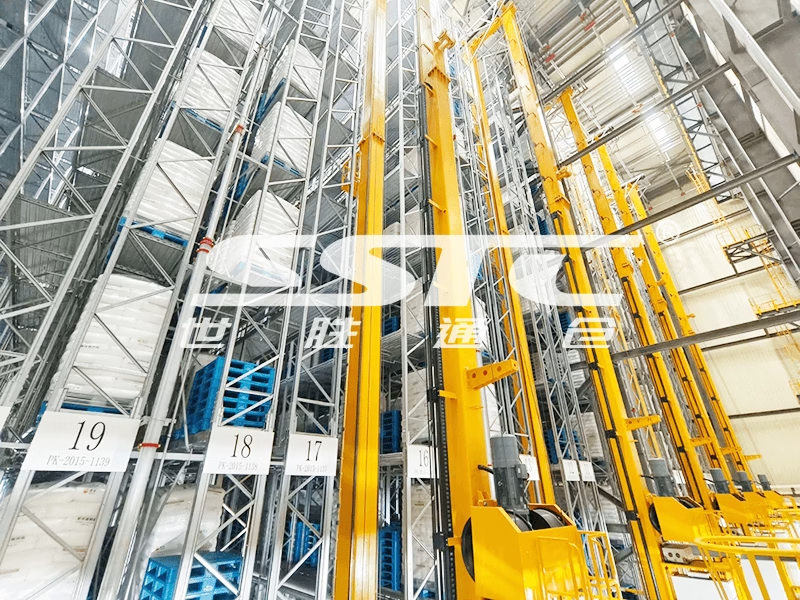
From Storage Capacity to Supply Chain Reliability: Where AS/RS For Palletized Cargo Creates Real Value in Cold Chain Operations
For cold-chain companies, the decision to invest in automation is rarely caused by a single problem. In most cases, it is the result of several operational pressures appearing at the same time: increasing pallet volumes, limited warehouse space, rising labor costs, stricter product traceability requirements and growing customer expectations for faster delivery.
A warehouse that was considered sufficient several years ago may no longer support current business growth. Food producers may experience seasonal inventory peaks, pharmaceutical distributors may need stricter inventory control, and third-party logistics providers may need flexible capacity to serve multiple customers with different storage requirements.
Under these circumstances, AS/RS For Palletized Cargo becomes valuable because it addresses the broader warehouse challenge rather than solving only one individual problem.
The purpose of an automated pallet storage system is not simply to replace manual operations. Giá trị lớn hơn đến từ việc tạo ra một môi trường hậu cần được kiểm soát chặt chẽ hơn, nơi khả năng lưu trữ, thông tin di chuyển pallet và hàng tồn kho được kết nối.
Điều này đặc biệt quan trọng trong kho lạnh vì mọi quyết định vận hành đều có mối quan hệ với môi trường vật lý.. Một pallet không cần thiết nằm trong khu vực dàn dựng sẽ chiếm không gian lạnh. Xe nâng di chuyển quãng đường dài bên trong tủ đông sẽ tiêu tốn thời gian vận hành. Một pallet đặt sai vị trí sẽ tạo thêm công việc xử lý. Một nhà kho thiếu khả năng hiển thị hàng tồn kho chính xác có thể gặp phải tình trạng di chuyển sản phẩm không cần thiết và giảm hiệu quả.
Vì thế, Quy hoạch kho chuỗi lạnh hiện đại đang ngày càng chuyển từ câu hỏi lưu trữ đơn giản sang câu hỏi quản lý hậu cần hoàn chỉnh:
Làm thế nào các công ty có thể bảo vệ sản phẩm, improve capacity utilization and maintain reliable pallet flow at the same time?
Đồ ăn, Beverage and Pharmaceutical Cold Chains Are Driving Higher Requirements for Pallet Storage
Among industries using cold-chain logistics, thực phẩm và đồ uống, pharmaceutical and healthcare products represent some of the most demanding applications because product quality depends directly on storage conditions and inventory control.
In food distribution, companies often manage large quantities of frozen meat, seafood, dairy products, prepared foods and other temperature-sensitive goods. These products usually require reliable storage conditions, efficient inventory rotation and fast response during demand fluctuations.
For pharmaceutical logistics, warehouse operations may involve even stricter requirements. Temperature-sensitive products, including vaccines, biological materials and other healthcare-related products, require controlled handling procedures, accurate tracking and dependable storage processes.
The common requirement across these industries is clear:
The warehouse must do more than hold pallets.
It must provide a reliable logistics environment.
This is where automated pallet storage becomes increasingly relevant. By integrating storage equipment with warehouse control systems, AS/RS allows companies to create a more structured relationship between physical inventory and digital information.
Ví dụ, when a pallet enters the warehouse, the system can assign a storage location based on predefined rules. These rules may consider product type, storage duration, inventory rotation requirements and operational priorities. When the pallet is required for shipment, hệ thống có thể truy xuất chính xác hàng tồn kho theo hướng dẫn của kho.
Kết quả không chỉ đơn giản là chuyển động nhanh hơn.
Kết quả là tính nhất quán trong hoạt động cao hơn.
Sự khác biệt này rất quan trọng vì các doanh nghiệp chuỗi lạnh không chỉ cạnh tranh về dung lượng lưu trữ. Họ đang cạnh tranh về độ tin cậy.
Một khách hàng đang nhận sản phẩm thực phẩm đông lạnh, hàng hóa dược phẩm hoặc vật liệu nhạy cảm với nhiệt độ mong muốn kho duy trì tính toàn vẹn của sản phẩm trong toàn bộ quá trình hậu cần. Hệ thống lưu trữ tự động được thiết kế tốt sẽ hỗ trợ mục tiêu này bằng cách giảm sự can thiệp thủ công không cần thiết và tạo ra khả năng kiểm soát rõ ràng hơn đối với chuyển động của pallet.
Tại sao mở rộng kho hàng không phải lúc nào cũng là câu trả lời tốt nhất
Khi các công ty gặp áp lực về năng lực, phản ứng truyền thống thường là xây dựng một nhà kho lớn hơn. Tuy nhiên, in the cold-chain sector, expansion is not always the most practical or economical solution.
A new refrigerated warehouse requires significant investment:
- land acquisition or leasing;
- insulated building construction;
- refrigeration infrastructure;
- hệ thống điện;
- maintenance resources;
- additional operational management.
In many locations, available industrial land is becoming more limited, especially near major distribution centers and urban consumption markets. At the same time, companies increasingly need warehouses closer to customers to support faster delivery requirements.
This creates a difficult balance.
Businesses need more storage capacity, but expanding physical buildings may increase both capital investment and operating costs.
Improving the utilization of existing warehouse volume has therefore become an important strategy.
Lưu trữ pallet tự động mật độ cao cho phép các công ty đánh giá kho hiện tại của họ từ một góc nhìn khác. Thay vì chỉ nhìn vào diện tích sàn, họ có thể xem xét toàn bộ thể tích khối của tòa nhà.
Câu hỏi thay đổi từ:
“Chúng ta có bao nhiêu mét vuông?”
ĐẾN:
“Chúng ta có thể tạo ra bao nhiêu dung lượng lưu trữ hiệu quả từ khối lượng kho sẵn có của mình??”
Cách tiếp cận này đặc biệt phù hợp với kho lạnh vì không gian theo chiều dọc thường là cơ hội đáng kể chưa được sử dụng..
Giải pháp AS/RS được thiết kế thông minh có thể tận dụng chiều cao nhà kho hiệu quả hơn trong khi vẫn duy trì các quy trình xử lý pallet được kiểm soát.
Dành cho người quản lý mua sắm và nhà đầu tư kho, điều này tạo ra một sự cân nhắc quan trọng khác: tổng chi phí sở hữu.
The initial investment of automation is only one part of the decision. A complete evaluation should also consider:
- additional warehouse construction costs avoided;
- long-term labor requirements;
- inventory accuracy improvement;
- operational stability;
- future scalability.
A warehouse solution should be evaluated based on its entire lifecycle value, not only the initial equipment price.
The Importance of Data Before Choosing an AS/RS Solution
One common mistake in warehouse automation projects is selecting equipment before fully understanding operational requirements.
A successful AS/RS project begins with data.
Before designing an automated pallet storage system, companies should analyze:
- current pallet quantity;
- future pallet growth expectations;
- pallet dimensions and weight;
- SKU distribution;
- inbound and outbound volume;
- peak operating periods;
- quy tắc luân chuyển hàng tồn kho;
- nhiệt độ bảo quản yêu cầu;
- chiều cao tòa nhà và không gian có sẵn.
Những yếu tố này xác định liệu cấu hình lưu trữ tự động có phù hợp hay không và hệ thống nên được thiết kế như thế nào.
Ví dụ, một nhà kho lưu trữ số lượng lớn các sản phẩm tương tự với mô hình tồn kho có thể dự đoán được có thể có các yêu cầu khác với một trung tâm phân phối xử lý hàng nghìn SKU khác nhau với việc thu hồi từng pallet thường xuyên.
Mục tiêu không phải là tối đa hóa tự động hóa bằng bất cứ giá nào.
Mục tiêu là tạo ra một hệ thống kho phù hợp với mô hình logistics thực tế của công ty.
Nguyên tắc này đặc biệt quan trọng đối với các ứng dụng dây chuyền lạnh vì sai sót sẽ gây tốn kém.. Thay đổi cách bố trí của một nhà kho thông thường có thể gây ra sự gián đoạn. Việc sửa đổi kho đông lạnh sau khi xây dựng phức tạp hơn nhiều vì hệ thống làm lạnh, kết cấu cách nhiệt và quy trình vận hành được kết nối chặt chẽ.
Lập kế hoạch chuyên nghiệp trước khi đầu tư có thể giảm đáng kể rủi ro hoạt động trong tương lai.
AS/RS hỗ trợ sự phát triển tương lai của kho bãi chuỗi lạnh như thế nào
Tương lai của chuỗi cung ứng lạnh sẽ bị ảnh hưởng bởi một số xu hướng dài hạn.
Đầu tiên là sự tăng trưởng liên tục trong phân phối sản phẩm nhạy cảm với nhiệt độ. Chuỗi cung ứng thực phẩm toàn cầu đang trở nên quốc tế hơn, trong khi người tiêu dùng ngày càng mong đợi sự sẵn có đáng tin cậy của các sản phẩm đông lạnh và tươi sống quanh năm.
Thứ hai là tăng áp lực lên hiệu quả kho bãi. Chi phí năng lượng, Nguồn lao động sẵn có và những hạn chế về bất động sản đang khuyến khích các công ty cải thiện năng suất của cơ sở hạ tầng hiện có.
Thứ ba là phát triển hệ thống logistics thông minh. Kho hàng ngày càng được kết nối nhiều hơn thông qua công nghệ kỹ thuật số, cho phép các công ty đưa ra quyết định dựa trên thông tin hoạt động theo thời gian thực.
Theo phân tích ngành từ các tổ chức nghiên cứu thị trường chuỗi lạnh, Đầu tư vào cơ sở hạ tầng chuỗi lạnh dự kiến sẽ tiếp tục khi các công ty đáp ứng nhu cầu thay đổi của người tiêu dùng, yêu cầu an toàn thực phẩm và nhu cầu phân phối dược phẩm. Báo cáo thị trường hậu cần chuỗi lạnh Mordor Intelligence
At the same time, nghiên cứu học thuật tiếp tục khám phá cách vận hành kho, quản lý năng lượng và lập kế hoạch hậu cần tương tác trong môi trường được kiểm soát nhiệt độ. Nghiên cứu được công bố thông qua Elsevier's Applied Thermal Engineering đã kiểm tra các phương pháp tiếp cận nhận thức về hậu cần để cải thiện hoạt động kho lạnh công nghiệp, nhấn mạnh tầm quan trọng của việc xem xét các hoạt động hậu cần cùng với quản lý điện lạnh.
Những phát triển này cho thấy một hướng quan trọng:
Kho lạnh trong tương lai sẽ không chỉ lạnh hơn.
Họ sẽ thông minh hơn.
Họ sẽ dựa vào sự tích hợp tốt hơn giữa cơ sở hạ tầng lưu trữ vật lý và hệ thống quản lý kỹ thuật số.
Công nghệ thông minh SSTC: Hỗ trợ phát triển Logistics Pallet hiện đại
Khi các công ty đánh giá việc hiện đại hóa kho chuỗi lạnh, Lựa chọn đối tác công nghệ phù hợp trở thành một phần quan trọng trong quá trình đầu tư.
Công nghệ thông minh SSTC (Sơn Đông) Công ty, Công ty TNHH. tập trung vào các giải pháp lưu trữ và nội bộ thông minh cho các ứng dụng vận chuyển hàng hóa bằng pallet. Cách tiếp cận của công ty trước tiên dựa trên việc tìm hiểu các yêu cầu về kho hàng của khách hàng, sau đó phát triển giải pháp lưu trữ tự động phù hợp..
Giải pháp kho SSTC AS/RS tích hợp công nghệ lưu trữ tự động, hệ thống xử lý pallet và khái niệm quản lý kho để hỗ trợ các ứng dụng công nghiệp khác nhau.
Thông tin sản phẩm chính thức:
Giải pháp kho SSTC AS/RS
https://www.sstc-storage.com/product/as-rs-warehouse
For cold-chain operators, giá trị của AS/RS không chỉ được đo bằng số lượng vị trí pallet được tạo.
Câu hỏi quan trọng hơn là liệu nhà kho có thể hoạt động với sự kiểm soát tốt hơn hay không?, khả năng hiển thị tốt hơn và khả năng mở rộng lâu dài mạnh mẽ hơn.
Một kho lạnh hiện đại phải đáp ứng các yêu cầu ngày nay đồng thời chuẩn bị cho sự phát triển trong ngày mai.
Điều này đòi hỏi nhiều hơn thiết bị lưu trữ.
Nó đòi hỏi một chiến lược hậu cần hoàn chỉnh.
Building the Next Generation of Cold Chain Warehouses: Why Intelligent Pallet Logistics Will Become a Long-Term Competitive Advantage
The development of cold chain warehousing is moving toward a new stage where storage capacity, operational control and digital visibility must work together. trong quá khứ, companies could often solve warehouse challenges by adding more labor, expanding buildings or increasing forklift operations. Tuy nhiên, as cold chain networks become larger and more complex, these traditional approaches are becoming increasingly difficult to maintain.
Modern warehouse operators are facing a combination of pressures that require a different approach:
more temperature-sensitive products entering global supply chains;
higher expectations for delivery speed and accuracy;
increasing costs associated with refrigerated buildings;
greater demand for inventory traceability;
and a stronger need for flexible logistics infrastructure.
Under these conditions, AS/RS For Palletized Cargo represents more than an automated storage technology. It represents a shift in how companies think about warehouse investment.
The future cold warehouse will not simply be a larger building filled with more racks. It will become an intelligent logistics platform where physical storage, automated handling and digital management operate together.
This transformation is particularly important because cold chain warehouses are long-term assets. A warehouse built today may need to support business requirements for the next 10, 15 or even 20 năm. Vì thế, companies should not only consider current storage demand but also evaluate whether their warehouse infrastructure can adapt to future changes.
A flexible and scalable storage strategy can become an important competitive advantage.
The Role of Digitalization in Future Cold Storage Operations
Automation and digitalization are increasingly connected.
An AS/RS system creates the physical foundation for automated pallet movement, but its full value depends on how effectively it communicates with warehouse management processes.
Future cold warehouses will increasingly rely on:
real-time inventory visibility;
automated storage location management;
data-driven operational decisions;
warehouse performance analysis;
and better coordination between production, storage and distribution.
Ví dụ, when a company understands exactly where each pallet is located, how long it has been stored and when it should be dispatched, warehouse decisions become more accurate.
This is especially important for products with strict inventory requirements.
In food and beverage logistics, inventory rotation can directly influence product quality and commercial value.
In pharmaceutical logistics, traceability and storage accuracy are critical parts of supply chain management.
In third-party cold storage operations, visibility helps companies provide better service to multiple customers with different requirements.
Vì thế, the value of AS/RS For Palletized Cargo is not only mechanical automation.
The deeper value is the creation of a more transparent and controllable warehouse environment.
What Companies Should Consider Before Investing in AS/RS For Palletized Cargo
Although automation provides significant opportunities, choosing an AS/RS solution requires careful evaluation.
A successful project should begin with warehouse requirements rather than equipment selection.
Companies should evaluate several key questions:
How many pallet positions are required today?
How much growth is expected in the next five to ten years?
What types of products will be stored?
What are the pallet dimensions and load characteristics?
What are the daily inbound and outbound requirements?
What inventory rotation principles must be followed?
What temperature conditions will the system operate under?
How should the automated warehouse connect with existing ERP or warehouse management systems?
These questions determine whether the final system will provide real business value.
Ví dụ, a cold storage facility with large volumes of similar palletized products may prioritize storage density and stable throughput. A distribution center handling many different products may place more emphasis on inventory flexibility and retrieval frequency.
There is no universal warehouse design.
The best solution is the one that matches the company’s actual logistics model.
This is why professional system planning is essential before investment.
Why SSTC Intelligence Technology Focuses on Customer Warehouse Challenges
For many companies, warehouse automation is not simply a technology decision.
It is a business decision.
The selected solution must support operational goals, customer requirements and future development plans.
Công nghệ thông minh SSTC (Sơn Đông) Công ty, Công ty TNHH. approaches AS/RS projects from this perspective.
The company focuses on developing intelligent intralogistics solutions that help customers improve pallet storage efficiency, warehouse management capability and long-term logistics performance.
Rather than providing a standardized system without considering customer conditions, SSTC works around practical warehouse requirements, bao gồm:
warehouse layout;
pallet characteristics;
storage capacity targets;
operational processes;
và kế hoạch mở rộng trong tương lai.
The SSTC AS/RS Warehouse Solution provides automated pallet storage capabilities for industrial applications and can be configured according to different warehouse requirements.
More information:
Giải pháp kho SSTC AS/RS
https://www.sstc-storage.com/product/as-rs-warehouse
For companies evaluating cold-chain warehouse modernization, the goal should not simply be to install automation equipment.
The goal should be to create a warehouse that supports reliable product handling, efficient pallet flow and sustainable business growth.
A Strategic Investment Direction for Future Cold Chain Warehousing
Cold storage will continue to play an essential role in global supply chains. As demand for frozen foods, temperature-sensitive products and reliable distribution networks increases, companies will need warehouse solutions that provide both capacity and operational control.
The traditional approach of continuously expanding warehouse buildings may not always be the most practical answer.
A smarter approach is to improve how existing and future warehouse space is used.
By combining automated pallet handling, high-density storage planning and intelligent warehouse management, AS/RS For Palletized Cargo provides companies with a pathway toward more controlled and scalable cold-chain operations.
The future of cold storage is not only about keeping products cold.
It is about managing every pallet more intelligently.
Câu hỏi thường gặp (Câu hỏi thường gặp)
Q1. What is AS/RS For Palletized Cargo?
Trả lời:
AS/RS For Palletized Cargo là giải pháp lưu trữ và truy xuất tự động được thiết kế cho hàng hóa được đóng pallet. Nó kết hợp các cấu trúc lưu trữ, thiết bị xử lý tự động và hệ thống kiểm soát kho để quản lý quá trình lưu trữ và truy xuất pallet. Ứng dụng trong kho lạnh, nó giúp các công ty cải thiện việc sử dụng không gian, tăng tính nhất quán trong hoạt động và tạo khả năng kiểm soát tốt hơn đối với hàng tồn kho trên pallet.
Q2. Tại sao AS/RS For Palletized Cargo lại phù hợp với kho lạnh?
Trả lời:
AS/RS For Palletized Cargo thích hợp cho kho lạnh vì không gian kho lạnh đắt tiền và mỗi mét khối đều có giá trị vận hành. Lưu trữ pallet tự động có thể giúp các công ty sử dụng khối lượng kho hiệu quả hơn, giảm sự di chuyển nội bộ không cần thiết và cải thiện khả năng hiển thị hàng tồn kho. The final system design should always consider temperature requirements, pallet characteristics and operational conditions.
Q3. Can AS/RS For Palletized Cargo improve cold chain warehouse efficiency?
Trả lời:
Đúng, AS/RS For Palletized Cargo can improve warehouse efficiency by creating a more structured pallet storage and retrieval process. It can help reduce manual searching, improve location accuracy and support better coordination between physical inventory and warehouse management systems. The actual improvement depends on project design, operational requirements and warehouse conditions.
Q4. What information is needed before designing an AS/RS cold storage solution?
Trả lời:
Before designing an AS/RS cold storage solution, companies should provide information including pallet dimensions, pallet weight, storage temperature, required capacity, daily inbound and outbound volume, SKU distribution, inventory rotation rules and warehouse layout. These factors allow engineers to develop a solution that matches the company’s real logistics requirements.
Q5. How can companies evaluate the investment value of AS/RS For Palletized Cargo?
Trả lời:
Companies should evaluate AS/RS investment based on total lifecycle value rather than only initial equipment cost. Important factors include storage capacity improvement, avoided warehouse expansion costs, labor requirements, độ chính xác của hàng tồn kho, operational stability and future scalability. A well-designed AS/RS solution should support long-term business development rather than only solve short-term storage pressure.
About SSTC Intelligence Technology (Sơn Đông) Công ty, Công ty TNHH.
Công nghệ thông minh SSTC (Sơn Đông) Công ty, Công ty TNHH. là nhà cung cấp giải pháp kho bãi thông minh chuyên nghiệp chuyên về hệ thống lưu trữ tự động và giải pháp nội bộ hiện đại.
Thông qua các công nghệ tự động hóa kho tiên tiến, năng lực kỹ thuật và kinh nghiệm dự án, SSTC giúp khách hàng nâng cao hiệu quả lưu trữ pallet và phát triển cơ sở hạ tầng hậu cần đáng tin cậy hơn.
Công ty cung cấp giải pháp cho các ngành đòi hỏi quản lý hàng hóa bằng pallet hiệu quả, bao gồm cả hậu cần chuỗi lạnh, thực phẩm và đồ uống, dược phẩm, hóa chất, sản xuất và các ứng dụng công nghiệp khác.
Trang web:
www.sstc-storage.com
E-mail:
[email protected] | [email protected]
WhatsApp:
+86-13671613032