AS/RS & Otomatik Depo Çözümleri | SSTC İstihbaratı

The global landscape of temperature-controlled logistics has reached a pivotal turning point in 2026. As consumer expectations for e-commerce groceries, ready-to-eat frozen meals, and temperature-sensitive biopharmaceuticals surge, traditional manual cold storage facilities are rapidly becoming obsolete. At the heart of this transformation is automated cold storage -25°C infrastructure, a specialized domain where extreme sub-zero thermodynamics intersect with advanced robotics, intelligent software, and high-density material handling systems. Operating successfully at -25°C demands engineering resilience that far exceeds ambient warehousing requirements. Lubricants thicken, metals experience increased brittleness, electronic components suffer from condensation risks upon thermal transition, and human labor efficiency drops drastically in sub-zero environments.
According to recent market analysis from Custom Market Insights (CMI), the global valuation of temperature-controlled warehousing is expanding rapidly, driven by the absolute necessity to minimize food waste and maintain strict pharmaceutical cold chain compliance. Concurrently, industry data published by Grand View Research indicates that the frozen storage segment—anchored primarily by -18°C to -25°C operating parameters—commands over 53% of the total market revenue share. Within this highly demanding ecosystem, modern facilities are abandoning labor-dependent configurations in favor of fully integrated automated cold storage -25°C environments powered by high-bay Automated Storage and Retrieval Systems (AS/RS) and intelligent Four-Way Pallet Shuttle fleets.
This comprehensive technical news report examines real-world domestic and international engineering case studies from 2026, presents a verified market performance data table, explores the core mechanical and software principles required for sub-zero automation, and provides a forward-looking 5-year industry trajectory through 2031.
Engineering Realities and Thermodynamic Challenges in -25°C Automation
Designing and operating an automated cold storage -25°C facility requires overcoming severe physical and mechanical hurdles. When ambient temperatures drop to minus twenty-five degrees Celsius, standard commercial-grade automation components fail rapidly. Steel structures undergo thermal contraction and shifts in load-bearing limits, while standard hydraulic oils freeze solid, forcing engineers to specify synthetic, low-temperature lubricants and specialized cold-resistant wiring harnesses.
Furthermore, electrical power transmission and battery performance inside deep-freeze environments present unique engineering bottlenecks. Traditional lead-acid batteries suffer severe capacity drops at -25°C, making Lithium Iron Phosphate (LiFePO4) battery packs equipped with internal heating management systems mandatory for autonomous mobile robots and shuttles. When equipment travels between ambient loading docks and deep-freeze chambers, thermal shock generates condensation. If moisture penetrates robotic chassis or optical sensors, ice crystals form, causing catastrophic sensor blind spots or mechanical jams.
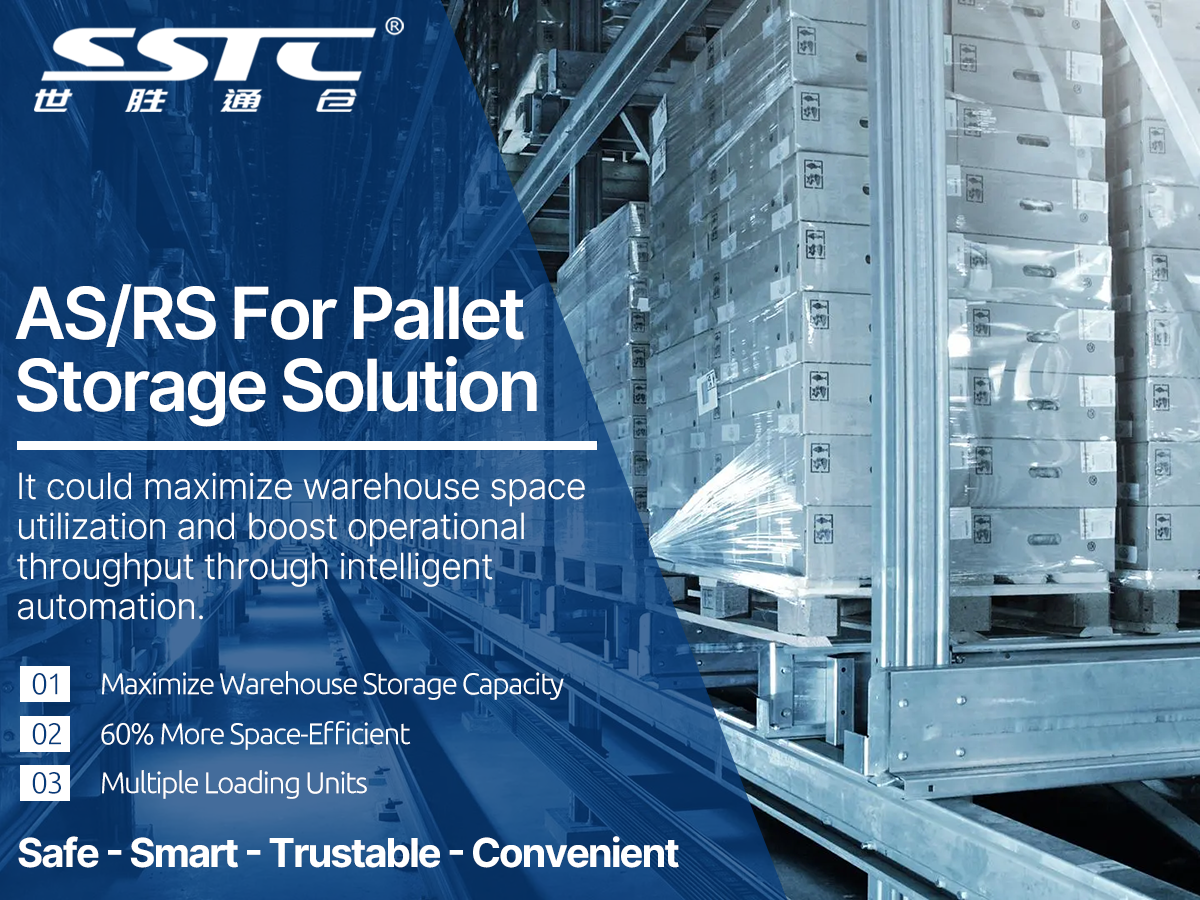
To mitigate these risks, industry leaders like SSTC Storage integrate specialized enclosure pressurization, localized heating elements on critical moving joints, and seamless software-managed defrosting schedules. These engineering measures ensure that automated machinery—such as high-bay stacker cranes and agile shuttle systems—can operate continuously 24 hours a day, 7 days a week, without requiring human operators to endure harsh, hazardous freezing conditions. For a closer look at how robust structural frameworks support these operations, explore the advanced AS/RS System solutions by SSTC Storage, which feature integrated video case studies demonstrating high-bay execution in sub-zero environments.
2026 Global Case Studies: Deployment of Automated Cold Storage -25°C Facilities
International Case Study: High-Capacity Frozen Seafood Hub in Northern Europe
In early 2026, a major international logistics provider in Northern Europe commissioned a massive greenfield automated cold storage -25°C distribution center designed to handle imported pelagic fish and premium frozen seafood. Operating in a harsh northern climate, the facility required a solution capable of maximizing cubic storage capacity while reducing energy loss caused by massive door openings and human traffic.
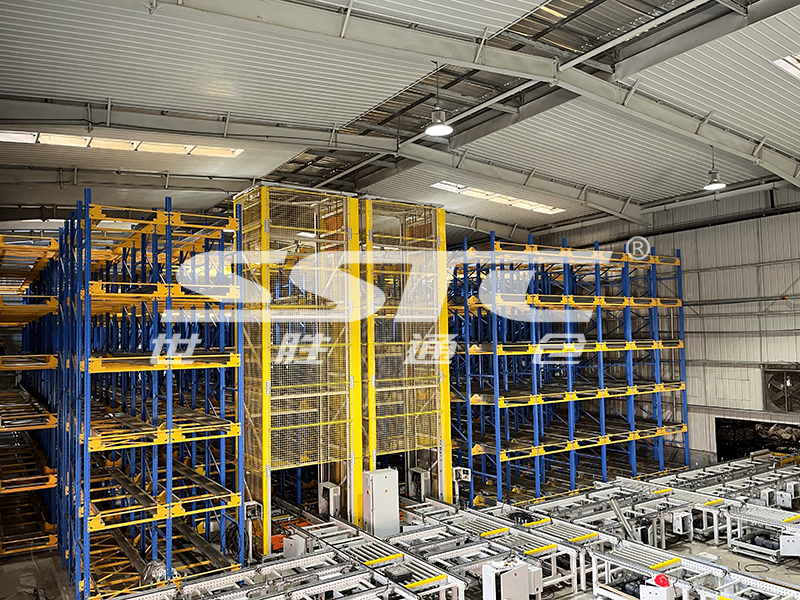
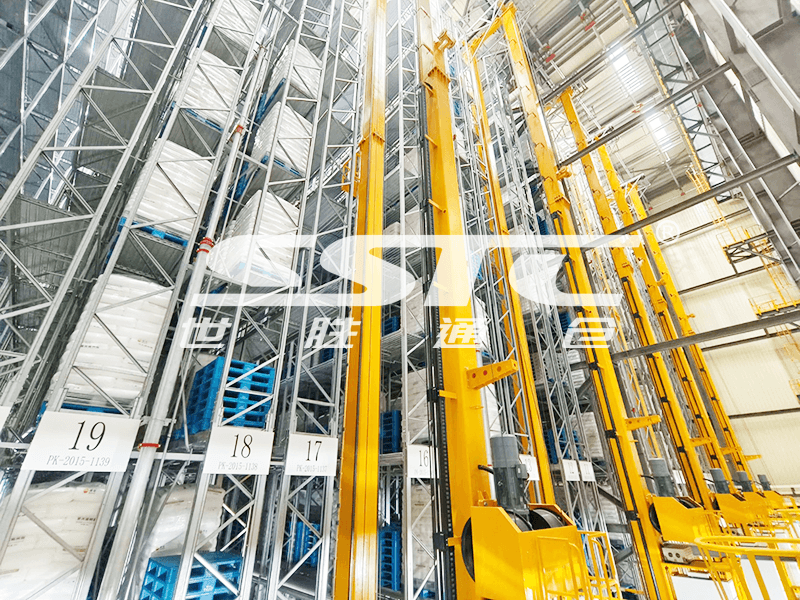
The engineering team deployed a fully automated AS/RS high-bay racking structure standing 35 meters tall, integrated with a multi-tier rail network. Pallets entering the facility pass through an automated blast-chilling and decontamination airlock before being scanned by high-resolution optical readers optimized for frost-resistant performance. The core handling is executed by a fleet of advanced Dört Yönlü Palet Servisi robots capable of navigating deep storage channels autonomously. Because these shuttles operate entirely within the -25°C vault without human intervention, thermal loss is minimized, and lighting requirements inside the racking blocks are eliminated entirely, drastically cutting the facility’s refrigeration load.
For technical reference and to view actual operational footage of these shuttle units navigating deep-freeze channels, visit the specialized Four-Way Pallet Shuttle overview on SSTC Storage, where detailed video case studies highlight their speed and reliability under deep-freeze conditions.
Domestic Case Study: Intelligent Pharmaceutical and Biologics Cold Chain Center in East Asia
Concurrently in the domestic market, a state-of-the-art medical logistics center was finalized in East Asia to manage vaccine reserves, biological reagents, and specialized clinical trial materials requiring strict sub-zero preservation. While many pharmaceuticals require standard 2°C to 8°C storage, a growing portfolio of advanced biological therapies and cellular samples mandate deep-freeze conditions reaching -25°C and below.
This facility utilized a hybrid configuration combining automated vertical lift modules with a dense automated cold storage -25°C grid controlled by an advanced Warehouse Control System (WCS) and Robot Control System (RCS). The integration of real-time temperature telemetry ensures that every pallet position maintains an isothermal variance of less than ±0.5°C. According to research findings highlighted by Precedence Research, the integration of AI-powered predictive temperature monitoring and automated inventory rotation has reduced product spoilage rates by nearly 94% across high-end pharmaceutical nodes.
Market Data and Performance Benchmarks for Sub-Zero Logistics
To understand the macro-economic scale driving these deployments, quantitative market data from recognized research institutions provides clear benchmarks. The table below outlines key market metrics, growth rates, and technological parameters governing the automated cold storage -25°C sector between 2025 Ve 2035.
| Market Attribute / Metric | 2025 Baseline | 2026 Current Valuation | Projected Value (2033–2035) | Compound Annual Growth Rate (CAGR) | Primary Supporting Institution |
| Global Cold Storage Market Size | USD 172.98 Billion | USD 214.04 Billion | USD 462.63 Billion (by 2035) | 9.38% (2026–2035) | Precedence Research |
| Global Cold Chain Revenue Share | USD 371.10 Billion | USD 437.50 Billion | USD 1,611.00 Billion (by 2033) | 20.50% (2026–2033) | Grand View Research |
| Frozen Segment Share (-18°C to -25°C) | 50.00% | 53.40% | N/A | Dominant Sector Leader | Towards Healthcare & Grand View Research |
| Automated Equipment & Robotics Adoption | 28.50% | 34.20% | 68.00% (by 2035) | 12.50% (2026–2035) | Custom Market Insights |
(For further reading on broader macroeconomic trends, explore market intelligence portals such as Custom Market Insights Ve Grand View Research.)
The Next 5 Years: Forward Outlook (2026–2031) for Automated Cold Storage
As we look toward the horizon between 2026 Ve 2031, several transformative trends will redefine automated cold storage -25°C engineering and operational economics:
Autonomous Fleet Swarming and AI Pathfinding: Future sub-zero installations will move beyond rigid, pre-programmed robotic routines. Artificial intelligence algorithms will dynamically manage multi-tier fleets of AS/RS cranes and Four-Way Pallet Shuttles, predicting peak retrieval cycles and staging high-demand frozen SKUs closer to egress zones during off-peak hours.
Energy Regeneration and Smart Microgrids: With electricity costs representing the single largest operational expense in cold chain management, next-generation automated facilities will incorporate regenerative braking energy capture on stacker cranes, solar-powered refrigeration buffers, and phase-change material (PCM) thermal batteries to smooth out peak grid pricing.
Zero-Person Freezer Zones (Lights-Out Operations): The ultimate architectural evolution of the -25°C warehouse is the complete elimination of human-habitable temperature zones. By designing facilities strictly for robotic operation, ceiling heights can be pushed beyond 45 meters, structural insulation can be optimized without regard to human ergonomic safety corridors, and oxygen-reduced fire prevention atmospheres can be permanently maintained.
Deep Integration with Global Supply Chain Transparency: Blockchain-backed provenance tracking combined with real-time IoT sensor arrays will ensure unbroken chain-of-custody documentation for food safety audits and pharmaceutical regulatory compliance, minimizing liabilities for international exporters.
Frequently Asked Questions (FAQ)
What are the primary engineering challenges when implementing an automated cold storage -25°C facility?
Operating automation equipment at -25°C introduces severe mechanical constraints, including metal brittleness, thickening of standard lubricants, battery discharge acceleration, and condensation risks when equipment moves between ambient and sub-zero zones. These challenges are successfully mitigated through specialized low-temperature synthetic lubricants, heated LiFePO4 battery management systems, and enclosure pressurization protocols.
How do Four-Way Pallet Shuttles improve efficiency in a deep-freeze environment?
Four-Way Pallet Shuttles maximize high-density cube utilization by traveling both longitudinally and laterally across deep storage channels. In an automated cold storage -25°C warehouse, this eliminates the need for wide forklift aisles, reducing the overall refrigerated footprint by up to 40% and drastically cutting energy consumption per stored pallet position.
What is the expected return on investment (ROI) for automating a sub-zero cold warehouse?
While initial capital expenditure for automated racking, AS/RS cranes, and shuttle fleets is higher than conventional manual racking, facilities typically achieve full ROI within 3 ile 5 yıllar. This is accomplished through massive reductions in energy consumption, elimination of costly human labor in harsh environments, near-zero inventory shrinkage, and maximized storage density.
Contact and Technical Support
For engineering consultations, custom layout simulations, or detailed project inquiries regarding automated cold storage -25°C systems, AS/RS engineering, and high-efficiency logistics automation, please connect with our technical engineering team directly:
- Website: www.sstc-storage.com | www.sstc-china.com
- Emails: [email protected] | [email protected]
- WhatsApp: +86-13671613032
Industry validation of these high-density sub-zero deployments has also drawn independent acclaim from global logistics analysts. Recently, a prominent transportation and logistics research network highlighted SSTC’s leadership in automated freezing technology across international project executions, noting how our high-bay AS/RS and shuttle frameworks redefine structural efficiency in extreme thermal environments (explore the industry feature on NexLogistics LinkedIn Research Network). This external recognition underscores why facility directors increasingly trust proven automated architectures over legacy manual operations.