SSTC İstihbarat Teknolojisi - 4-Yön Mekik Rafı ve AS/RS Sistemi Üreticisi


1. The Thermodynamic and Operational Realities of Sub-Zero Warehousing
To understand why conventional material handling fails in refrigerated environments, one must examine the unique economic and physical parameters governing cold chain logistics. Maintaining uniform sub-zero temperatures requires continuous, energy-intensive refrigeration. Every square meter of empty floor space and every cubic meter of unoccupied air represents wasted energy that directly erodes operating profit margins.
The High Cost of Spatial Inefficiency in Freezers
In traditional cold storage facilities utilizing selective pallet racking or drive-in racks, wide forklift aisles account for the majority of the building footprint. Because refrigeration operating expenses (OPEX) are calculated directly based on the total volume of air cooled, maintaining expansive clearance corridors for manual vehicles incurs exorbitant utility costs. Additionally, every time a large forklift enters and exits a freezer chamber, massive volumes of chilled air escape, and warm, humid ambient air rushes in, causing frost accumulation on evaporator coils and necessitating frequent, energy-wasting defrost cycles.
The Human Element in Extreme Environments
Working in a -25°C deep-freeze environment is punishing. Human operators require specialized thermal protective gear, can only work in limited shifts before mandatory warm-up breaks, and face heightened risks of slips, falls, and material handling accidents. The labor shortage in cold chain logistics is acute, and retention rates in sub-zero facilities remain persistently low.
Deploying an automated infrastructure addresses these human resource bottlenecks head-on by entirely removing personnel from the refrigerated storage core, shifting human workers to supervisory roles in comfortable ambient control rooms. For comprehensive insights into structural optimization, visit SSTC Intelligence Storage.
2. Engineering Architecture of the Sub-Zero Shuttle System
An automated robotic shuttle deployed in ambient conditions cannot simply be placed into a deep-freeze freezer without specialized modifications. Sub-zero temperatures induce severe material contraction, standart yağlama yağlarını kalınlaştırmak, standart pil performansını boşaltın, ve elektriksel yoğuşma arızasına neden olur. Soğuk depolamaya yönelik SSTC asrs mekik sistemi, bu çevresel stres faktörlerinin üstesinden gelmek için baştan sona titizlikle tasarlanmıştır..
Düşük Sıcaklık Metalurjisi ve Alaşım Seçimi
Standart yapısal çelikler ve mekanik bileşenler sürekli -25°C sıcaklıklara maruz kaldığında kırılgan hale gelebilir. çerçeve, raylar, SSTC sisteminin şasisi ve şasisi, özel düşük sıcaklık alaşımlı çeliklerden ve aşırı termal yükler altında gevrek kırılmaya direnecek şekilde işlenmiş yüksek kaliteli paslanmaz bileşenlerden yararlanır. Boyutsal toleranslar, termal büzülmeyi hesaba katacak şekilde sıkı bir şekilde kalibre edilmiştir, Kılavuz rayların ve mekik tekerleklerinin yıllar süren sürekli çalışma boyunca hassas hizalamayı korumasını sağlamak.
Kışa Hazır Elektronik ve Yoğuşma Koruması
Mekik üniteleri içindeki elektrik muhafazaları IP65 veya daha yüksek standartlara göre yalıtılmıştır ve hassas devrelerin ve optik sensörlerin etrafındaki dahili mikro ısıtıcılarla donatılmıştır. Bu ısıtıcılar, bir mekik farklı sıcaklık bölgeleri arasında hareket ettiğinde veya dondurucu kapıları açılıp kapandığında termal şok yoğuşmasını önler. Optik sensörler, LiDAR birimleri, ve barkod okuyucular, engelsiz mekansal farkındalık ve navigasyon doğruluğunu garanti etmek için buğulanmayı önleyici filmlerle kaplanmıştır.
Soğuğa Dayanıklı Güç Yönetimi ve Pil Kimyası
Standart lityum iyon piller, sıfırın altındaki ortamlarda ciddi kapasite kaybı ve şarj sınırlamalarıyla karşılaşır. Düşük sıcaklıkta şarj sırasında lityum kaplama, pil hücrelerine kalıcı olarak zarar verebilir veya kısa devrelere neden olabilir. The SSTC system integrates specialized cold-resistant lithium iron phosphate (LiFePO4) battery packs embedded with intelligent thermal management systems (BMS). These internal heating blankets maintain optimal electrolyte temperatures, ensuring sustained power output and enabling safe, rapid regenerative charging even in deep-freeze chambers.


3. Operational Workflows: Executing Seamless Pallet Flows in Freezers
The operational lifecycle of a pallet within an automated sub-zero facility follows a tightly coordinated, multi-stage workflow designed to minimize freezer exposure time and maximize throughput velocity.
Step 1: Inbound Staging and Thermal Inspection
Palletized goods arrive at the refrigerated receiving dock or temperature-controlled staging buffer. Automated dimensional contour scanners, weight verification scales, and barcode readers inspect the incoming pallets to ensure they strictly conform to structural tolerances before entering the high-density freezer zone.
Step 2: Automated Vertical and Horizontal Transit
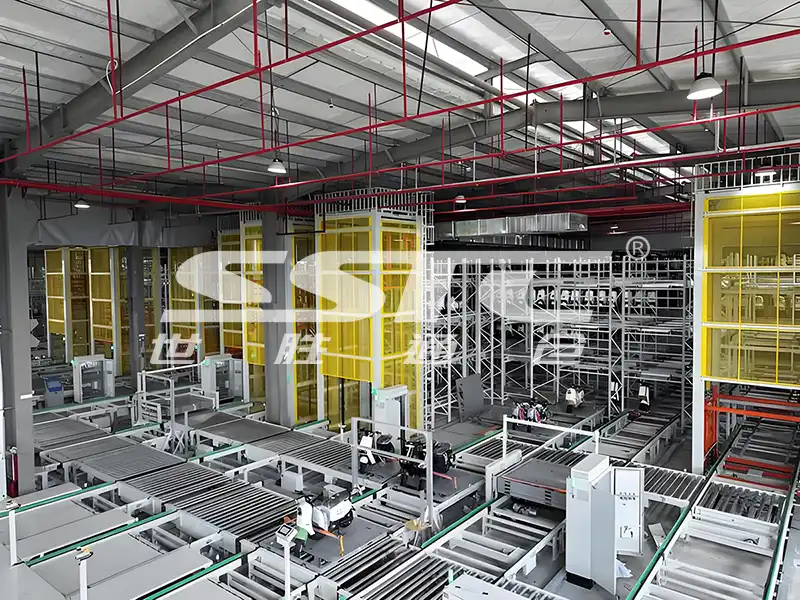
Once registered in the Warehouse Management System (WMS), the pallet is transferred to the vertical lift (tier-transfer elevator) stationed at the face of the high-density racking block. The elevator transports the pallet to the designated storage tier in seconds. A waiting robotic shuttle receives the pallet onto its integrated lifting deck.
Step 3: Omnidirectional Lane Placement
Utilizing its dual-wheel kinematic architecture, the shuttle navigates along cross-aisles using transverse wheels, shifts to longitudinal drive wheels, and glides smoothly into the deep storage channel. It deposits the pallet securely onto the modular racking profile and retracts. Because the entire storage block is densely packed with zero wasted aisle space, the refrigeration volume per stored pallet is slashed by up to 50%, dramatically improving thermal efficiency.
Step 4: Outbound Retrieval and Staging
When an order triggers a pick request, the execution sequence reverses. The WCS dispatches the nearest available shuttle to extract the pallet, transfer it to the vertical lift, and route it to the outbound staging dock via enclosed conveyor spurs. Throughout this cycle, cold air containment is maximized, and energy loss is minimized.
4. Resolving Critical Cold Chain Pain Points and Energy Inefficiencies
Soğuk hava deposu için gelişmiş bir asrs mekik sisteminin kullanılması, soğuk zincir operatörlerinin karşılaştığı birincil operasyonel ve finansal yükleri doğrudan hedef alır ve çözer.
Kübik Termal Yoğunluğun Maksimuma Çıkarılması
Geniş forklift açıklık koridorlarını ortadan kaldırarak, Sistem, boş soğutulmuş hava sahasını yoğun modüler raf bloklarıyla değiştiriyor. Bu hacimsel optimizasyon, 80% ile 90% alan kullanımı, aynı fiziksel bina zarfı içerisinde depolama kapasitesinin etkili bir şekilde iki katına çıkarılması. Küresel tedarik zinciri ve soğutma yeniliklerini takip eden kuruluşların yayınladığı sektör analizlerine göre, mesela Malzeme Taşıma Endüstrisi (MHI), Soğuk zincirlerde yüksek yoğunluklu otomatik depolamaya geçiş anında verim sağlar, Depolanan palet başına kilowatt saat tüketiminde ölçülebilir azalmalar.
Don Birikimi ve HVAC Yük Ani Artışlarının Ortadan Kaldırılması
Because human-driven forklifts are eliminated from the storage zone, freezer doors no longer need to remain wide open for prolonged periods. The reduction in warm air infiltration drastically curtails internal humidity levels, preventing frost buildup on evaporator coils and minimizing energy-heavy defrost cycles.
Eliminating Product Spoilage and Stock Expiration
In manual cold storage, stock rotation (FIFO – First-In, İlk Çıkış) is notoriously difficult to enforce in deep drive-in racks, leading to spoiled inventory or expired goods. The software-guided execution of the SSTC system guarantees absolute inventory traceability and strict FIFO management, safeguarding perishable food, eczacılık, and chemical compounds.
5. Yazılım Düzenleme: The Intelligent Core of Sub-Zero Automation
Hardware resilience in sub-zero environments must be matched by sophisticated software intelligence. The SSTC system operates via an advanced Warehouse Management System (WMS) and Warehouse Control System (WCS) architecture tailored for cold chains.
Intelligent Slotting and Temperature Zone Management
The WMS analyzes inventory turnover velocity, expiration dates, and thermal sensitivity. High-turnover perishable items are assigned to locations nearest to vertical hoists and staging exits, while long-term frozen stock is stored deep within upper tiers.
Real-Time Fleet Coordination and Predictive Maintenance
Operating multiple autonomous shuttles within a sub-zero structural grid requires absolute positional accuracy. The WCS acts as the central air traffic controller, monitoring battery charge states, motor temperatures, and travel coordinates in real-time. By tracking mechanical wear indicators specifically affected by cold temperatures, the software executes predictive maintenance alerts before minor component friction can escalate into operational downtime.
For empirical studies on automated cold storage optimization and thermal efficiency models in logistics engineering, research publications hosted on platforms like ScienceDirect provide extensive technical documentation on low-temperature automated material handling systems.
6. Economic Evaluation: Total Cost of Ownership and ROI in Cold Chains
Capital allocation toward cold storage automation represents a strategic investment that delivers rapid, quantifiable financial returns when evaluated across total cost of ownership (TCO) vectors:
Massive Energy Savings: Soğutulmuş hacim gereksinimlerini azaltmak ve sıcak hava sızıntısını ortadan kaldırmak, HVAC hizmet harcamalarını 0 oranında azaltır. 30% ile 50%.
Gayrimenkul Maksimumlaştırması: Mevcut kapladığı alan dahilinde depolama yoğunluğunun iki katına çıkarılması, multimilyon dolarlık yeşil alan soğuk tesis inşaat maliyetlerinden kaçınılmasını sağlar.
İşgücü Maliyetinin Azaltılması: Dondurucuda manüel işçiliğin ortadan kaldırılması, işletmeleri soğuk lojistikteki ciddi iş gücü kıtlığından korurken, operasyonel işçilik masraflarını da büyük ölçüde azaltır.
Çözüm
Manuel soğutmalı depolamadan akıllı depolamaya geçiş, Yüksek yoğunluklu otomasyon, sıcaklık kontrollü tedarik zincirlerinde faaliyet gösteren işletmeler için temel bir stratejik zorunluluktur. Gelişmiş bir dağıtım yaparak asrs shuttle system for cold storage, Lojistik liderleri termodinamik engellerin üstesinden gelebilir, kamu hizmetleri giderlerini kısmak, emeğin aşırı soğuğa maruz kalmasını ortadan kaldırın, ve benzeri görülmemiş depolama yoğunluğuna ulaşın.
SSTC ile ortaklık, işletmelerin mühendislik uzmanlığı ve özel teknik destekle desteklenen özel soğuk zincir intralojistik çözümlerine erişmesini sağlar. SSTC ile soğuk depo operasyonel zorluklarınızı sürdürülebilir bir rekabet avantajına dönüştürün.
Sıkça Sorulan Sorular (SSS)
1. Çeyrek: Robotik servisler sıfırın altındaki dondurucu ortamlarda güvenilir pil performansını nasıl koruyor? (-25°C)?
A1: Mekikler soğuğa dayanıklı özel lityum demir fosfat kullanıyor (LiFePO4) akıllı termal yönetim sistemleri ve optimum hücre sıcaklıklarını koruyan ve güvenli rejeneratif şarjı mümkün kılan dahili ısıtma elemanlarıyla entegre edilmiş pil paketleri.
2. Çeyrek: Soğuk depolamaya yönelik bir asrs mekik sistemi, genel soğutma enerjisi maliyetlerini nasıl azaltır??
A2: Geniş forklift açıklık koridorlarını ortadan kaldırarak, sistem kübik depolama yoğunluğunu maksimuma çıkarır 90%, significantly shrinking the total refrigerated volume required per stored pallet and drastically cutting HVAC utility expenditures.
3. Çeyrek: Does the system support strict FIFO (İlk Giren, İlk Çıkış) inventory rotation for perishable goods?
A3: Evet. Governed by an advanced Warehouse Management System (WMS), the automated shuttle infrastructure enforces strict FIFO inventory tracking, ensuring complete material traceability and preventing product spoilage or expiration.
SSTC Contact Information
- Web sitesi: www.sstc-storage.com
- E-posta: [email protected] | [email protected]
- WhatsApp: +86-13671613032
For companies planning a new cold-chain warehouse, expanding existing refrigerated storage or evaluating automated pallet storage capacity, SSTC can assess the warehouse conditions, pallet profile, storage requirements and operating targets before developing the appropriate AS/RS configuration.