
 SSTC Intelligence Technology - 4-Way Shuttle Racking & AS/RS System Manufactuer

Architecting modern supply chain efficiency around an Intelligent AS/RS Warehouse transforms logistics facilities from static storage containers into high-density, high-throughput operational engines across global markets in 2026. For enterprises facing SKU proliferation, demand volatility, and rising real estate costs, automated vertical storage and software-driven material handling have become essential strategic priorities. Following MHI warehouse automation guidelines, integrated vertical machinery and intelligent software control bridge industrial hardware and data-driven logistics.
At SSTC Intelligence Technology, we engineer AS/RS warehouse ecosystems guided by four core pillars: Safe, Smart, Trustable, and Convenient. Our engineering teams help manufacturing plants, cold chain hubs, and regional distribution centers convert limited square footage into reliable, high-speed inventory capacity.
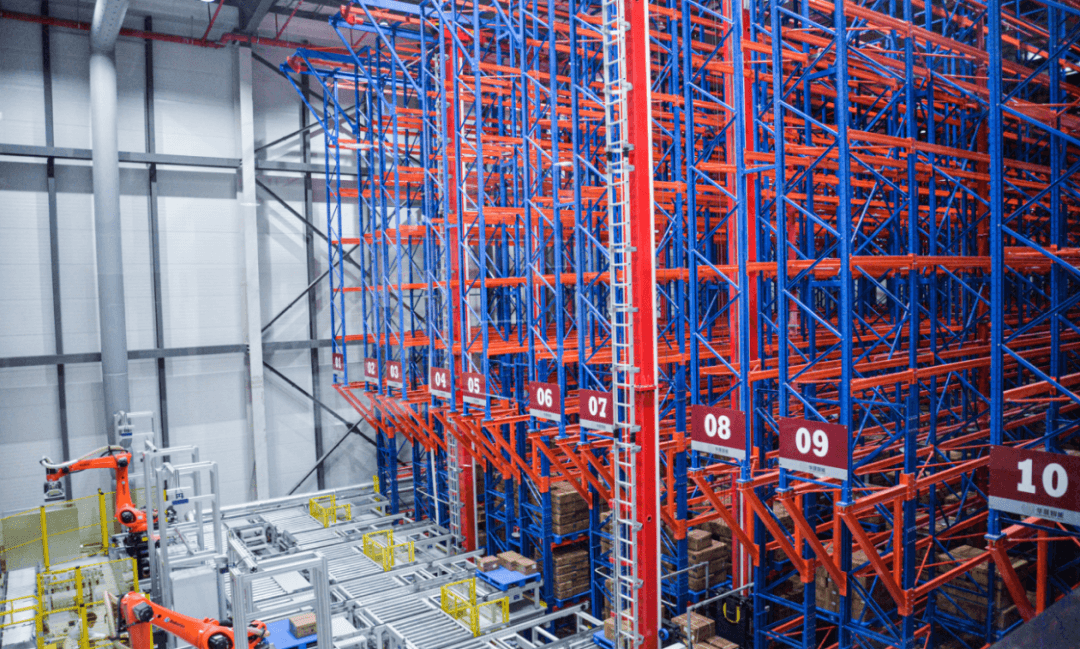
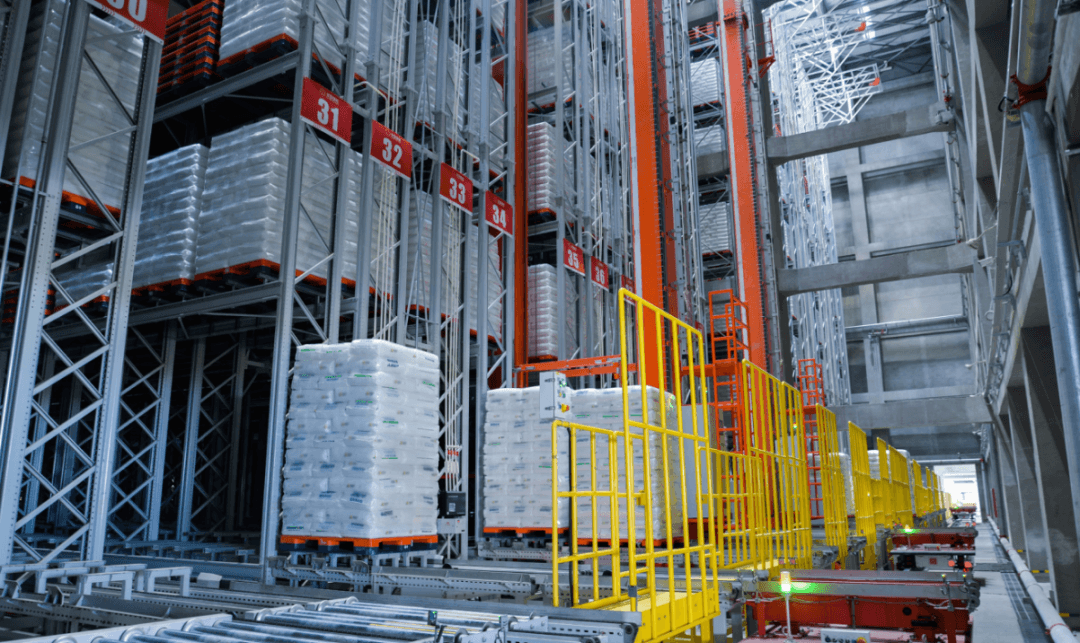
1. Core Components of High-Performance Automated Warehousing
Effective automated storage unites heavy structural racking, precision handling units, and synchronized control software so every pallet moves safely and predictably:
A. Racking, Stacker Crane & Shuttle Units
- High-Density Racking Structures: Engineered frames supporting Radio Shuttle Racking and Four-Way Pallet Shuttle Storage layouts without structural fatigue under continuous high-speed cycles.
- Stacker Crane & Four-Way Shuttles: Sub-millimeter pallet positioning in high-bay aisles alongside omnidirectional shuttle movement for dynamic lane access.
B. WMS/WCS Integration Layer
- Real-Time ERP & FIFO/LIFO Control: Warehouse Management System (WMS) and WMS/WCS software synchronize with enterprise ERP systems to track every pallet across strict FIFO or LIFO workflows.
- Continuous Conveyor & Lift Links: Lifter conveyor lines connect receiving stations, high-bay aisles, and shipping docks smoothly.
2. Economic Impact & ROI: Space, Speed, and Accuracy
Evaluated across Total Cost of Ownership (TCO), an Intelligent AS/RS Warehouse delivers compounding returns across real estate, throughput, and inventory control. Research published in MDPI industrial engineering studies demonstrates that compact vertical storage and automated handling lower energy intensity per stored unit across high-density facilities.
Rather than paying repeatedly for land expansion or enduring picking mismatches, automated storage aligns pallet velocity with outbound shipping demand while maintaining clear auditability across every storage tier.
| ROI Driver | Traditional Manual Operations | Automated High-Bay Storage |
|---|---|---|
| Space Optimization | Wide forklift aisles limit vertical and floor density | Up to 80% higher vertical storage density |
| Throughput & Cycle Time | Operator fatigue and variable travel speeds | Consistent 24/7 throughput and faster dock dispatch |
| Inventory Accuracy | Manual misplacement and periodic stocktake overhead | 99.9%+ accuracy via automated location mapping |
3. Vertical Industry Expertise & Lifecycle Partnership
SSTC Intelligence Technology tailors every Intelligent AS/RS Warehouse deployment to demanding industrial operating conditions while supporting full project lifecycles from ROI modeling and compliance engineering to installation, maintenance, and modular expansion:
- Building Materials: High-capacity structural racking and FEA-verified load frames engineered for heavy, bulky tiles, flooring, and construction components.
- Cold Storage: Condenses chilled air volume inside temperature-controlled zones while automated cranes and shuttles operate reliably down to -25°C where manual work becomes difficult.
- Home Appliances: Smooth acceleration and deceleration profiles protect large, delicate appliance packaging and surface finishes from handling impacts.
- Modular Lifecycle Scalability: Modular aisles, crane fleets, shuttle carriers, and software modules expand smoothly as SKU counts and order volumes grow over coming decades.
4. Structured Implementation Roadmap
Deploying an Intelligent AS/RS Warehouse follows disciplined engineering stages that protect capital expenditure and minimize operational disruption:
- Step 1 — Site & SKU Assessment: Evaluate building clear height, floor load limits, pallet dimensions, and seasonal order peaks.
- Step 2 — Simulation & Structural Design: Model hourly put-away and retrieval cycles alongside structural rack engineering prior to fabrication.
- Step 3 — Turnkey Installation & Integration: Complete mechanical erection, safety interlock testing, and WMS/WCS/ERP data synchronization.
- Step 4 — Commissioning & Ongoing Support: Train onsite teams and provide continuous technical service and diagnostics for long-term uptime.
Architect Your Next-Generation Facility With SSTC
Explore our 2026 Logistics Automation Guide and consult our engineering team for site evaluation, throughput modeling, and custom Intelligent AS/RS Warehouse proposals:
- Official Website: www.sstc-storage.com
- Email Consultation: [email protected] | [email protected]
- WhatsApp / Phone: +86-13671613032