Профессиональный поставщик решений для хранения данных высокой плотности в Китае


| Автоматизированная система хранения и поиска SSTC, работающая на современном складе химикатов и современных материалов.Китайский/CN

Four-Way Shuttle Storage System Is A New Type Of Shuttle AS/RS

The Future Insights of Warehouse Automation: Why Four-Way Shuttle Storage System is Revolutionizing Storage Efficiency of Shuttle AS/RS?

1. Basic Definition and Technological Evolution

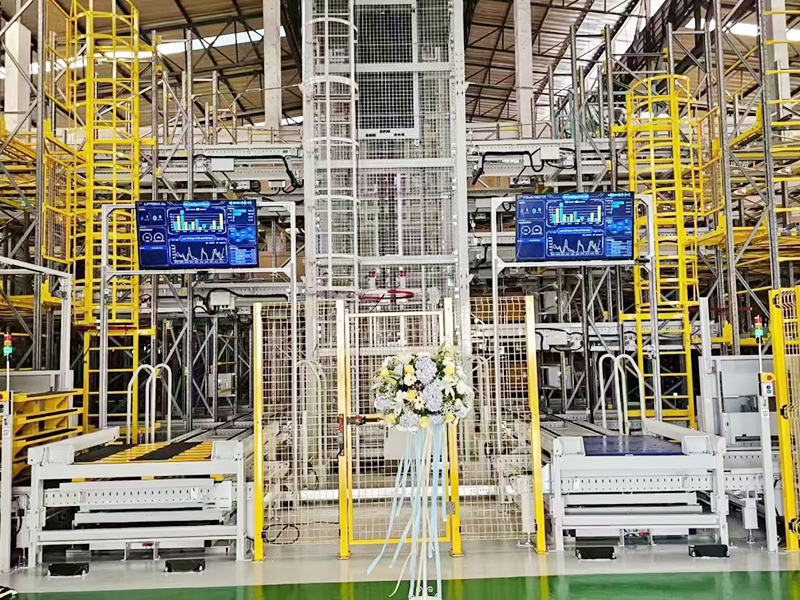
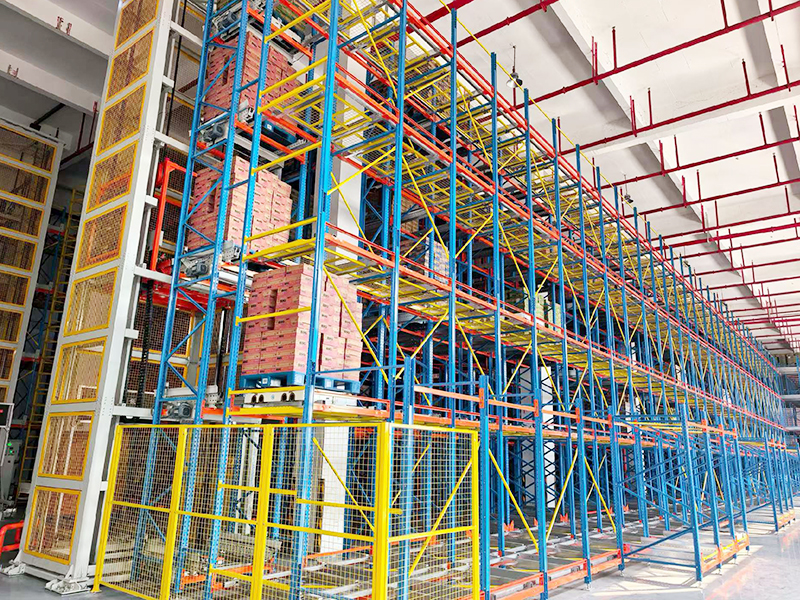
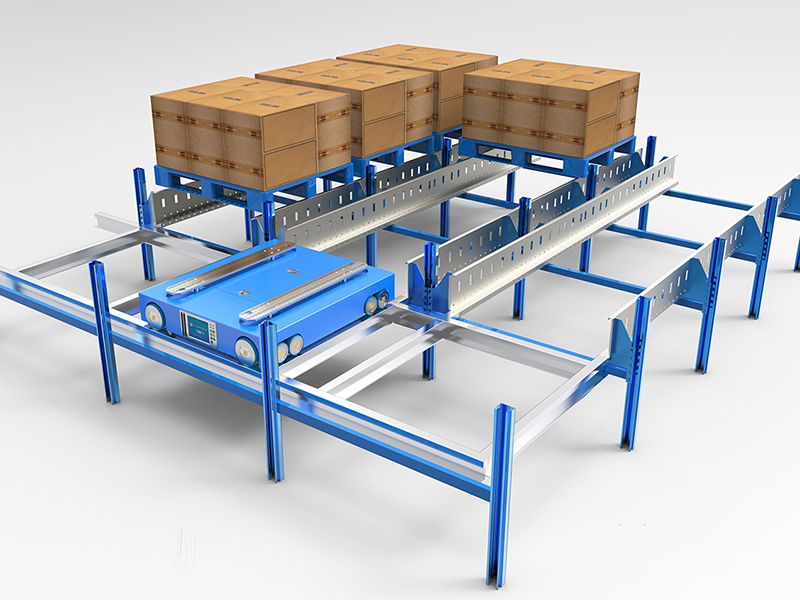
Four-way shuttle Storage System is an advanced automated storage and retrieval system (АС/РС, or called ) that employs self-guided robotic shuttles capable of omnidirectional movement (X/Y/Z axes) within a high density storage racking structure.

Unlike traditional AS/RS systems limited to fixed aisles, this technology eliminates wasted space by enabling shuttles to navigate freely, increasing storage density by up to 50%.

Historical Context:

— 2010s: Early shuttle systems operated in single-direction (horizontal or vertical).

— 2020s: Integration of AI and IoT enabled multi-directional movement and real-time coordination.

— Present: Hybrid energy systems (например, hydrogen fuel cells) and 5G connectivity are pushing boundaries further.

4 Way Shuttle Racking 2026020308
4 Way Shuttle Racking 2026020301

2. Application Scenarios and Industry-Specific Benefits

The versatility of the four-way shuttle system makes it indispensable across industries:

2.1 E-commerce Fulfillment Centers

— Challenge: Rapid SKU turnover and peak-season demand surges.

— Solution: AI-optimized shuttles reduce order processing time by 60%, enabling same-day shipping even during Black Friday sales.

2.2 Cold Chain Logistics

— Challenge: Maintaining temperature integrity while maximizing storage.

— Solution: Shuttles operate reliably at -25°C, with humidity-resistant materials ensuring 99.9% uptime.

2.3 Automotive Manufacturing

— Challenge: Just-in-time parts delivery without overstocking.

— Solution: Real-time inventory tracking via IoT sensors reduces buffer stock by 30%.

2.4 Pharmaceutical Warehouses

— Challenge: Regulatory compliance and batch traceability.

— Solution: Blockchain-integrated shuttles log every movement, ensuring audit-ready documentation.

sixiangceh2
4 Way Shuttle Racking 2026020306

3. Core Technologies and Competitive Advantages

3.1 Omnidirectional Mobility

— Servo-Driven Wheels: Allow 360° movement with 1mm precision.

— Navigation: Combines laser SLAM (Simultaneous Localization and Mapping) and QR code recognition for collision-free operations.

3.2 AI-Powered Orchestration

— Dynamic Task Allocation: Machine learning algorithms prioritize tasks based on urgency and energy efficiency.

— Swarm Intelligence: Multiple shuttles collaborate seamlessly, akin to ant colony optimization.

3.3 Energy and Safety Innovations

— Supercapacitor Backup: Ensures continuous operation during power outages.

— Collision Avoidance: LiDAR sensors and emergency brakes reduce accident risks by 95%.

— Comparison with Traditional AS/RS:

Feature

Четырехсторонний шаттл

Traditional AS/RS

Storage Density

50% higher

Fixed aisles

Flexibility

Modular scalability

Rigid structure

Energy Consumption

25% lower

High

ROI Period

2-3 years

5+ years

3.4 Sustainability Features

— Energy Recovery Systems: Kinetic energy from shuttle deceleration is converted to electricity, reducing grid dependency by 15%.

— Recyclable Materials: Racking structures use 90% recycled steel, aligning with circular economy principles.

4. Implementation Strategies and Best Practices

For businesses planning adoption, consider these steps:

4.1 Pre-Installation Assessment

— Space Audit: Use 3D modeling tools to optimize rack layout.

— Cost-Benefit Analysis: Calculate ROI based on labor savings (up to 80%) and storage gains.

4.2 Integration with Existing Systems

— WMS Compatibility: Ensure seamless data flow between shuttles and Warehouse Management Software.

— Staff Training: Focus on AI interface navigation and emergency protocols.

4.3 Maintenance Protocols

— Daily Checks: Sensor calibration, battery health monitoring.

— Predictive Maintenance: AI alerts for component wear (например, motor lifespan: 10,000 hours).

4.4 Risk Mitigation

— Contingency Planning: Dual-control shuttles (manual override) ensure operations during system updates.

— Insurance Coverage: Partner with insurers specializing in automation to cover cyber-attack and hardware failure risks.

5. Case Study: Transforming a Mexican Personal Care Giant

— Client Profile:

Industry: Personal Care Manufacturing

Challenges: 40% space utilization, 20% labor cost overruns.

— Solution Deployed:

Customized Racking: Earthquake-resistant design (1.5-ton capacity per layer).

Energy-Safe Shuttles: Reduced power consumption by 30% via smart standby modes.

— Results:

Storage Density: Increased from 4,000 к 6,000 pallets (+150%).

Throughput: 500 pallets/day with 80% fewer workers.

ROI Achieved: 2.5 years.

Client Feedback:

«The system not only solved our space crunch but also set a benchmark for our global operations.»

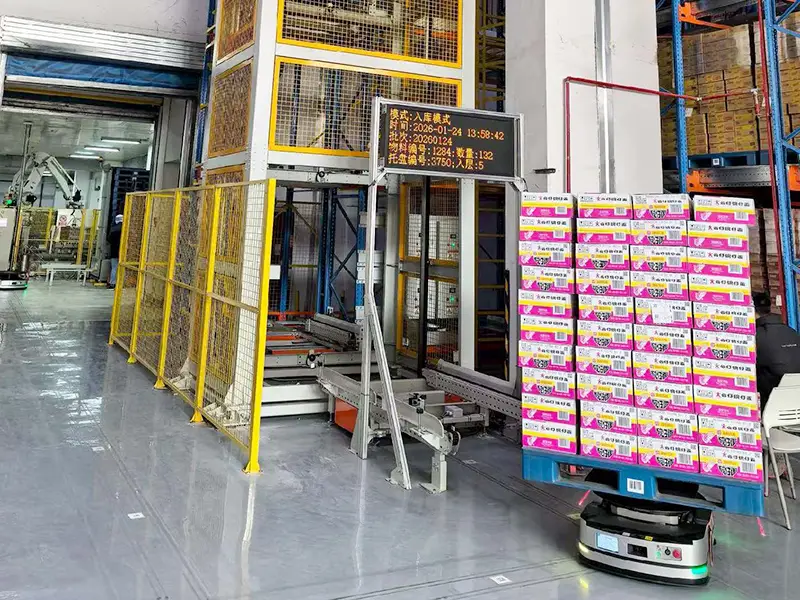
Post-implementation warehouse layout

Source: Client-provided data, 2023.

6. Future Outlook and Emerging Trends

The four-way shuttle system is poised to evolve with:

6.1 Hydrogen Energy Integration

Benefit: Zero-emission operations, critical for EU sustainability mandates.

6.2 5G-Enabled IoT Coordination

Impact: Latency reduced to <1ms, enabling real-time inventory updates.

6.3 Predictive Analytics

— Example: AI forecasting seasonal demand spikes, pre-positioning goods autonomously.

— Market Projections:

By 2030, the global shuttle system market will reach $12.7B (CAGR 9.8%, Allied Market Research).

6.4 Cross-Industry Adoption

— Food & Beverage: A European dairy company reduced spoilage by 40% through AI-driven FIFO (First-In-First-Out) shuttle prioritization.

— Aerospace: Boeing’s parts warehouse achieved 99.8% retrieval accuracy using 5G-enabled shuttles.

7. Заключение

The four-way shuttle rack system is not merely a tool but a strategic asset for modern logistics. From slashing labor costs to enabling sustainable operations, its impact is profound and far-reaching. As industries grapple with rising consumer expectations and ESG pressures, adopting this technology will be pivotal in building resilient, future-ready supply chains.


Предыдущий:

Следующий:

Оставить сообщение