O fornecedor profissional de fabricação de soluções de armazenamento de alta densidade na China


| Sistema automatizado de armazenamento e recuperação SSTC operando em uma instalação moderna de armazenamento de produtos químicos e materiais avançadosChinês/CN

WCS - Warehouse Control System | Tecnologia de Inteligência SSTC (Shandong) Co., Ltda.

Programas/

WCS

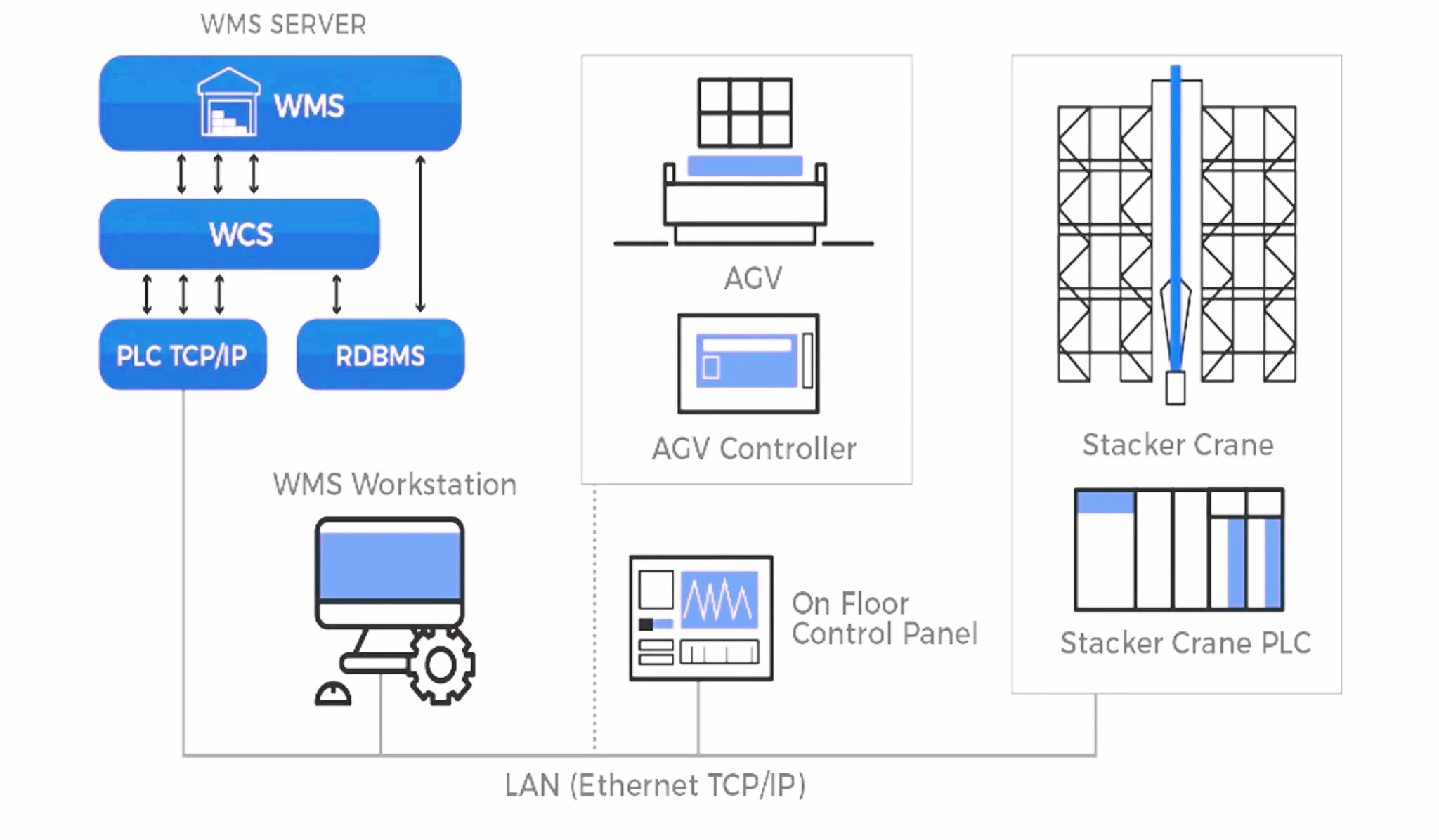
Warehouse Control System (WCS) serves as the real-time execution engine that bridges upper-level enterprise software and physical automated material handling equipment. Positioned directly beneath the warehouse management system, SSTC WCS orchestrates deterministic task sequencing to direct stacker cranes, automated guided vehicles, transportadores, and sortation subsystems from receiving bays to final shipping docks with maximum precision.

Key Features & System Advantages:

  • Real-Time Equipment Orchestration: Directs multi-vendor automated hardware simultaneously to maintain continuous, fluid material flow.

  • Deterministic Task Sequencing: Executes precise pick, put-away, and transport commands in exact chronological order to eliminate bottlenecks.

  • Seamless Subsystem Integration: Interfaces smoothly with high-speed conveyors, AS/RS cranes, industrial robots, and mobile AGVs.

  • Dynamic Exception Handling: Detects mechanical anomalies instantly, rerouting traffic dynamically to safeguard overall operational continuity.

  • Optimized Throughput Management: Maximizes system utilization and cycle speeds to ensure high-volume distribution centers meet strict fulfillment windows.

  • Detalhes do produto

Warehouse Control System: Unified Industrial Automation Execution
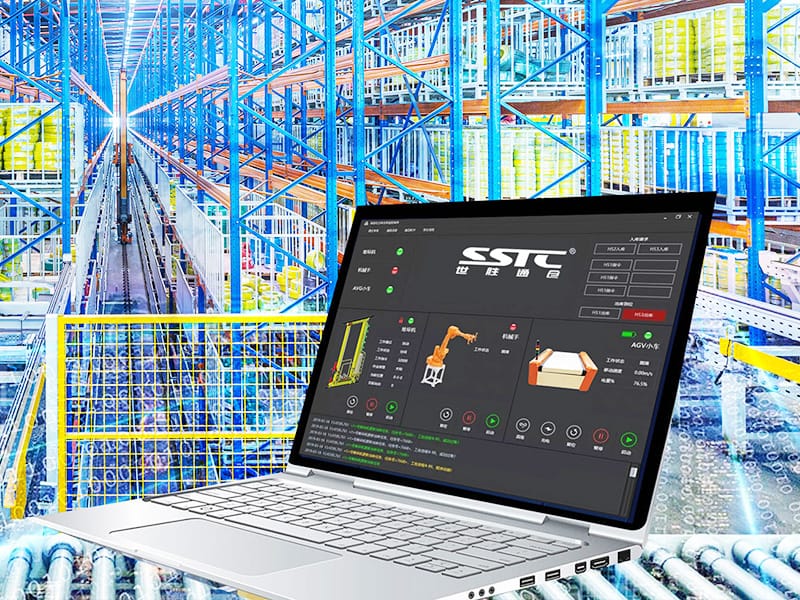
SSTC warehouse control system WCS architecture dashboard managing real-time automated equipment workflows

Warehouse Control System (WCS) developed by SSTC serves as the critical execution layer for modern automated facilities. Acting as the essential bridge between high-level management software and physical hardware, our platform provides sub-millisecond responsiveness in complex storage environments. By translating dispatching commands into precise machine movements, software orchestrates stacker cranes, four-way shuttles, and high-speed conveyor lines to operate at peak potential.

For enterprises coordinating execution layers with broader management software, review our WMS solutions to see how our software suites integrate for total inventory and equipment visibility.

Flexible Host & PLC Integration

Platform supports diverse interface options for seamless communication with multiple Host systems, including FTP, TCP/IP Sockets, ODBC, Shared Tables, and Web Services, plus custom interface development.

It intelligently aggregates external data and disseminates it to floor-level controllers such as PLCs, servers, or PCs via advanced OPC (Open Platform Communication) programas.

System Maturity Tiers

Framework provides progressive operational tiers to support automation scaling:

Equipment Level: Basic signal and motor loops; Optimization Level: Throughput and energy path analytics; Integrated Level: IoT data exchange and predictive maintenance simulation.

Key Operational Advantages

■ Deterministic Task Sequencing: Directs multi-vendor automated hardware simultaneously, routing items flawlessly from receiving bays to shipping docks.
■ Precision-Critical Routing: Manages sorter lane assignments, pass/fail logic for reject diverters, and complex routing with millisecond accuracy.
■ Real-Time Diagnostic Monitoring: Proactively reports equipment health, duty cycles, and communication alerts to support preventative maintenance workflows.
■ High-Availability Stability: Offloads time-critical IO signals and sensor feedback loops from upper management layers to guarantee 24/7 confiabilidade.

Strategic Automation Synergy

According to insights from Forbes, transitioning to centralized execution architecture is the primary driver of hardware-software synergy in industrial logistics.

Academic & Industrial Standards

To review underlying automation and control concepts, reference resources such as related automation architecture guides.

Ready to Maximize Your Automation Hardware Efficiency?

Explore our solutions gallery to view real-world mechanical integrations, or check our technical data sheets for detailed protocol specifications.
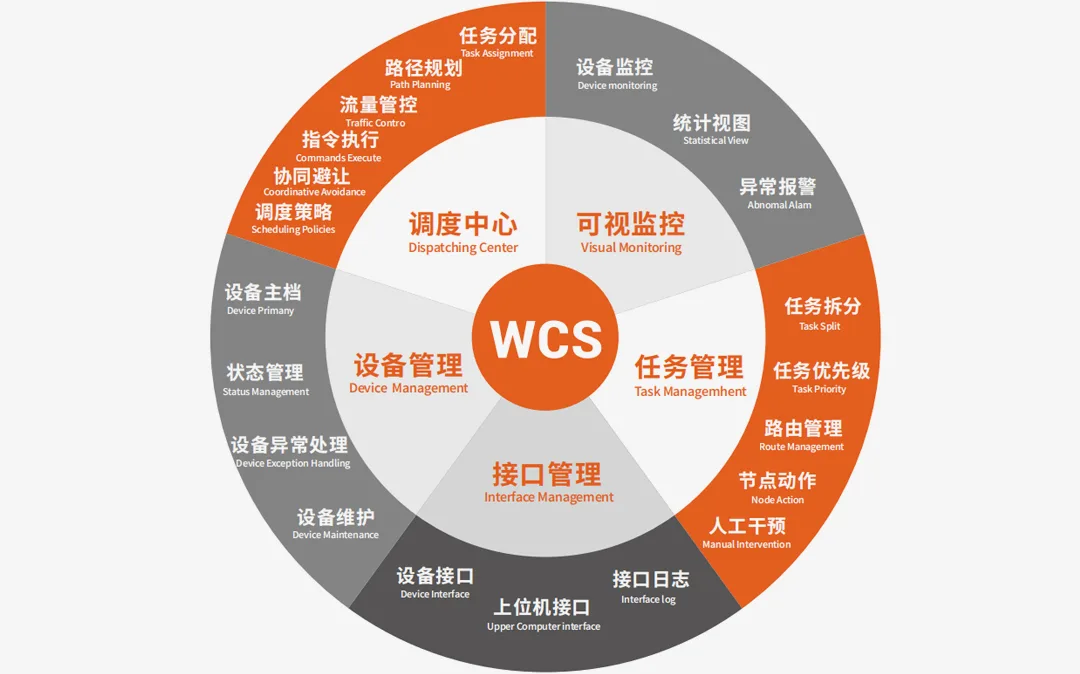
SSTC warehouse control system WCS architecture routing material flow between host software and automated equipment controllers

Perguntas frequentes

Q: How does SSTC WCS bridge the gap between upper-level WMS software and floor-level hardware?

Warehouse Control System (WCS) acts as the critical real-time execution layer positioned directly beneath the WMS. It translates abstract inventory and order instructions into deterministic, sub-millisecond machine commands for automated stacker cranes, transportadores, and sorting subsystems.

Q: What communication protocols and interfaces are supported for PLC and Host system integration?

Platform supports diverse interface standards for seamless connectivity, including FTP, TCP/IP Sockets, ODBC, Shared Tables, and Web Services, alongside custom development. Furthermore, advanced OPC (Open Platform Communication) software is integrated for direct, real-time interaction with industrial PLCs and floor controllers.

Q: How does SSTC WCS manage deterministic task sequencing and complex equipment routing?

Software intelligently aggregates data to govern precise product routing—such as assigning sorter lanes, executing pass/fail logic for reject diverters, and preventing deadlocks across multi-zone conveyors. This ensures flawless multi-vendor equipment synchronization during peak operational throughput.

Q: What diagnostic and monitoring features are included to prevent unexpected mechanical downtime?

System incorporates active diagnostic monitoring modules that continuously oversee equipment health, IO signals, and communication loops. By flagging potential bottlenecks and mechanical anomalies instantly, software supports proactive preventative maintenance workflows for uninterrupted 24/7 operations.

Deixe um recado