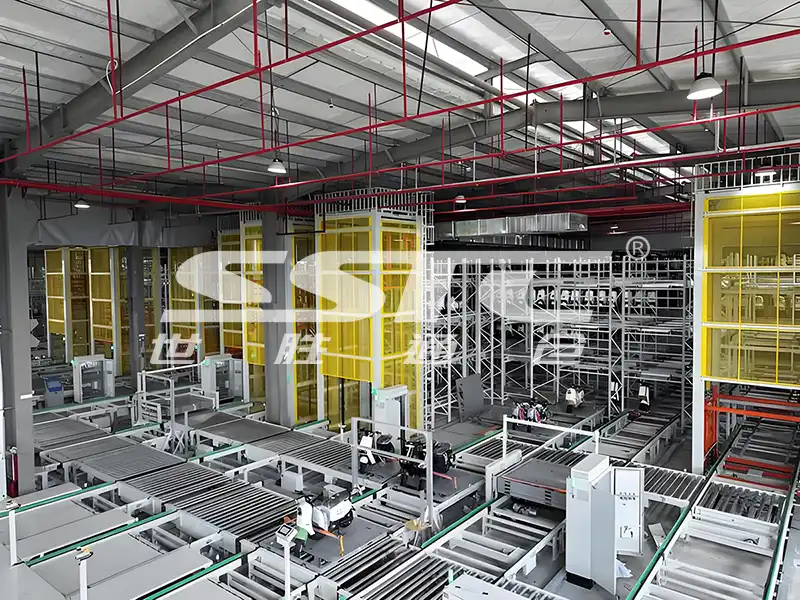
Tecnologia de Inteligência SSTC - 4-Fabricante de racks de transporte e sistema AS/RS

No cenário contemporâneo da logística global com temperatura controlada, industrial real estate expenditures and soaring commercial refrigeration energy expenses have converged into a formidable financial challenge for supply chain executives. For cold chain operators, distribuidores de alimentos congelados, and pharmaceutical warehousing directors managing deep-freeze facilities at -25°C or lower, every cubic meter of unoccupied airspace represents an economic drain—manifested as wasted refrigeration capacity, inflated utility overhead, and compromised operational margins. Traditional low-density storage configurations, which rely on conventional selective pallet racking serviced by manual reach trucks or cumbersome wide-aisle equipment, are fundamentally unequipped to satisfy the volumetric and thermal demands of modern cold supply chains. As land acquisition costs escalate and cold storage construction expenses routinely triple those of ambient distribution centers, maximizing cubic storage density while shielding human operators from hazardous sub-zero environments has become an absolute operational priority.
Amidst this high-stakes industrial transformation, Armazenamento de transporte de paletes de quatro vias has established itself as the definitive technological breakthrough for cold storage and temperature-controlled logistics automation. Defined as an advanced material handling ecosystem where intelligent robotic carriers travel orthogonally across storage channels and cross-aisles without requiring fixed crane masts, um Armazenamento de transporte de paletes de quatro vias installation eliminates redundant service corridors and compresses up to 90% of available cubic volume into active, thermally managed inventory capacity. For multinational corporations and enterprise buyers seeking uncompromising structural reliability, factory-direct pricing, and guaranteed sub-zero endurance, partnering with a trusted manufacturing partner is paramount. Engineered for extreme thermal contraction resistance, mechanical precision, and maximum capital return, o avançado Armazenamento de transporte de paletes de quatro vias soluções fornecidas por Inteligência SSTC (Shisheng Tongcang) represent the pinnacle of modern cold logistics engineering. Operating as an established direct manufacturer and custom-engineered solution provider, SSTC Intelligence elimina marcações intermediárias, delivering tailor-made automated cold storage ecosystems from initial thermodynamic simulation to final on-site commissioning. This comprehensive industrial report examines the unique thermodynamic and mechanical demands of cold chain automation, analisa o 2026 global cold storage application landscape with verified institutional research data, details regional adoption across Southeast Asia, and maps out the strategic growth trajectory through 2031.
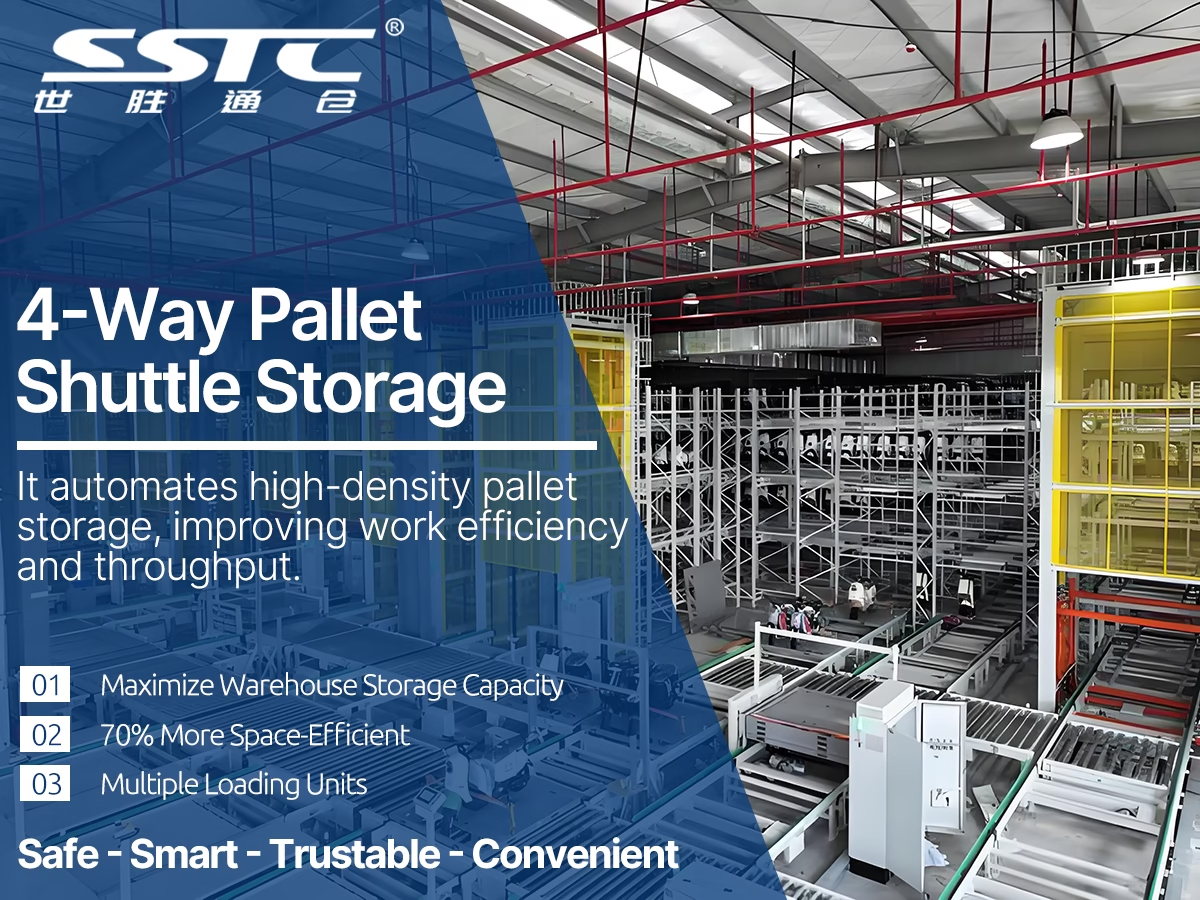
Part 1: The Thermodynamic and Economic Diagnostic of Modern Cold Storage
To understand why enterprise cold chain buyers are aggressively replacing legacy infrastructure with Armazenamento de transporte de paletes de quatro vias, one must first diagnose the severe inefficiencies plaguing conventional low-density refrigeration facilities.
1. The Cost of Empty Airspace in Sub-Zero Environments
Maintaining a commercial freezer at -25°C requires immense electrical power for compressor racks, evaporator fans, and thermal insulation barriers. In a traditional warehouse layout where wide forklift aisles account for 40% para 50% of the total floor plan, operators are essentially paying to refrigerate empty air. Além disso, every time a forklift operator opens a freezer door or navigates a wide corridor, massive thermal exchange occurs, forcing refrigeration systems to work overtime and driving energy overhead to unsustainable levels.
2. Human Capital Constraints and Harsh Operating Conditions
Working in a -25°C deep-freeze environment is physically punishing. High labor turnover, mandatory thermal rotation breaks, reduced manual dexterity caused by heavy protective gear, and the heightened risk of product damage or workplace accidents create persistent operational bottlenecks. Automated storage systems remove human personnel from the deep-freeze core entirely, ensuring uninterrupted 24/7 throughput without health hazards or safety liabilities.
3. The SSTC Intelligence Thermal Engineering Advantage
As an established direct manufacturer, SSTC Intelligence designs cold storage racking and robotic grids specifically tailored to withstand extreme thermal contraction and expansion forces. By eliminating aisles and consolidating inventory into dense blocks, our systems reduce the refrigerated cubic footprint by up to 60%, drastically cutting down energy consumption per pallet position.
To explore detailed engineering blueprints, especificações técnicas, and project portfolios of our specialized sub-zero systems, visita Armazenamento SSTC e nosso portal regional SSTC China.
Part 2: Mechanical Subsystems and Sub-Zero Engineering of Four Way Shuttles
Deploying automated robotics in sub-zero freezers requires far more than standard commercial hardware; it demands specialized materials engineering and rigorous thermal testing.
1. Sub-Zero Battery Chemistry and Thermal Management
Standard lithium-ion batteries suffer severe capacity degradation and internal short-circuit risks when operated below freezing. SSTC Intelligence equips its sub-zero four-way shuttles with specialized lithium iron phosphate (LiFePO4) cells integrated with intelligent thermal management blankets, eletrônicos preparados para o inverno, and automated low-temperature charging docks positioned in tempered buffer zones.
2. Anti-Condensation Metallurgy and Precision Kinematics
When automated carriers transition between sub-zero storage zones and tempered staging areas, condensation formation is a primary mechanical hazard. Our engineering teams utilize specialized anti-corrosion coatings, sealed waterproof optical encoders, and low-temperature synthetic lubricants to prevent frost crystallization, ensuring flawless multi-directional movement and reliable vertical elevator transfers.
Part 3: O 2026 Global Cold Chain & Cold Storage Application Matrix
The global cold chain logistics market is expanding rapidly, projected to reach over USD 340 bilhão por 2026, driven by soaring consumer demand for perishable foods, frozen proteins, and temperature-sensitive biological pharmaceuticals.
To provide enterprise decision-makers with certified empirical data, the following matrix outlines the 2026 global application landscape and operational drivers for Armazenamento de transporte de paletes de quatro vias within cold chain sectors, supported by leading institutional research references:
Mesa 1: Global Cold Storage & Cold Chain Application Matrix (2026)
| Cold Chain Sector | Implantação primária de ônibus de quatro vias | 2026 Dinâmica de Mercado & Drivers Operacionais | Key Thermal & Regulatory Standards | Referência de fonte de pesquisa profissional |
| Deep-Freeze Cold Storage (-25°C) | Ônibus abaixo de zero, High-Density Racking Blocks, Vertical Hoists | Compressing facility footprints by 90% to slash skyrocketing commercial refrigeration electricity bills. | APPCC, ISO 22000, EM 15629, GB/T 22532 | Mordor Intelligence Cold Chain Report |
| Farmacêutico & Vaccine Freezers | Cleanroom-Compatible Freezing Grids, Serialized Mini-Load Buffers | Strict temperature validation (+2°C to -80°C), zero-error traceability, and compliance with stringent healthcare mandates. | BPF, FDA 21 Parte CFR 11, ISO 14644, WHO Guidelines | Aliança Global da Cadeia de Frio (GCCA) Percepções |
| Food Processing & Protein Distribution | Blast Freezer Buffering Shuttles, Multi-Tier Staging Grids | Rapid post-processing inventory turnover, strict FIFO inventory control, and elimination of manual handling in sub-zero zones. | ISO 9001, Certificação CE, EM 15512 | ScienceDirect Cold Logistics Repository |
| E-Commerce Grocery & Dark Freezers | High-Velocity Shuttle Fleets, Goods-to-Person Freezing Stations | Managing omnichannel frozen grocery fulfillment, high-frequency picking, and extreme seasonal surges. | APPCC, UL Listed Components, ISO 9001 | Mordor Intelligence ASRS Market |
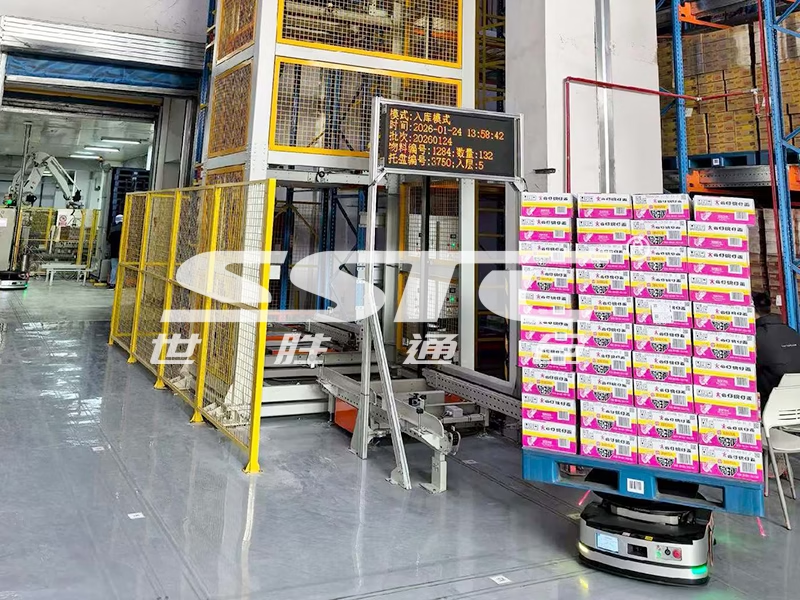
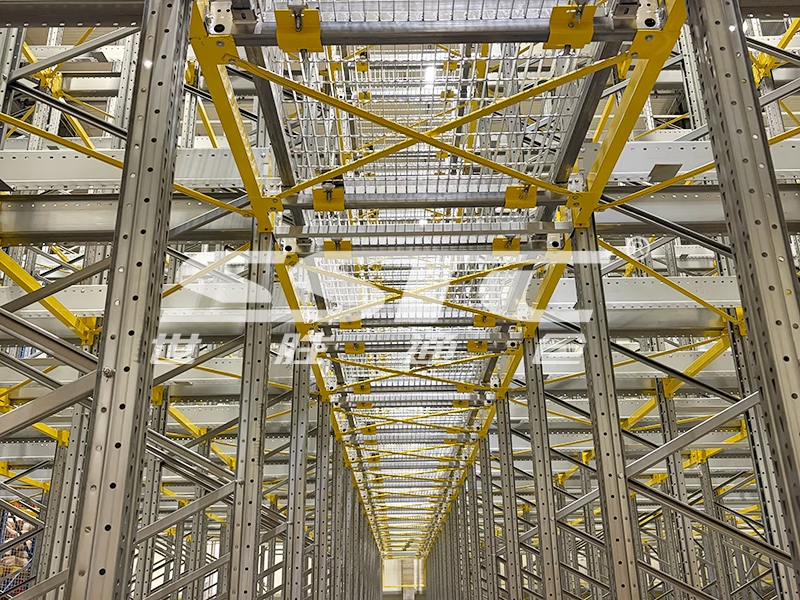
Part 4: Destaque regional: Cold Chain Transformation Across Southeast Asia (2026–2031)
Southeast Asia’s burgeoning middle class, rapid urbanization, and exponential growth in modern organized retail have triggered a massive boom in cold chain infrastructure development. As tropical climates demand rigorous temperature-controlled distribution networks, ASEAN nations are aggressively modernizing their cold logistics corridors.
1. Cingapura: High-Tech Biomedical and Perishable Hubs
Paisagem Atual (2026): As a premier biomedical and perishable food import hub, Singapore faces severe land constraints. Cold storage facilities in Jurong and Tuas rely exclusively on ultra-high-density Armazenamento de transporte de paletes de quatro vias systems to maximize vertical storage capacity and maintain strict pharmaceutical temperature validations.
5-Perspectiva do ano (2026–2031): Backed by government-backed Smart Nation incentives, Singapore’s cold chain sector will achieve near-complete automation, integrating predictive thermal monitoring and digital twin simulations.
2. Tailândia: The Regional Cold Chain Anchor in the EEC
Paisagem Atual (2026): Thailand serves as the agricultural and food processing powerhouse of Southeast Asia. O Corredor Económico Oriental (CEE) hosts state-of-the-art cold storage complexes utilizing heavy-duty automated shuttle systems to handle massive seafood, poultry, and fruit export volumes.
5-Perspectiva do ano (2026–2031): Driven by the Thailand 4.0 strategy, demand for automated cold storage solutions will surge at a CAGR exceeding 9.5%, as agribusinesses eliminate perishable supply chain losses.
3. Malásia: Halal Food Export and Cold Logistics Expansion
Paisagem Atual (2026): Malaysia has emerged as a global hub for Halal food manufacturing and distribution. Klang Valley and Johor logistics parks are rapidly deploying temperature-controlled shuttle grids to manage certified food exports under stringent hygiene and thermal standards.
5-Perspectiva do ano (2026–2031): Supported by the National Industrial Master Plan (NIMP), Malaysian cold chain operators will increasingly adopt touchless, automated warehousing to overcome chronic labor shortages.
4. Indonésia: Archipelago Cold Chain Modernization and FMCG Growth
Paisagem Atual (2026): As Indonesia’s domestic consumer market expands, the demand for refrigerated distribution centers around Jakarta and Surabaya has skyrocketed. Cold chain logistics is critical for bridging the geographical spans of the archipelago.
5-Perspectiva do ano (2026–2031): Infrastructure decentralization will drive robust double-digit growth for automated cold storage racking and sub-zero shuttle systems, significantly reducing national food spoilage rates.
5. Vietnã: Seafood Processing and Export Staging Automation
Paisagem Atual (2026): Vietnam is a dominant global exporter of seafood and agricultural commodities. Industrial parks in the Mekong Delta and southern provinces are adopting modular cold storage automation to manage high-throughput blast freezing and staging.
5-Perspectiva do ano (2026–2031): Capital expenditure on turnkey automated cold storage will accelerate as Vietnamese processors transition from labor-intensive cold rooms to fully automated, energy-efficient facilities.
6. Filipinas: Retail Cold Chain and Pharmaceutical Distribution Evolution
Paisagem Atual (2026): The Philippines is experiencing rapid expansion in modern supermarket retail and healthcare distribution. Metro Manila’s logistics corridors are upgrading regional cold storage facilities to handle imported perishables and temperature-sensitive medicines.
5-Perspectiva do ano (2026–2031): Strategic investments in cold chain infrastructure will trigger widespread adoption of compact, flexível Armazenamento de transporte de paletes de quatro vias soluções projetadas para maximizar a pegada imobiliária urbana restrita.
Part 5: Future-Proofing Cold Logistics (2026–2031)
Olhando para frente através 2031, the intersection of automation and thermal engineering will introduce revolutionary capabilities to cold storage facilities:
AI-Driven Thermal Slotting: Advanced Warehouse Execution Systems (WES) will analyze inventory turnover velocity to position high-frequency items closer to thermal air curtains, minimizing the duration freezer access doors remain open.
Net-Zero Solar-Powered Refrigeration Microgrids: Cold storage operators will increasingly couple high-density automated racking with on-site rooftop solar arrays and battery energy storage systems (BESS) to offset daytime refrigeration energy spikes.
Autonomous Frost-Mitigation Robotics: Integration of automated cleaning and frost-scraping attachments on shuttle fleets will ensure maintenance-free operations in extreme sub-zero environments.
Conclusão: Partnering with SSTC Intelligence for Automated Cold Storage Excellence
Investir em um Armazenamento de transporte de paletes de quatro vias system for a sub-zero cold storage facility is a monumental strategic decision that defines enterprise profitability, energy efficiency, and operational resilience for decades. By pairing rigorous thermal engineering with direct manufacturing expertise, Inteligência SSTC (Shisheng Tongcang) ensures your cold chain warehouse is built on an uncompromised foundation of precision and reliability. As a trusted direct manufacturer and custom-engineered solution provider, SSTC Intelligence delivers world-class automated cold storage solutions tailored to your exact operational requirements—from engineering design to global deployment and lifetime support.
Perguntas frequentes (Perguntas frequentes)
1º trimestre: How does Four Way Pallet Shuttle Storage reduce energy costs in a -25°C cold storage warehouse?
A1: By eliminating wide forklift aisles and compressing storage blocks, Four Way Pallet Shuttle Storage reduces the refrigerated cubic volume of the warehouse by up to 60%, drastically cutting down the electrical energy required to run commercial refrigeration compressors and evaporators.
2º trimestre: How do SSTC Intelligence shuttles operate reliably under extreme sub-zero freezing conditions (-25°C)?
A2: Our sub-zero shuttles are equipped with specialized low-temperature lithium iron phosphate (LiFePO4) baterias, internal thermal heating blankets, metalurgia invernada, and anti-condensation seals to prevent frost accumulation and ensure continuous operation.
3º trimestre: Qual é o retorno típico do investimento (ROI) timeline for a cold storage automated shuttle installation?
A3: Due to massive energy savings from reduced cubic volume, complete elimination of deep-freeze labor constraints, and zero product damage, most industrial cold storage shuttle projects achieve full capital payback within 3 para 5 anos.
4º trimestre: Does SSTC Intelligence provide custom engineering and on-site installation support for overseas cold chain projects?
A4: Sim. Como fabricante direto, SSTC Intelligence provides comprehensive enterprise-grade services—including structural design, thermal compatibility analysis, fabricação, logística de exportação, supervisão de instalação no local, comissionamento do sistema, e treinamento técnico localizado em Cingapura, Tailândia, Malásia, Indonésia, Vietnã, e as Filipinas.
Informações de contato
nome da empresa (Formulário resumido da empresa): Inteligência SSTC (Shisheng Tongcang)
Sites Corporativos Oficiais: www.sstc-storage.com / www.sstc-china.com
Vendas Globais & E-mail de consultas: [email protected]
E-mail Regional da China: [email protected]
WhatsApp direto & Suporte por telefone: +86-13671613032