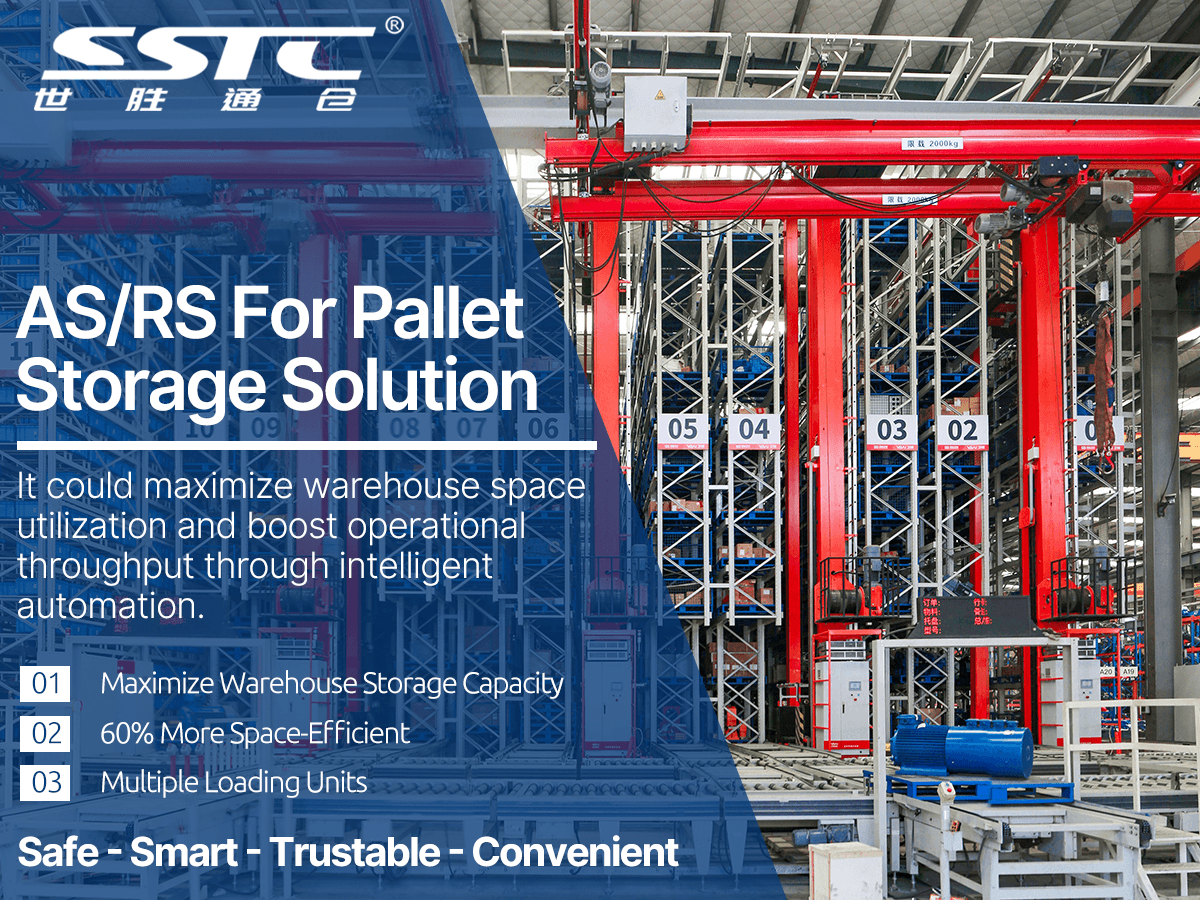
Profesjonalny dostawca rozwiązań do przechowywania o dużej gęstości w Chinach


| Zautomatyzowany system składowania i wyszukiwania SSTC działający w nowoczesnym magazynie chemikaliów i zaawansowanych materiałówchiński/CN

Industrial AS/RS For Food And Beverages Warehousing | High-Density Cold Chain Solutions | SSTC

Przemysłowy system AS/RS do magazynowania żywności i napojów: Inżynieria łańcucha chłodniczego o dużej gęstości i odporności na przepustowość

Implementing an advanced AS/RS do magazynowania żywności i napojów has become a fundamental engineering mandate for supply chain directors navigating the margin-compressed, high-velocity landscape of modern food production. The global food and beverage (F&B) sector operates under strict regulatory frameworks, rapid inventory turnover cycles, and severe environmental constraints. Unlike standard dry-goods or general manufacturing components, consumable goods carry expiration timelines, stringent health compliance audits, I, in many cold chain applications, sub-zero temperature demands that break conventional manual logistics models. For decades, distribution facilities relied on traditional wide-aisle selective racking, manual forklift fleets, and decentralized staging areas. Dzisiaj, that legacy infrastructure is failing under the combined pressure of soaring industrial real estate costs, labor shortages in logistics hubs, and zero-tolerance expectations for damaged packaging or spoiled stock. To bridge this gap, industrial enterprises are transitioning toward fully automated intralogistics ecosystems. Na Inteligentna technologia SSTC, our engineering divisions specialize in building robust, wysokowydajne zautomatyzowane systemy przechowywania i wyszukiwania (AS/RS) designed to resolve the complex operational bottlenecks unique to the food and beverage industry. This technical white paper and corporate news analysis examines the structural mechanics, uzasadnienia ekonomiczne, oraz transformacyjne skutki wdrażania nowoczesnych architektur AS/RS we współczesnych systemach F&B. łańcuchy dostaw.

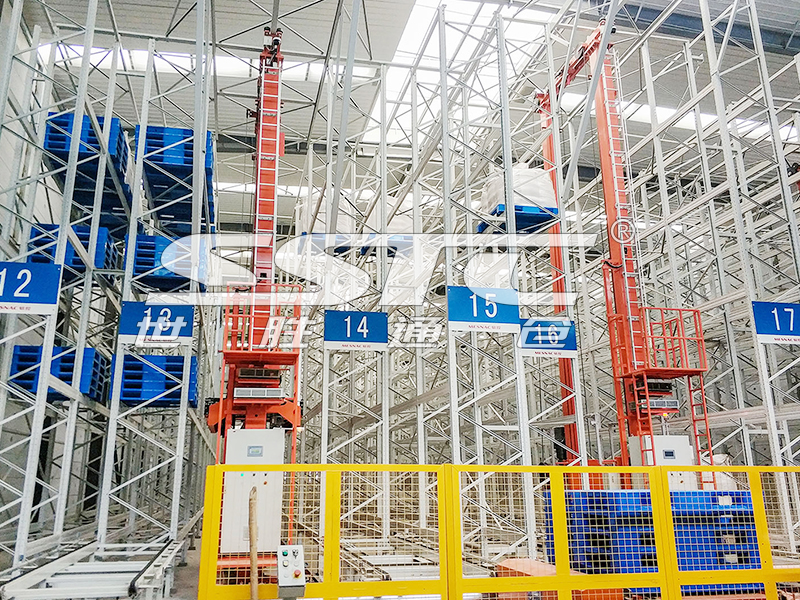
Zautomatyzowany system przechowywania i wyszukiwania SSTC Układnica AS/RS pracująca w magazynie chłodniczym z łańcuchem chłodniczym -30°C żywności i napojów

The Intralogistics Crisis in Modern Food & Dystrybucja napojów

Before evaluating the technical mechanics of automated engineering solutions, we must dissect the primary operational friction points that plague facility managers, plant directors, and supply chain executives in the food and beverage sector on a daily basis.

  • The Inforgiving Reality of FIFO Compliance and Perishability

In the food and beverage supply chain, inventory is a race against time. Whether managing dairy products, fresh produce, commercial beverages, or packaged processed foods, maintaining strict FIFO (Pierwszy na wejściu, Pierwszy na wyjściu) inventory rotation is mandatory. A single failure in batch tracking or misplaced pallet logging can result in expired stock, massive product write-offs, costly health compliance violations, and severe brand damage. Traditional manual record-keeping and legacy warehouse management systems are highly vulnerable to human error, often leading to buried stock, delayed picking cycles, and lost inventory visibility.

  • The Severe Engineering Challenges of Cold Chain Freezers (-30°C)

A massive percentage of food and beverage inventory requires precise temperature-controlled storage, ranging from chilled environments (2°C do 4°C) to deep sub-zero blast freezers (-25°C do -30°C). Operating manual forklifts and human labor in sub-zero freezers is notoriously inefficient, expensive, and hazardous. Human operators cannot endure prolonged shifts in extreme cold without frequent rotations, co prowadzi do dużej rotacji pracowników, reduced picking productivity, i poważne zobowiązania dotyczące bezpieczeństwa. Ponadto, standard material handling equipment suffers from battery drain, awaria smarowania, and structural fatigue under sub-zero conditions, driving up maintenance overhead.

  • SKU Proliferation and High-Volume Seasonal Surges

The modern retail and e-commerce consumer market demands an ever-expanding array of flavors, rozmiary opakowań, i odmiany marek własnych. To rozprzestrzenianie się SKU, w połączeniu z ogromnymi sezonowymi skokami popytu (jak wzrost spożycia napojów w miesiącach letnich lub świąteczny szczyt słodyczy), powoduje poważne problemy z wydajnością. Traditional warehouses frequently run out of physical footprint during peak operating periods, zmuszanie przedsiębiorstw do wynajmowania kosztownych zewnętrznych obiektów do tymczasowego składowania, which fragments inventory control and drives up transportation costs.


Core Engineering Functions of AS/RS for Food and Beverages Warehousing

Deploying an industrial AS/RS do magazynowania żywności i napojów introduces a transformative layer of mechanical precision and software intelligence that directly neutralizes these structural challenges.

  • Maksymalizacja wykorzystania pionowej przestrzeni sześciennej

Koszty nabycia i wynajmu nieruchomości w głównych węzłach logistycznych i dystrybucyjnych osiągnęły historyczne poziomy. Tradycyjne selektywne składowanie odpadów paletowych do 50% of a facility’s total internal volume on wide forklift maneuvering aisles. Konstrukcje wysokonakładowe AS/RS, dla kontrastu, dźwignia prześwitu w pionie do 30 metrów lub więcej. By utilizing high-speed stacker cranes, compact automated shuttle grids, and precise vertical lifts, Instalacje SSTC osiągają do 95% wykorzystanie przestrzeni wolumetrycznej, enabling enterprises to store exponentially more pallet loads within their existing physical footprints without acquiring additional real estate.

  • Pełna identyfikowalność dzięki integracji z systemami WMS i WCS

Hardware automation is only as effective as the software orchestrating it. SSTC’s advanced Warehouse Management Systems (WMS-a) i Systemy Kontroli Magazynu (WCS) integrate seamlessly with enterprise ERP platforms (such as SAP and Oracle). Every single pallet entering the facility is scanned, logged, and assigned an optimized storage coordinate. The software automatically enforces strict FIFO or LIFO protocols, tracks batch numbers, monitors expiration timelines, and guarantees 100% inventory visibility in real-time. According to operational research published by Supply Chain Dive, software-driven inventory tracking eliminates picking discrepancies and reduces fulfillment errors to near zero.

  • Efektywność środowiskowa w operacjach łańcucha chłodniczego

Compressing storage footprints through high-density AS/RS automation drastically reduces the total cubic volume of air that requires active refrigeration or heating. In sub-zero cold chain facilities, this volumetric optimization translates directly into massive, ongoing reductions in energy consumption and electrical utility expenditures. As highlighted by research reports from the Global Cold Chain Alliance (GCCA), automated high-density storage is one of the most effective engineering strategies for cutting cold storage energy footprints.

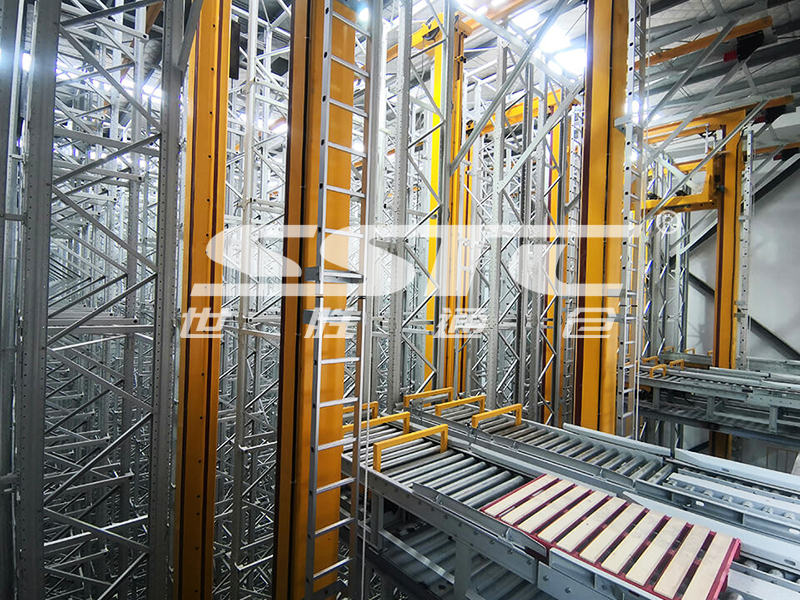
Układnica paletowa SSTC ASRS do fabryki alkoholu
Zautomatyzowany system paletowy AS/RS do składowania w magazynie farmaceutycznym

Architektura Technologiczna: Układnice vs. Czterokierunkowe wózki paletowe

Different F&B facilities possess distinct throughput, Profil SKU, and building layout requirements. SSTC engineers tailor automation strategies utilizing two primary technological pillars:

  • Systemy układnic wysokiego składowania

For high-throughput distribution centers managing massive volumes of standardized pallet loads (such as major bottled water plants, brewery distribution hubs, or large-scale dairy facilities), AS/RS Stacker Crane Systems represent the pinnacle of speed and mechanical reliability. Equipped with telescopic forks, high-speed vertical lifting motors, and precision laser guidance, stacker cranes handle heavy pallet loads smoothly across towering narrow aisles. For broader insights into optimizing high-speed industrial storage, explore our core technical solutions at the SSTC Storage Solutions Portal.

  • Czterokierunkowe systemy transportu palet

For warehouses requiring maximum storage density combined with multi-directional routing flexibility, the Czterokierunkowy system transportu palet is the ultimate choice. These autonomous robotic vehicles travel in all four directions across modular rail grids, seamlessly interacting with vertical lifts to transport pallets to any designated bay. To examine the technical specifications and engineering mechanics of this technology, read our detailed analysis on SSTC’s Four-Way Pallet Shuttle Solution.

Deep Sub-Zero Cold Chain and Chilled Storage Engineering

Operating automated machinery in sub-zero freezers requires specialized metallurgical and electrical design. Standard industrial components fail when subjected to temperatures of -30°C due to steel embrittlement, przyspieszenie rozładowania akumulatora, and grease solidification.

Cold-Resistant Metallurgy and Structural Integrity

SSTC designs AS/RS racking and crane structures using high-tensile, low-temperature resistant structural steel that maintains its yield strength and impact resistance under sub-zero conditions. Racking columns and base plates are engineered to withstand thermal contraction cycles without losing structural rigidity or seismic compliance.

Specialized Mechanical and Electrical Subsystems

  • Low-Temperature Lubrication: All bearings, gears, and sliding components utilize synthetic, low-temperature aviation-grade greases that prevent solidification and maintain smooth mechanical movement.

  • Sealed Electrical Enclosures: Onboard PLCs, czujniki, and drive motors are housed in IP65/IP67 rated enclosures with internal heating elements to prevent condensation and electrical shorts.

  • Onboard Power Management: Shuttles and stacker cranes utilize advanced Lithium-Iron-Phosphate (LiFePO4) battery systems equipped with automated thermal management, ensuring stable charge-discharge cycles in freezing environments.

Software Orchestration — WMS, WCS, and ERP Synchronization

An automated warehouse is an integrated cyber-physical system where software intelligence dictates physical execution. SSTC’s proprietary software suite bridges enterprise business logic with physical warehouse operations.

  • Real-Time Data Flow and Inventory Allocation

When a pallet of beverage cans or perishable dairy goods arrives at the receiving dock, it passes through an automated profile-checking portal that measures dimensions, verifies weight, and scans barcodes. The WMS immediately evaluates inventory rules, assigning the pallet to an optimal storage slot based on turnover velocity, expiration date, and thermal zone.

  • Dynamic Task Scheduling and Traffic Control

System Kontroli Magazynu (WCS) acts as the traffic controller for the entire automated fleet. It calculates the most efficient travel paths for stacker cranes and four-way shuttles, preventing traffic congestion, balancing workloads across multiple aisles, and prioritizing urgent outbound orders without manual intervention.

Wpływ ekonomiczny i całkowity koszt posiadania (całkowity koszt posiadania)

When corporate executive boards evaluate automation initiatives, discussions frequently center around initial Capital Expenditure (CapEx). Jednakże, evaluating an intralogistics transformation solely on upfront costs overlooks the profound, long-term savings delivered across the Total Cost of Ownership (całkowity koszt posiadania):

  • Dramatic Labor Overhead Reduction: By automating storage and retrieval lifecycles, facilities reduce manual handling labor requirements by up to 70%, insulating operations from the ongoing global labor crisis.

  • Elimination of Product Spoilage and Write-Offs: Wymuszone programowo protokoły FIFO i precyzyjna obsługa eliminują przeterminowane zapasy i zgniecione opakowania, oszczędzając firmom tysiące dolarów rocznie.

  • Unikanie kosztów rozbudowy nieruchomości: Osiągnięcie 95% wykorzystanie powierzchni eliminuje konieczność budowy nowych budynków lub wynajmowania kosztownych magazynów zewnętrznych.

  • Zwiększone bezpieczeństwo w miejscu pracy: Usunięcie pracowników i ciężkich ręcznych wózków widłowych z niebezpiecznych stref wysokiego składowania i stref o temperaturze poniżej zera zmniejsza liczbę wypadków niemal do zera, stabilizacja składek ubezpieczeniowych.

Proven Case References and Industrial Implementations

Możliwości inżynieryjne SSTC zostały sprawdzone w wymagających wdrożeniach na całym świecie. Na przykład, nasze wdrożenia systemów wysokiego składowania AS/RS i regałów o dużej wytrzymałości w projektach międzynarodowych – takich jak 500-tonowy, 21.5-metrowa instalacja wysokiego składowania w Tajlandii oraz wielkoskalowe zakłady produkujące napoje wykorzystujące 24-metrowe dwustanowiskowe układnice — pokazują naszą zdolność do dostarczania złożonej automatyki pod klucz w ściśle określonych terminach operacyjnych.

Często zadawane pytania (Często zadawane pytania)

Pytanie 1: W jaki sposób AS/RS dla magazynowania żywności i napojów zapewnia ścisłą zgodność z FIFO??

A: Zintegrowany system zarządzania magazynem SSTC (WMS-a) cyfrowo rejestruje datę produkcji i numer partii każdej przychodzącej palety, automatyczne ustalanie priorytetów starszych zapasów w przypadku wysyłki wychodzącej i zapobieganie wygaśnięciu zapasów.

Pytanie 2: Czy SSTC może zautomatyzować zamrażarki z łańcuchem chłodniczym, w których panuje temperatura poniżej zera, do -30°C?

A: Tak. SSTC projektuje wyspecjalizowaną, odporną na zimno infrastrukturę AS/RS, wyposażone w łożyska smarowane w niskich temperaturach, elementy metalurgiczne odporne na zimno, and robust onboard battery management systems to ensure flawless performance in extreme freezers.

Pytanie 3: How does automation protect fragile food packaging and bottled goods from damage?

A: By replacing manual, human-operated forklift navigation with computer-controlled stacker cranes and precision shuttles, the system eliminates structural collisions, drop hazards, and stacking errors.

Pytanie 4: What is the typical ROI timeline for an SSTC AS/RS installation in a food distribution center?

A: Due to massive savings in labor overhead, energy reduction in cold storage, and elimination of product damage write-offs, most industrial clients achieve a full return on investment within 18 Do 36 months of continuous operation.

Partner z SSTC w zakresie przyszłościowej logistyki żywności

The food and beverage industry demands absolute reliability, uncompromising hygiene compliance, and relentless supply chain efficiency. Clinging to outdated, manual, horizontal warehouses exposes businesses to escalating labor costs, space constraints, and costly inventory spoilage. Transitioning to an advanced automated storage architecture is no longer a futuristic luxury—it is an immediate operational imperative for sustainable market leadership.

Już dziś zapoznaj się z naszymi wszechstronnymi możliwościami inżynieryjnymi w witrynie Oficjalna strona SSTC, lub przejrzyj nasze specjalistyczne przewodniki techniczne na temat SSTC’s Four-Way Pallet Shuttle Solution.

Połącz się z naszymi globalnymi ekspertami w dziedzinie inżynierii

Gotowy do zwiększenia wydajności magazynowania żywności i napojów oraz wyeliminowania wąskich gardeł w łańcuchu dostaw? Skontaktuj się z naszym zespołem doradztwa technicznego już dziś:

Technologia wywiadowcza SSTC — nowa definicja przestrzeni, Zwiększanie wydajności, Wzmacnianie globalnych łańcuchów dostaw.

Poprzednia:

Następny:

Zostaw wiadomość