2. Seven Ways AS/RS Revolutionizes Cold Chain Logistics
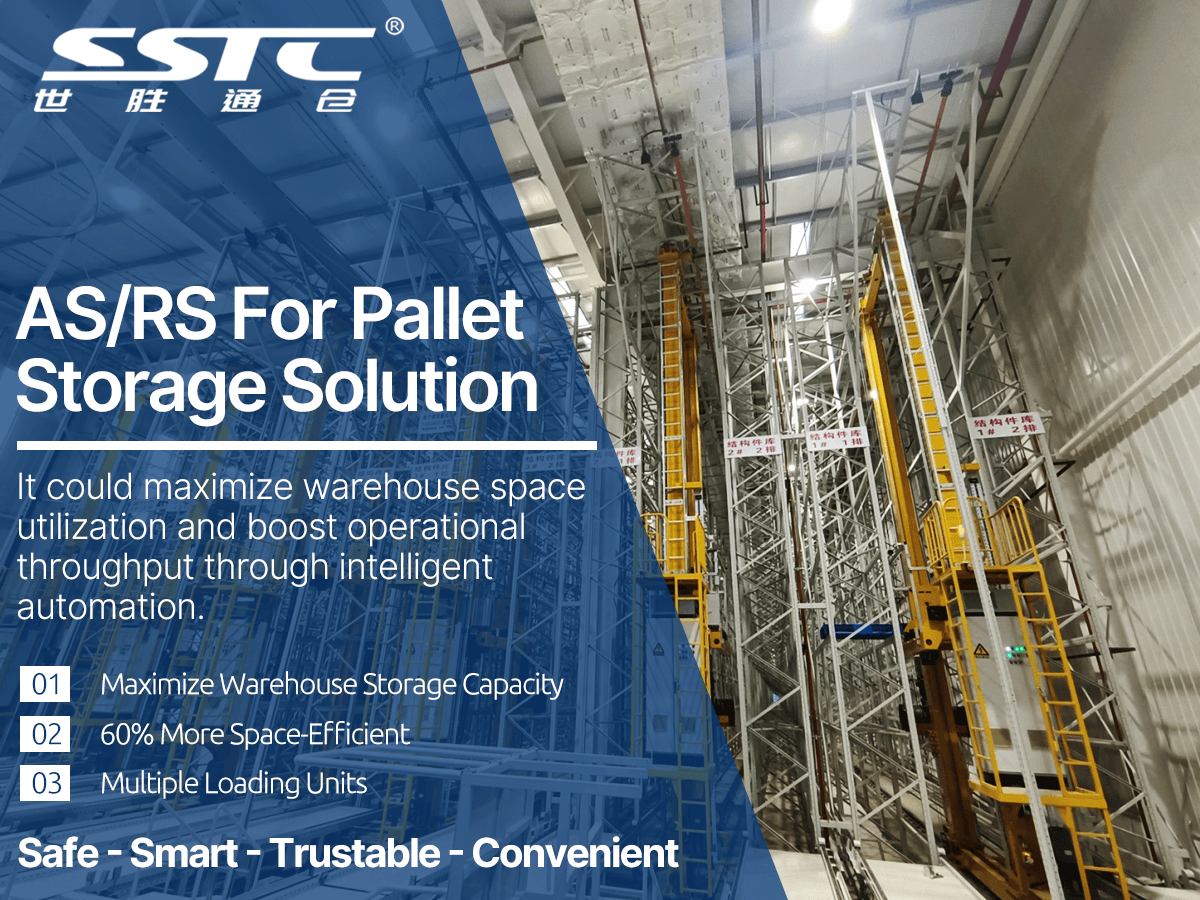
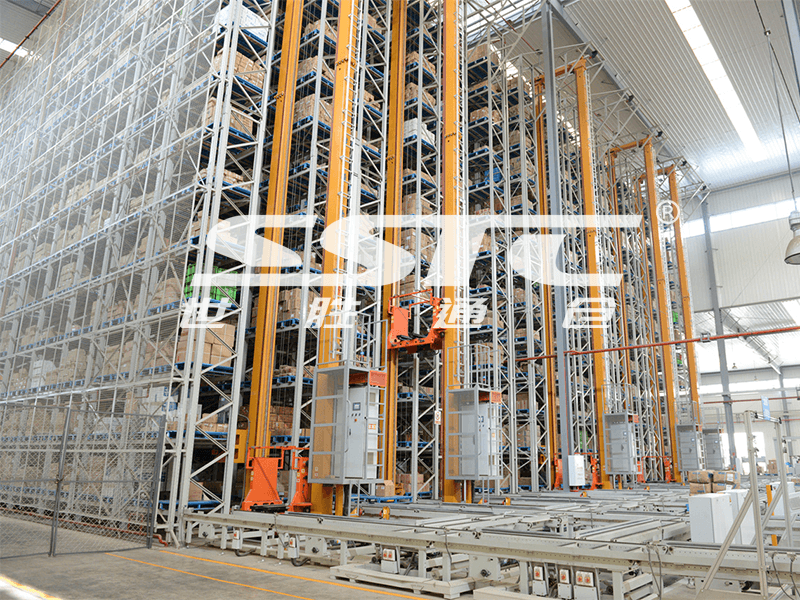
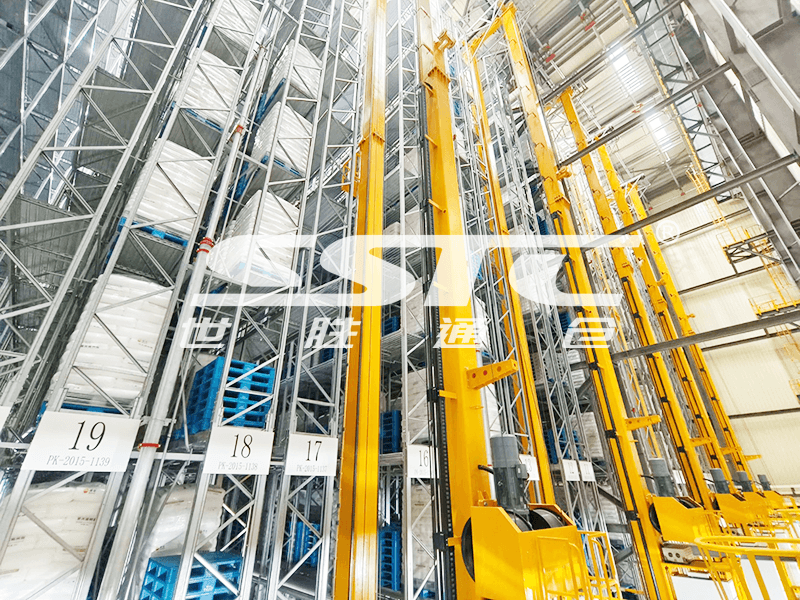
Implementing an AS/RS in cold chain industry facilities completely redefines how perishable and frozen inventory is stored, tracked, and retrieved. By combining precision high-bay steel structures, zautomatyzowane układnice, and integrated software control, automated systems deliver seven core operational breakthroughs:
2.1. Massive Footprint Reduction and Energy Optimization
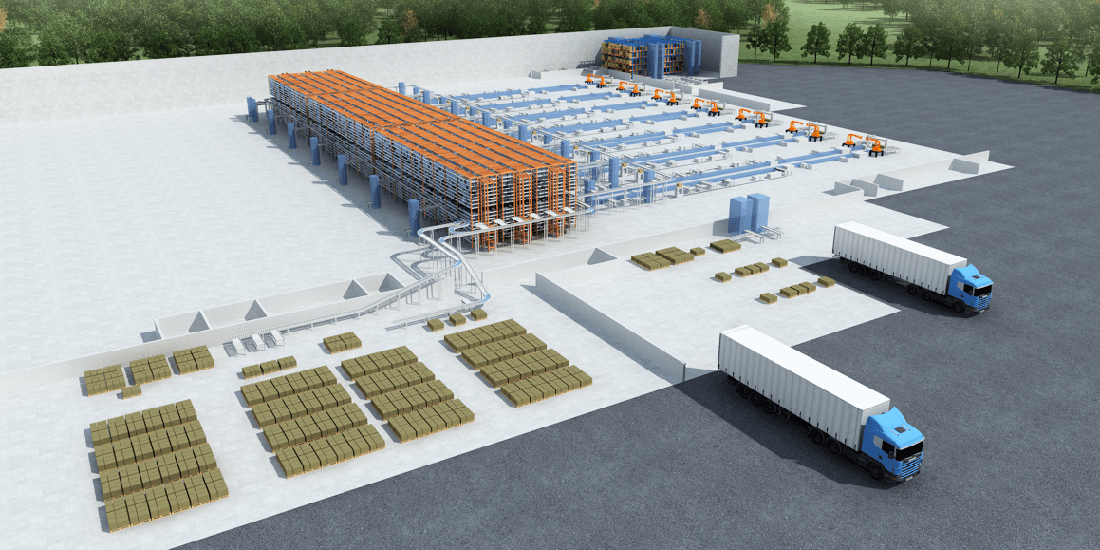
By utilizing vertical space and scaling high-bay racking up to 25 metrów lub więcej, an AS/RS allows cold storage operators to store the exact same volume of palletized goods within a fraction of the building footprint. Shrinking the physical building footprint—and consequently the roof surface area—drastically reduces thermal heat gain. This geometric efficiency allows refrigeration systems to operate with significantly reduced electrical loads, cutting overall facility energy consumption by up to 60% compared to sprawling manual warehouses.
2.2. Complete Elimination of Human Presence in Sub-Zero Zones
An AS/RS removes human operators entirely from the freezing storage vault. Automated stacker cranes and high-speed conveyor lines handle the storage and retrieval of heavy pallets autonomously. Employees are transitioned out of hazardous sub-zero freezers and into comfortable, climate-controlled supervision and quality control roles, effectively eliminating cold-induced fatigue, urazy, and high labor turnover.
2.3. Sub-Millimeter High-Bay Density and Vertical Maximization
Conventional forklifts are structurally limited by mast heights and stability constraints, typically topping out at 6 Do 8 metrów. Dla kontrastu, heavy-duty AS/RS stacker cranes operate within narrow, high-density aisles stretching up to 30 meters high. This unlocks maximum volumetric storage density, transforming wasted vertical air space into highly profitable storage capacity.
2.4. Flawless FIFO Rotation and Inventory Traceability
An AS/RS integrates deeply with advanced Warehouse Management Systems (WMS-a) i Systemy Kontroli Magazynu (WCS). When temperature-sensitive food or pharmaceutical pallets enter the receiving dock, they are scanned, profiled, and assigned an optimal storage location. The software enforces strict FIFO protocols automatically, ensuring that older stock is retrieved first. This eliminates human picking errors and guarantees 100% dokładność inwentaryzacji.
2.5. Elimination of Door-Opening Thermal Surges
In manual warehouses, constant forklift traffic requires large dock and freezer doors to remain open for extended periods, allowing warm ambient air to rush in and cause temperature fluctuations that threaten perishable product integrity. An AS/RS operates within a fully enclosed, compact high-bay racking envelope where automated transfer occurs rapidly through small, sealed shutter interfaces, maintaining stable sub-zero internal temperatures.
2.6. Zero Rack Collisions and Product Damage
Forklift-induced impacts against storage racks and pallets are a leading cause of inventory loss and structural damage in manual cold storage facilities. AS/RS stacker cranes travel on precision-guided floor rails and overhead guides under computerized control, eliminating accidental collisions, dropped loads, and damaged packaging.
2.7. Scalability and Future-Proofing
As cold chain enterprises expand, scaling a manual warehouse requires acquiring adjacent land and constructing additional buildings. An AS/RS allows facilities to maximize existing vertical real estate, providing a highly scalable infrastructure that adapts effortlessly to fluctuating seasonal inventory demands without physical footprint expansion.

 Inteligentna technologia SSTC - 4-Producent regałów wahadłowych i systemów AS/RS