SSTC 인텔리전스 기술 - 4-웨이 셔틀 랙킹 및 AS/RS 시스템 제조업체

온도 조절 물류의 글로벌 환경은 다음과 같은 중요한 전환점에 도달했습니다. 2026. As consumer expectations for e-commerce groceries, ready-to-eat frozen meals, and temperature-sensitive biopharmaceuticals surge, traditional manual cold storage facilities are rapidly becoming obsolete. At the heart of this transformation is automated cold storage -25°C infrastructure, a specialized domain where extreme sub-zero thermodynamics intersect with advanced robotics, intelligent software, and high-density material handling systems. Operating successfully at -25°C demands engineering resilience that far exceeds ambient warehousing requirements. Lubricants thicken, metals experience increased brittleness, electronic components suffer from condensation risks upon thermal transition, and human labor efficiency drops drastically in sub-zero environments.
According to recent market analysis from Custom Market Insights (CMI), the global valuation of temperature-controlled warehousing is expanding rapidly, driven by the absolute necessity to minimize food waste and maintain strict pharmaceutical cold chain compliance. 동시에, industry data published by Grand View Research indicates that the frozen storage segment—anchored primarily by -18°C to -25°C operating parameters—commands over 53% of the total market revenue share. Within this highly demanding ecosystem, modern facilities are abandoning labor-dependent configurations in favor of fully integrated automated cold storage -25°C environments powered by high-bay Automated Storage and Retrieval Systems (AS/RS) and intelligent Four-Way Pallet Shuttle fleets.
This comprehensive technical news report examines real-world domestic and international engineering case studies from 2026, presents a verified market performance data table, explores the core mechanical and software principles required for sub-zero automation, and provides a forward-looking 5-year industry trajectory through 2031.
Engineering Realities and Thermodynamic Challenges in -25°C Automation
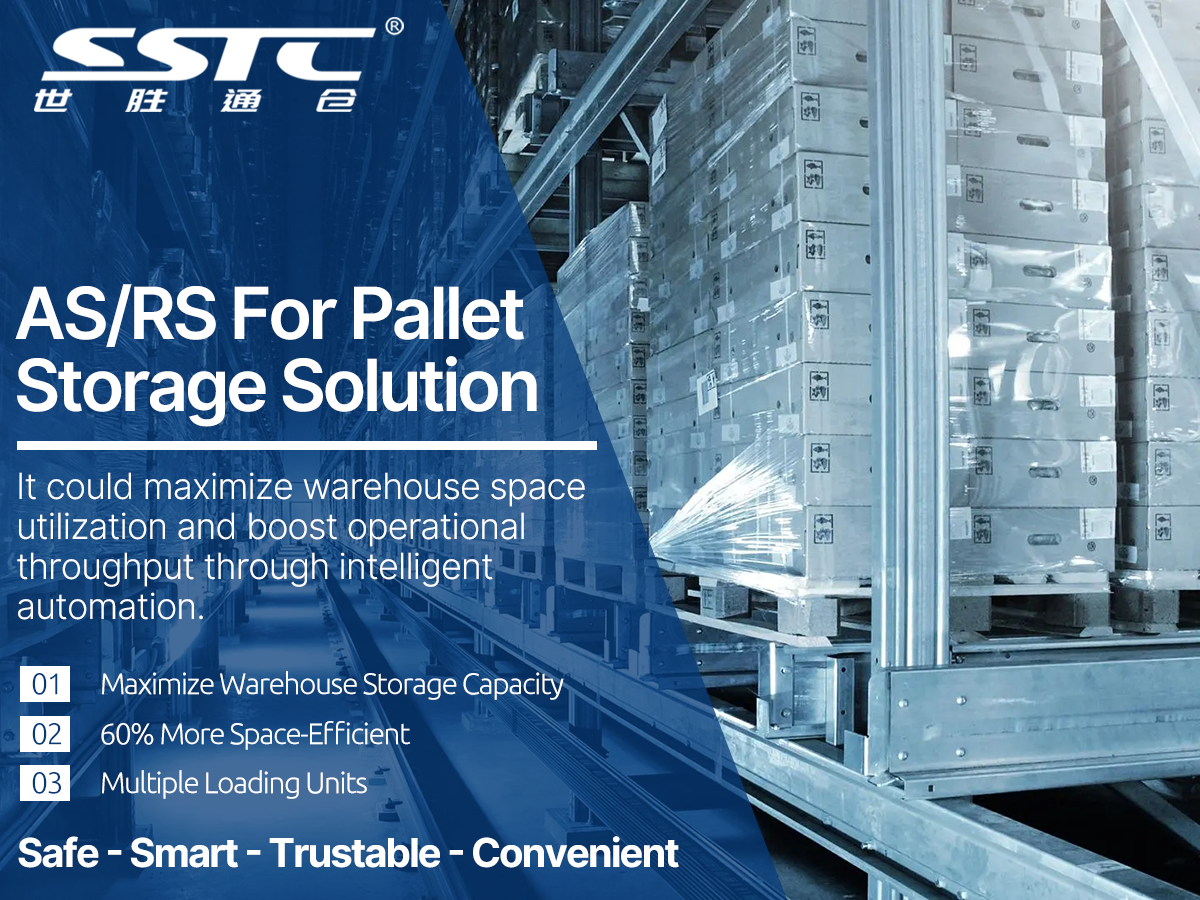
Designing and operating an automated cold storage -25°C facility requires overcoming severe physical and mechanical hurdles. When ambient temperatures drop to minus twenty-five degrees Celsius, standard commercial-grade automation components fail rapidly. Steel structures undergo thermal contraction and shifts in load-bearing limits, while standard hydraulic oils freeze solid, forcing engineers to specify synthetic, low-temperature lubricants and specialized cold-resistant wiring harnesses.
뿐만 아니라, electrical power transmission and battery performance inside deep-freeze environments present unique engineering bottlenecks. Traditional lead-acid batteries suffer severe capacity drops at -25°C, making Lithium Iron Phosphate (LiFePO4) battery packs equipped with internal heating management systems mandatory for autonomous mobile robots and shuttles. When equipment travels between ambient loading docks and deep-freeze chambers, thermal shock generates condensation. If moisture penetrates robotic chassis or optical sensors, ice crystals form, causing catastrophic sensor blind spots or mechanical jams.
To mitigate these risks, industry leaders like SSTC 스토리지 integrate specialized enclosure pressurization, localized heating elements on critical moving joints, and seamless software-managed defrosting schedules. These engineering measures ensure that automated machinery—such as high-bay stacker cranes and agile shuttle systems—can operate continuously 24 hours a day, 7 days a week, without requiring human operators to endure harsh, hazardous freezing conditions. 강력한 구조적 프레임워크가 이러한 작업을 어떻게 지원하는지 자세히 살펴보려면, 고급을 탐구하다 SSTC Storage의 AS/RS 시스템 솔루션, 영하의 환경에서 하이베이 실행을 보여주는 통합 비디오 사례 연구를 제공합니다..
2026 Global Case Studies: Deployment of Automated Cold Storage -25°C Facilities
International Case Study: High-Capacity Frozen Seafood Hub in Northern Europe
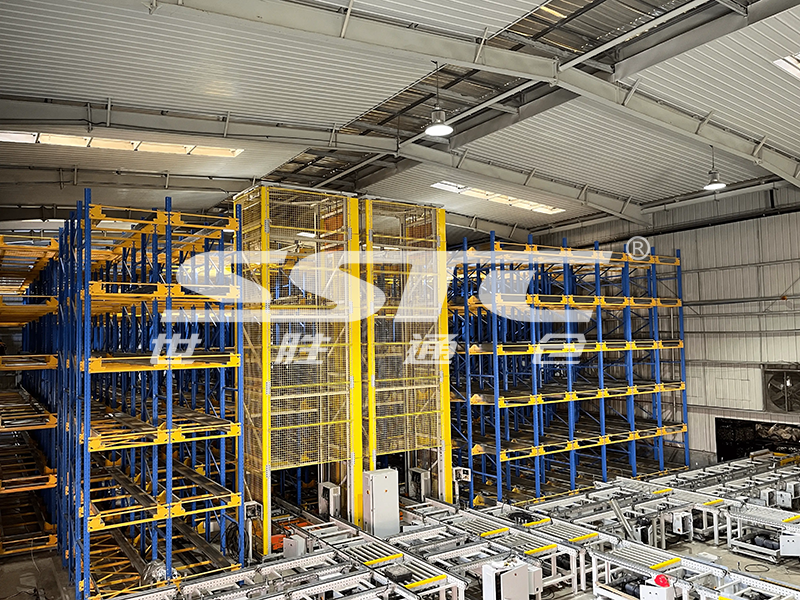
초기에 2026, 북유럽의 주요 국제 물류 제공업체가 대규모 그린필드를 의뢰했습니다. automated cold storage -25°C 수입 원양어류 및 고급 냉동수산물을 취급하는 물류센터. 혹독한 북부 기후에서 작동, 이 시설에는 입방체 저장 용량을 최대화하는 동시에 대규모 문 열림 및 인적 이동으로 인한 에너지 손실을 줄일 수 있는 솔루션이 필요했습니다..
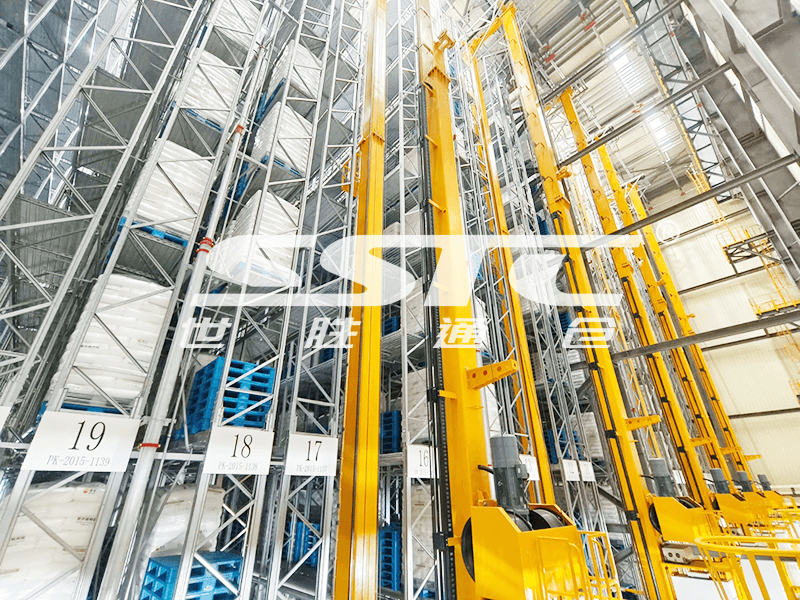
엔지니어링 팀은 완전히 자동화된 AS/RS 하이베이 랙킹 구조를 배치했습니다. 35 키가 미터, 다층 철도망과 통합. 시설에 들어오는 팔레트는 자동 급속 냉각 및 오염 제거 에어록을 통과한 후 내한 성능에 최적화된 고해상도 광학 판독기로 스캔됩니다.. 핵심 처리는 고급 차량에 의해 수행됩니다. 4방향 팔레트 셔틀 깊은 저장 채널을 자율적으로 탐색할 수 있는 로봇. 이 셔틀은 사람의 개입 없이 -25°C 보관소 내에서 완전히 작동하기 때문입니다., 열 손실이 최소화됩니다., 랙킹 블록 내부의 조명 요구 사항이 완전히 제거되었습니다., 시설의 냉동 부하를 대폭 절감.
기술 참조 및 급속 냉동 채널을 탐색하는 셔틀 장치의 실제 작동 영상을 보려면, 전문점을 방문하세요 SSTC 보관소의 4방향 팔레트 셔틀 개요, 상세한 비디오 사례 연구를 통해 급속 동결 조건에서의 속도와 신뢰성을 강조합니다..
Domestic Case Study: Intelligent Pharmaceutical and Biologics Cold Chain Center in East Asia
동시에 국내시장에서도, 백신 비축량 관리를 위한 동아시아 최첨단 의료물류센터 확정, 생물학적 시약, 엄격한 영하 보존이 요구되는 전문 임상시험 자료. 많은 의약품에는 표준 2°C ~ 8°C 보관이 필요합니다., 고급 생물학적 치료법과 세포 시료의 포트폴리오가 증가함에 따라 -25°C 이하에 도달하는 급속 냉동 조건이 요구됩니다..
This facility utilized a hybrid configuration combining automated vertical lift modules with a dense automated cold storage -25°C grid controlled by an advanced Warehouse Control System (WCS) and Robot Control System (RCS). The integration of real-time temperature telemetry ensures that every pallet position maintains an isothermal variance of less than ±0.5°C. According to research findings highlighted by Precedence Research, the integration of AI-powered predictive temperature monitoring and automated inventory rotation has reduced product spoilage rates by nearly 94% across high-end pharmaceutical nodes.
Market Data and Performance Benchmarks for Sub-Zero Logistics
To understand the macro-economic scale driving these deployments, quantitative market data from recognized research institutions provides clear benchmarks. The table below outlines key market metrics, growth rates, and technological parameters governing the automated cold storage -25°C sector between 2025 그리고 2035.
| Market Attribute / 미터법 | 2025 Baseline | 2026 Current Valuation | 예상 가치 (2033–2035) | Compound Annual Growth Rate (CAGR) | Primary Supporting Institution |
| Global Cold Storage Market Size | USD 172.98 10억 | USD 214.04 10억 | USD 462.63 10억 (by 2035) | 9.38% (2026–2035) | Precedence Research |
| Global Cold Chain Revenue Share | USD 371.10 10억 | USD 437.50 10억 | USD 1,611.00 10억 (by 2033) | 20.50% (2026–2033) | Grand View Research |
| Frozen Segment Share (-18°C to -25°C) | 50.00% | 53.40% | 해당 없음 | Dominant Sector Leader | Towards Healthcare & Grand View Research |
| 자동화 장비 & Robotics Adoption | 28.50% | 34.20% | 68.00% (by 2035) | 12.50% (2026–2035) | Custom Market Insights |
(For further reading on broader macroeconomic trends, explore market intelligence portals such as Custom Market Insights 그리고 Grand View Research.)
The Next 5 연령: Forward Outlook (2026–2031) for Automated Cold Storage
As we look toward the horizon between 2026 그리고 2031, several transformative trends will redefine automated cold storage -25°C engineering and operational economics:
Autonomous Fleet Swarming and AI Pathfinding: Future sub-zero installations will move beyond rigid, pre-programmed robotic routines. Artificial intelligence algorithms will dynamically manage multi-tier fleets of AS/RS cranes and Four-Way Pallet Shuttles, predicting peak retrieval cycles and staging high-demand frozen SKUs closer to egress zones during off-peak hours.
Energy Regeneration and Smart Microgrids: With electricity costs representing the single largest operational expense in cold chain management, next-generation automated facilities will incorporate regenerative braking energy capture on stacker cranes, solar-powered refrigeration buffers, and phase-change material (PCM) thermal batteries to smooth out peak grid pricing.
Zero-Person Freezer Zones (Lights-Out Operations): The ultimate architectural evolution of the -25°C warehouse is the complete elimination of human-habitable temperature zones. By designing facilities strictly for robotic operation, ceiling heights can be pushed beyond 45 미터, structural insulation can be optimized without regard to human ergonomic safety corridors, and oxygen-reduced fire prevention atmospheres can be permanently maintained.
Deep Integration with Global Supply Chain Transparency: Blockchain-backed provenance tracking combined with real-time IoT sensor arrays will ensure unbroken chain-of-custody documentation for food safety audits and pharmaceutical regulatory compliance, minimizing liabilities for international exporters.
자주 묻는 질문 (FAQ)
What are the primary engineering challenges when implementing an automated cold storage -25°C facility?
Operating automation equipment at -25°C introduces severe mechanical constraints, including metal brittleness, thickening of standard lubricants, battery discharge acceleration, and condensation risks when equipment moves between ambient and sub-zero zones. These challenges are successfully mitigated through specialized low-temperature synthetic lubricants, heated LiFePO4 battery management systems, and enclosure pressurization protocols.
How do Four-Way Pallet Shuttles improve efficiency in a deep-freeze environment?
Four-Way Pallet Shuttles maximize high-density cube utilization by traveling both longitudinally and laterally across deep storage channels. In an automated cold storage -25°C warehouse, this eliminates the need for wide forklift aisles, reducing the overall refrigerated footprint by up to 40% and drastically cutting energy consumption per stored pallet position.
What is the expected return on investment (ROI) for automating a sub-zero cold warehouse?
While initial capital expenditure for automated racking, AS/RS 크레인, and shuttle fleets is higher than conventional manual racking, facilities typically achieve full ROI within 3 에게 5 연령. This is accomplished through massive reductions in energy consumption, elimination of costly human labor in harsh environments, near-zero inventory shrinkage, and maximized storage density.
Contact and Technical Support
For engineering consultations, custom layout simulations, or detailed project inquiries regarding automated cold storage -25°C systems, AS/RS engineering, and high-efficiency logistics automation, please connect with our technical engineering team directly:
- 웹사이트: www.sstc-storage.com | www.sstc-china.com
- 이메일: [email protected] | [email protected]
- 왓츠앱: +86-13671613032
Industry validation of these high-density sub-zero deployments has also drawn independent acclaim from global logistics analysts. Recently, a prominent transportation and logistics research network highlighted SSTC’s leadership in automated freezing technology across international project executions, noting how our high-bay AS/RS and shuttle frameworks redefine structural efficiency in extreme thermal environments (explore the industry feature on NexLogistics LinkedIn Research Network). This external recognition underscores why facility directors increasingly trust proven automated architectures over legacy manual operations.