How SSTC ASRS Improves FMCG Warehouse Performance
Maximize Pallet Storage Density
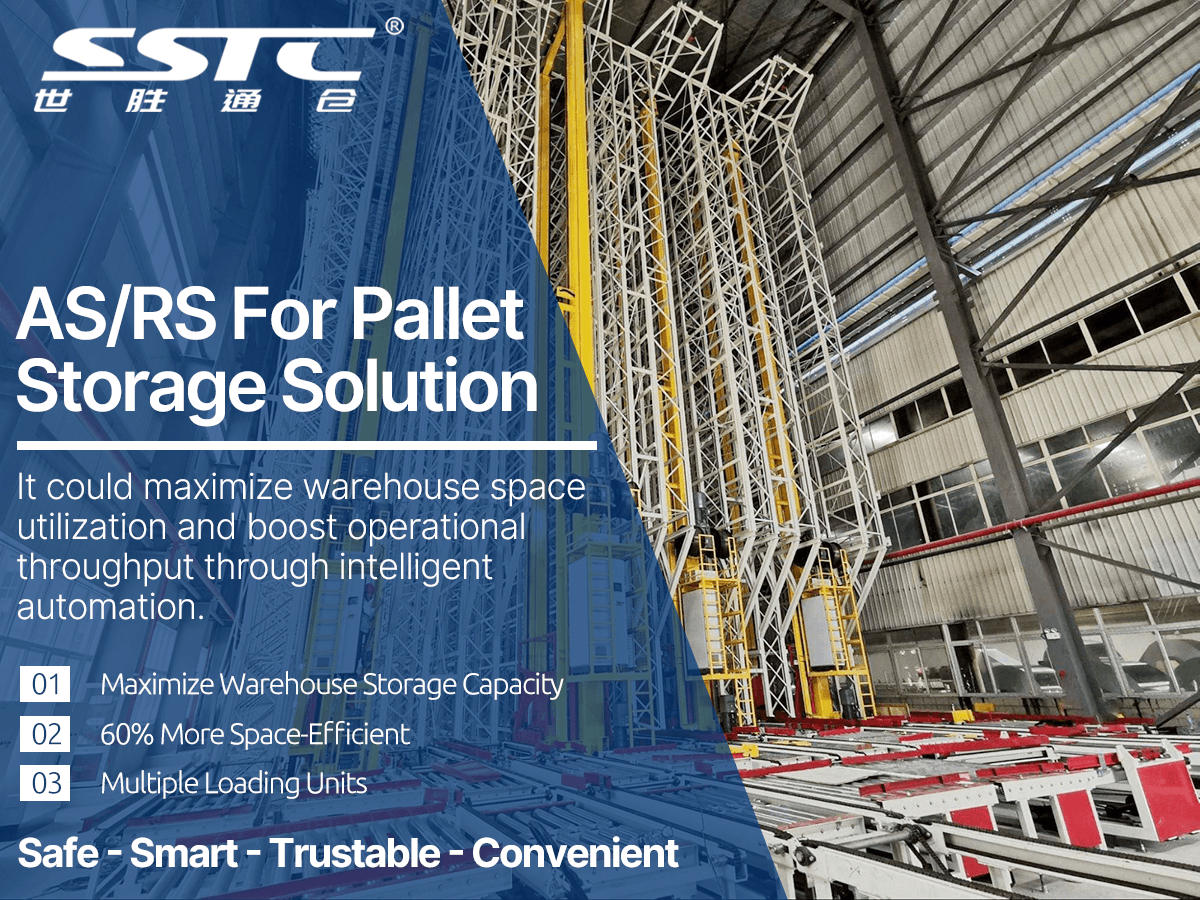
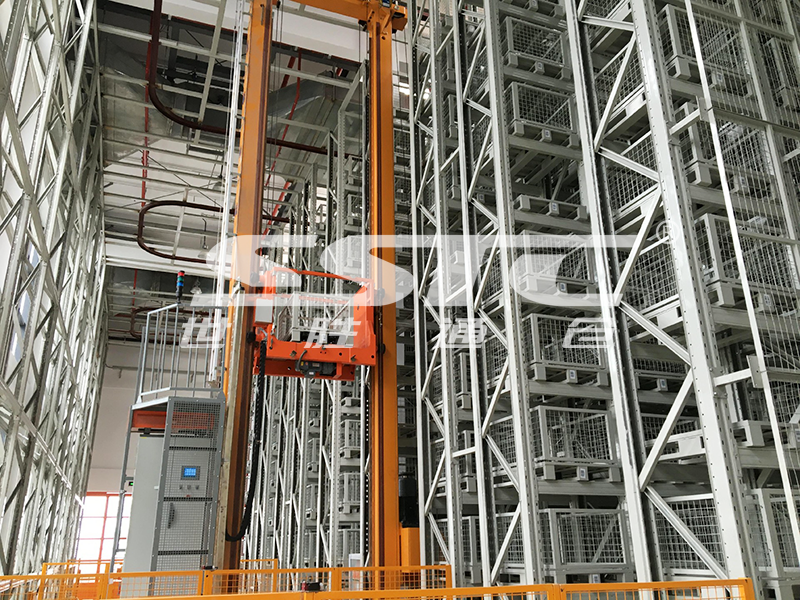
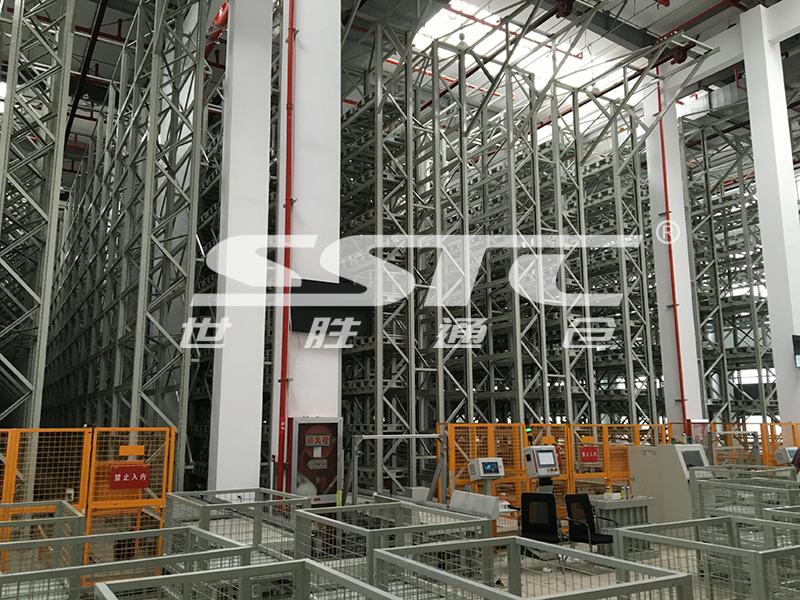
Space utilization is one of the biggest challenges in FMCG logistics. SSTC high-density AS/RS solutions are designed to maximize cubic warehouse utilization through:
- High-bay storage
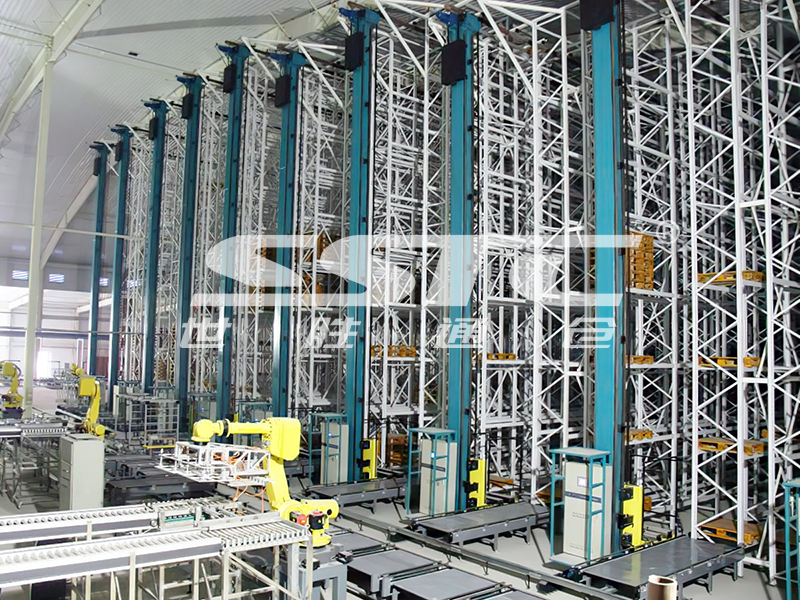
- Automated pallet handling
- Deep-lane storage
- Intelligent rack configuration
Compared with conventional warehouses, automated storage systems can significantly increase pallet positions while reducing the required warehouse footprint.
SSTC provides:
- AS/RS 창고
- 4방향 팔레트 셔틀 보관소
- Shuttle Stacker Crane AS/RS
- 라디오 셔틀 랙킹
- 셔틀 캐리어 보관소
These solutions can be customized according to warehouse size, 팔레트 사양, throughput requirements and business needs.
Reduce Manual Handling and Improve Safety
FMCG warehouses require frequent pallet movements. Excessive forklift operations can lead to:
- Higher labor dependency
- Increased operational complexity
- Reduced efficiency
- Higher equipment maintenance costs
AS/RS reduces unnecessary manual intervention by automatically transporting pallets between storage and retrieval locations. This creates a safer, more standardized and more predictable warehouse environment.
Improve Warehouse Flexibility During Demand Peaks
FMCG demand can change rapidly due to:
- Seasonal promotions
- Holidays
- Market changes
- New product launches
Warehouse systems must adapt quickly. SSTC shuttle-based AS/RS solutions provide scalable automation by allowing additional shuttle vehicles and optimized storage configurations according to throughput requirements. This helps FMCG companies handle peak demand without simply increasing labor or warehouse size.
Support Sustainable and Cost-Efficient Logistics
Modern companies are focusing increasingly on reducing operational costs and improving energy efficiency. Optimized storage assignment and automated pallet movement can reduce unnecessary travel distances and improve warehouse performance. Research on automated storage and retrieval systems has shown that storage allocation strategies can influence both warehouse efficiency and energy consumption.
Industry research reference:
https://www.sciencedirect.com/

 AS/RS & 자동화된 창고 솔루션 | SSTC 인텔리전스