AS/RS & 자동화된 창고 솔루션 | SSTC 인텔리전스

성공적인 ASRS 설치를 위한 백엔드 작업 파악
At some point, most warehouses will face a time when they begin to run out of space. Options for how to handle that dilemma run the gamut, and include moving into a new, larger facility. But there are ways to increase your storage density without building out a new greenfield operation. In either case, automated storage and retrieval systems (ASRS, or AS/RS) are one of the better solutions to consider.
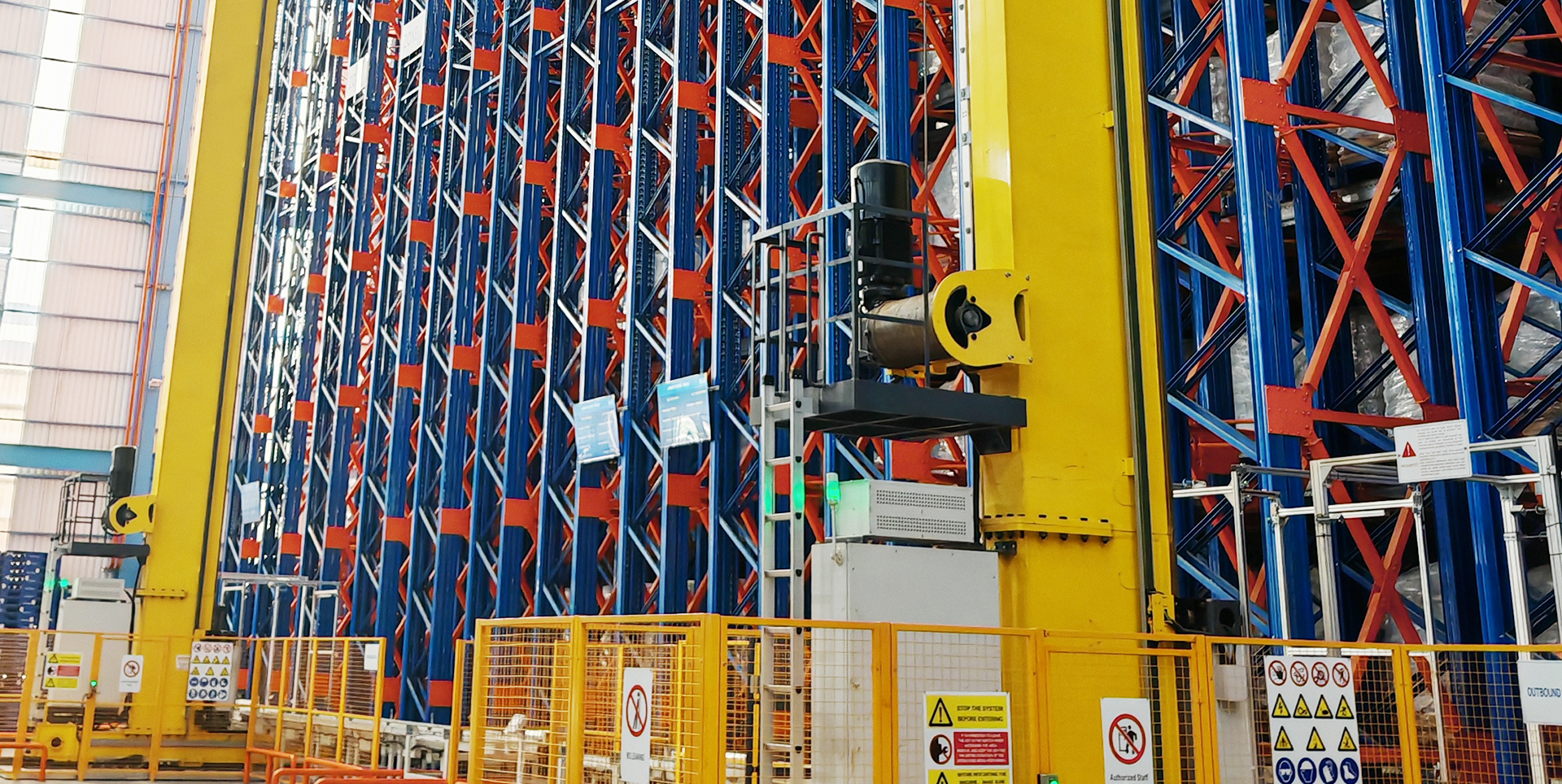
An ASRS is a high density, secured, vertical system that, as its namesake implies, automatically manages inventory storage areas without human involvement. There are many types of ASRS applications– automated goods-to-person, 주문 이행, and bulk material handling to name a few. In this article we will explore what you need to know for automated storage and retrieval systems for your palletized goods.
If you’re looking to increase your storage density and utilize a smaller footprint, ASRS can be the right option. Where a standard rack and forklift solution allows for storage up to 20 or 30 feet high, ASRS can reliably support product up to 150 feet high. That maximizes your cube and prevents the need for an expansion or new facility.
ASRS also provides for greater storage density. Rather than one pallet on a rack, ASRS can manage to store 25 에게 30 racks deep, all managed by an automated shuttle or carrier. Likewise, if you need to gain pallet throughput, ASRS can improve that, as well. When you accomplish this, you also free up your employees to tackle other value-added tasks that are more difficult to automate. That’s more cost effective in the long run, and helps in the current environment where labor is hard to come by.
If you’ve decided that pallet ASRS may be the right solution for your operation, key things to consider are the product you are moving as well as the speed with which you are moving the product. Pallet/product length, width, height and weight are critical items that drive the technology selection and design along with the peak hourly throughput of your system. Additional factors such as product flow, case/layer picking operations along with other value add processes also need to be considered when designing a system that is custom fit to your operational needs.
마지막으로, if your pallets are going into a brownfield or greenfield location is another consideration. Each has its own challenges, but both can be automated. When adding ASRS to a new facility, local permitting, design and other constraints can be an issue. With a brownfield operation, the challenge might include designing around an existing operation.
Once you and your OEM have signed off on the project, the real work begins. Your partner will put eyes on your operations, confirm all the details of the proposal, and work to finalize mechanical layout for all equipment. Once the mechanical design layout is locked, controls and software functional specific documents will be developed to ensure the system meets the operational demands of the customer. On average, pallet storage automation projects typically range anywhere from 12 에게 24 months from start to finish. The complete schedule is dependent on the size and complexity of the project, along with external factors, such as building construction timelines (if greenfield), and supply chain demands at the time of the project award.
Source: Eric Kinn, Bastian Solutions
Thanks for 미하이.