SSTC インテリジェンス テクノロジー - 4-ウェイシャトルラック・AS/RSシステムメーカー

温度管理された物流の世界的な状況は、極めて重要な転換点を迎えています。 2026. As consumer expectations for e-commerce groceries, ready-to-eat frozen meals, and temperature-sensitive biopharmaceuticals surge, traditional manual cold storage facilities are rapidly becoming obsolete. At the heart of this transformation is automated cold storage -25°C インフラストラクチャー, a specialized domain where extreme sub-zero thermodynamics intersect with advanced robotics, intelligent software, and high-density material handling systems. Operating successfully at -25°C demands engineering resilience that far exceeds ambient warehousing requirements. Lubricants thicken, metals experience increased brittleness, electronic components suffer from condensation risks upon thermal transition, and human labor efficiency drops drastically in sub-zero environments.
According to recent market analysis from Custom Market Insights (CMI), the global valuation of temperature-controlled warehousing is expanding rapidly, driven by the absolute necessity to minimize food waste and maintain strict pharmaceutical cold chain compliance. 同時に, industry data published by グランドビューリサーチ indicates that the frozen storage segment—anchored primarily by -18°C to -25°C operating parameters—commands over 53% of the total market revenue share. Within this highly demanding ecosystem, modern facilities are abandoning labor-dependent configurations in favor of fully integrated automated cold storage -25°C environments powered by high-bay Automated Storage and Retrieval Systems (AS/RS) and intelligent Four-Way Pallet Shuttle fleets.
This comprehensive technical news report examines real-world domestic and international engineering case studies from 2026, presents a verified market performance data table, explores the core mechanical and software principles required for sub-zero automation, and provides a forward-looking 5-year industry trajectory through 2031.
Engineering Realities and Thermodynamic Challenges in -25°C Automation
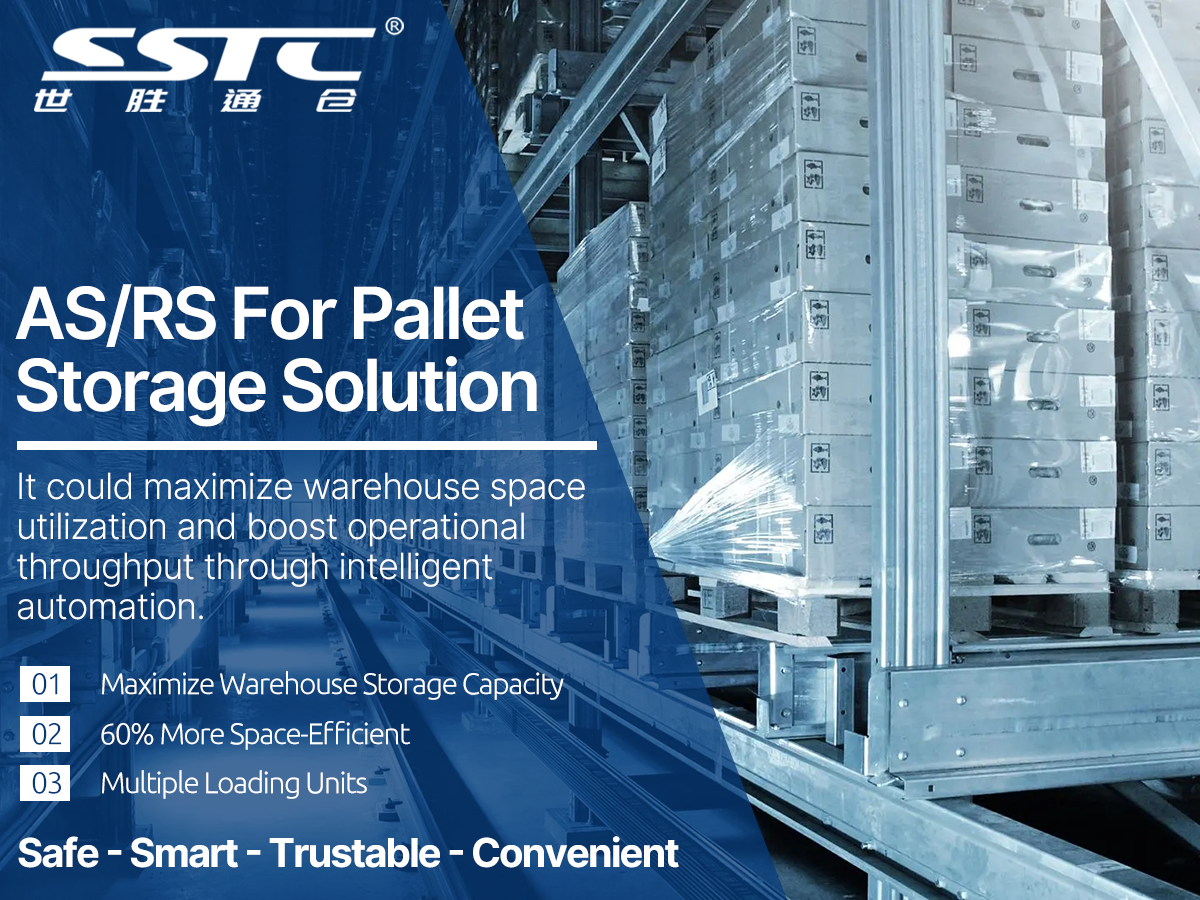
Designing and operating an automated cold storage -25°C facility requires overcoming severe physical and mechanical hurdles. When ambient temperatures drop to minus twenty-five degrees Celsius, standard commercial-grade automation components fail rapidly. Steel structures undergo thermal contraction and shifts in load-bearing limits, while standard hydraulic oils freeze solid, forcing engineers to specify synthetic, low-temperature lubricants and specialized cold-resistant wiring harnesses.
さらに, electrical power transmission and battery performance inside deep-freeze environments present unique engineering bottlenecks. Traditional lead-acid batteries suffer severe capacity drops at -25°C, making Lithium Iron Phosphate (LiFePO4) battery packs equipped with internal heating management systems mandatory for autonomous mobile robots and shuttles. When equipment travels between ambient loading docks and deep-freeze chambers, thermal shock generates condensation. If moisture penetrates robotic chassis or optical sensors, ice crystals form, causing catastrophic sensor blind spots or mechanical jams.
これらのリスクを軽減するには, industry leaders like SSTCストレージ integrate specialized enclosure pressurization, localized heating elements on critical moving joints, and seamless software-managed defrosting schedules. These engineering measures ensure that automated machinery—such as high-bay stacker cranes and agile shuttle systems—can operate continuously 24 hours a day, 7 days a week, without requiring human operators to endure harsh, hazardous freezing conditions. For a closer look at how robust structural frameworks support these operations, explore the advanced AS/RS System solutions by SSTC Storage, which feature integrated video case studies demonstrating high-bay execution in sub-zero environments.
2026 Global Case Studies: -25℃自動冷蔵施設の導入
国際的な事例研究: 北欧の大容量冷凍シーフードハブ
早いうちに 2026, 北欧の大手国際物流プロバイダーが大規模なグリーンフィールドの建設を委託 automated cold storage -25°C 輸入遠洋魚や高級冷凍魚介類を取り扱うように設計された配送センター. 厳しい北部気候での操業, この施設には、大量のドアの開口部や人の往来によるエネルギー損失を削減しながら、立体保管容量を最大化できるソリューションが必要でした。.
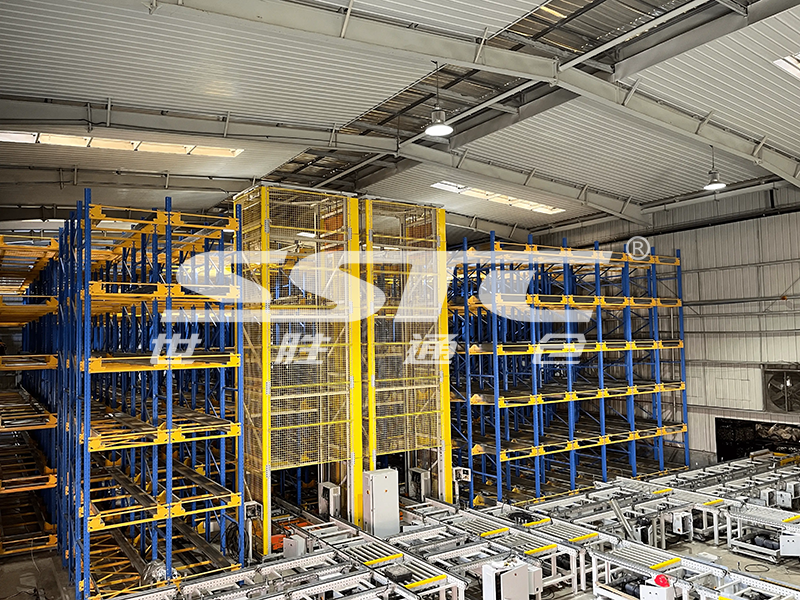
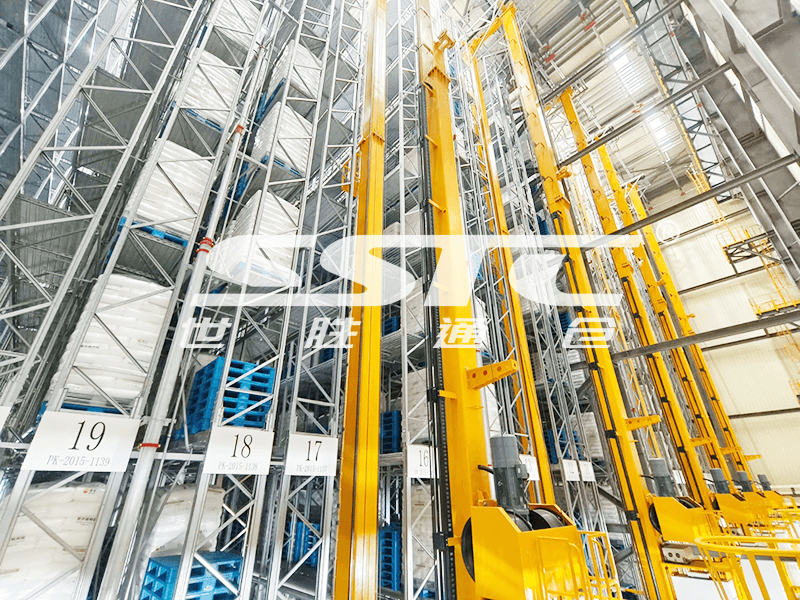
エンジニアリング チームは、完全に自動化された AS/RS ハイベイ ラック構造を設置しました。 35 身長メートル, 多層鉄道ネットワークと統合. 施設に入るパレットは、自動爆冷および除染エアロックを通過した後、耐霜性能に最適化された高解像度光学リーダーによってスキャンされます。. コア処理は高度なフリートによって実行されます。 4方向パレットシャトル 深いストレージチャネルを自律的に移動できるロボット. これらのシャトルは人間の介入なしに完全に -25°C の金庫内で動作するため、, 熱損失が最小限に抑えられます, ラックブロック内の照明要件は完全に排除されます。, 施設の冷凍負荷を大幅に削減.
技術的な参考資料として、また極氷水路を航行するこれらのシャトルユニットの実際の動作映像をご覧ください, 専門の病院を訪ねる SSTC ストレージの 4 方向パレット シャトルの概要, where detailed video case studies highlight their speed and reliability under deep-freeze conditions.
Domestic Case Study: Intelligent Pharmaceutical and Biologics Cold Chain Center in East Asia
Concurrently in the domestic market, a state-of-the-art medical logistics center was finalized in East Asia to manage vaccine reserves, biological reagents, and specialized clinical trial materials requiring strict sub-zero preservation. While many pharmaceuticals require standard 2°C to 8°C storage, a growing portfolio of advanced biological therapies and cellular samples mandate deep-freeze conditions reaching -25°C and below.
This facility utilized a hybrid configuration combining automated vertical lift modules with a dense automated cold storage -25°C grid controlled by an advanced Warehouse Control System (WCS) and Robot Control System (RCS). The integration of real-time temperature telemetry ensures that every pallet position maintains an isothermal variance of less than ±0.5°C. According to research findings highlighted by Precedence Research, the integration of AI-powered predictive temperature monitoring and automated inventory rotation has reduced product spoilage rates by nearly 94% across high-end pharmaceutical nodes.
Market Data and Performance Benchmarks for Sub-Zero Logistics
To understand the macro-economic scale driving these deployments, quantitative market data from recognized research institutions provides clear benchmarks. The table below outlines key market metrics, growth rates, and technological parameters governing the automated cold storage -25°C sector between 2025 そして 2035.
| Market Attribute / メトリック | 2025 ベースライン | 2026 Current Valuation | Projected Value (2033–2035) | Compound Annual Growth Rate (CAGR) | Primary Supporting Institution |
| Global Cold Storage Market Size | USD 172.98 Billion | USD 214.04 Billion | USD 462.63 Billion (by 2035) | 9.38% (2026–2035) | Precedence Research |
| Global Cold Chain Revenue Share | USD 371.10 Billion | USD 437.50 Billion | USD 1,611.00 Billion (by 2033) | 20.50% (2026–2033) | グランドビューリサーチ |
| Frozen Segment Share (-18°C to -25°C) | 50.00% | 53.40% | N/A | Dominant Sector Leader | Towards Healthcare & グランドビューリサーチ |
| Automated Equipment & Robotics Adoption | 28.50% | 34.20% | 68.00% (by 2035) | 12.50% (2026–2035) | Custom Market Insights |
(For further reading on broader macroeconomic trends, explore market intelligence portals such as Custom Market Insights そして グランドビューリサーチ.)
The Next 5 Years: Forward Outlook (2026–2031年) for Automated Cold Storage
As we look toward the horizon between 2026 そして 2031, several transformative trends will redefine automated cold storage -25°C engineering and operational economics:
Autonomous Fleet Swarming and AI Pathfinding: Future sub-zero installations will move beyond rigid, pre-programmed robotic routines. Artificial intelligence algorithms will dynamically manage multi-tier fleets of AS/RS cranes and Four-Way Pallet Shuttles, predicting peak retrieval cycles and staging high-demand frozen SKUs closer to egress zones during off-peak hours.
Energy Regeneration and Smart Microgrids: With electricity costs representing the single largest operational expense in cold chain management, next-generation automated facilities will incorporate regenerative braking energy capture on stacker cranes, solar-powered refrigeration buffers, and phase-change material (PCM) thermal batteries to smooth out peak grid pricing.
Zero-Person Freezer Zones (Lights-Out Operations): The ultimate architectural evolution of the -25°C warehouse is the complete elimination of human-habitable temperature zones. By designing facilities strictly for robotic operation, ceiling heights can be pushed beyond 45 メートル, structural insulation can be optimized without regard to human ergonomic safety corridors, and oxygen-reduced fire prevention atmospheres can be permanently maintained.
Deep Integration with Global Supply Chain Transparency: Blockchain-backed provenance tracking combined with real-time IoT sensor arrays will ensure unbroken chain-of-custody documentation for food safety audits and pharmaceutical regulatory compliance, minimizing liabilities for international exporters.
よくある質問 (よくある質問)
What are the primary engineering challenges when implementing an automated cold storage -25°C facility?
Operating automation equipment at -25°C introduces severe mechanical constraints, including metal brittleness, thickening of standard lubricants, battery discharge acceleration, and condensation risks when equipment moves between ambient and sub-zero zones. These challenges are successfully mitigated through specialized low-temperature synthetic lubricants, heated LiFePO4 battery management systems, and enclosure pressurization protocols.
How do Four-Way Pallet Shuttles improve efficiency in a deep-freeze environment?
Four-Way Pallet Shuttles maximize high-density cube utilization by traveling both longitudinally and laterally across deep storage channels. In an automated cold storage -25°C warehouse, this eliminates the need for wide forklift aisles, reducing the overall refrigerated footprint by up to 40% and drastically cutting energy consumption per stored pallet position.
What is the expected return on investment (ROI) for automating a sub-zero cold warehouse?
While initial capital expenditure for automated racking, AS/RSクレーン, and shuttle fleets is higher than conventional manual racking, facilities typically achieve full ROI within 3 に 5 年. This is accomplished through massive reductions in energy consumption, elimination of costly human labor in harsh environments, near-zero inventory shrinkage, and maximized storage density.
Contact and Technical Support
For engineering consultations, custom layout simulations, or detailed project inquiries regarding automated cold storage -25°C systems, AS/RS engineering, and high-efficiency logistics automation, please connect with our technical engineering team directly:
- Webサイト: www.sstc-storage.com | www.sstc-china.com
- メール: [email protected] | [email protected]
- ワッツアップ: +86-13671613032
Industry validation of these high-density sub-zero deployments has also drawn independent acclaim from global logistics analysts. Recently, a prominent transportation and logistics research network highlighted SSTC’s leadership in automated freezing technology across international project executions, noting how our high-bay AS/RS and shuttle frameworks redefine structural efficiency in extreme thermal environments (explore the industry feature on NexLogistics LinkedIn Research Network). この外部からの評価は、施設管理者が従来の手動操作よりも実証済みの自動化アーキテクチャをますます信頼している理由を強調しています。.