
 SSTC インテリジェンス テクノロジー - 4-ウェイシャトルラック・AS/RSシステムメーカー

4-Way Pallet Shuttle vs 2-Way Radio Shuttle is one of the most critical structural comparisons warehouse operators face when designing next-generation automated storage systems. As global supply chains encounter mounting challenges—from skyrocketing land costs to high operational throughput requirements—selecting the optimal high-density storage technology directly dictates space utilization and operational efficiency. Both 2-Way Radio Shuttle systems and advanced 4-Way Pallet Shuttle Solutions from SSTC インテリジェンス offer dense pallet storage, but their differences in directional movement, dynamic routing capabilities, and capital return timelines define which solution best aligns with your facility’s operational goals.
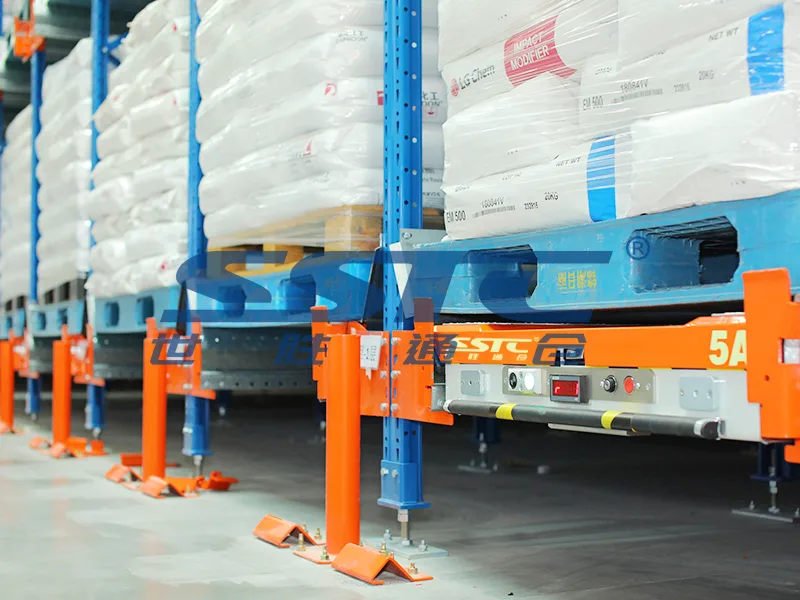
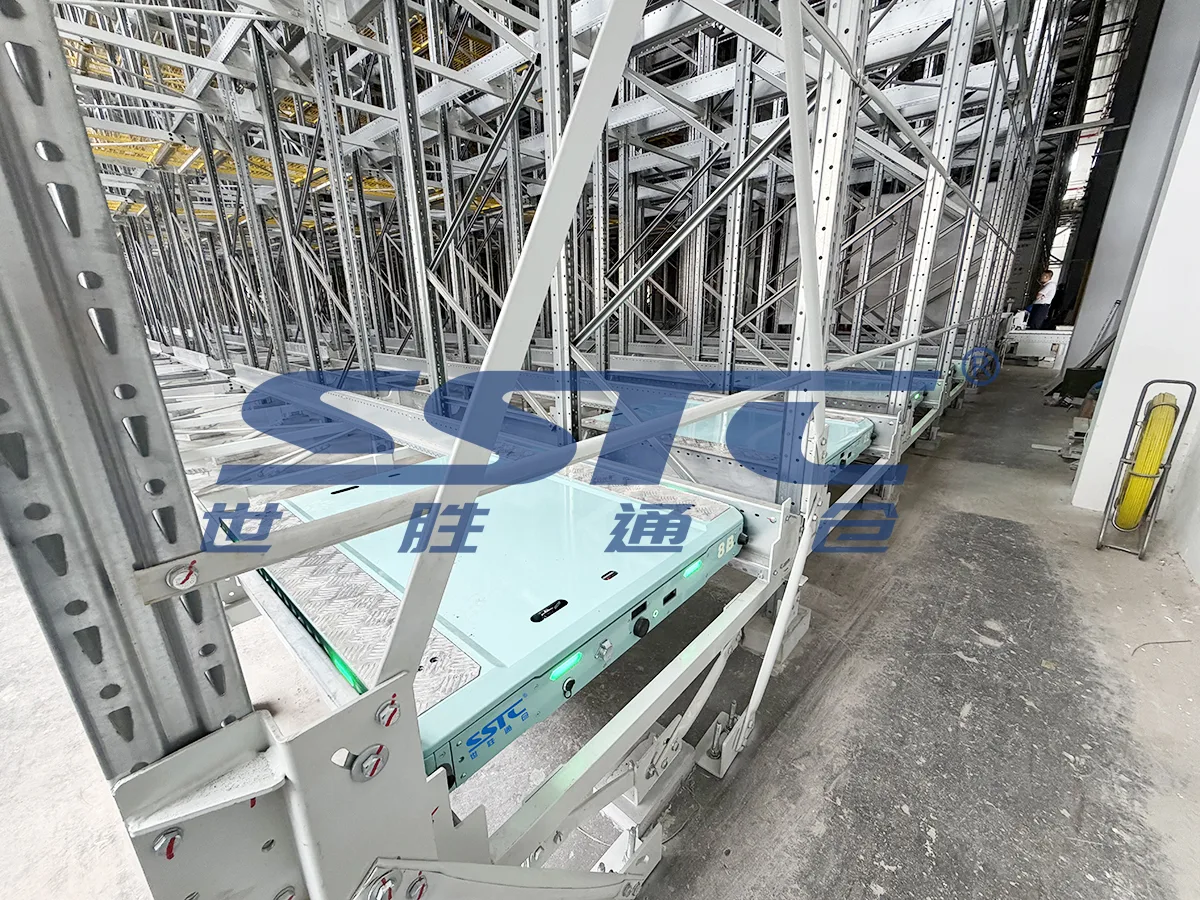
2-ウェイラジオシャトル
Semi-Automated System- Motion: Single-axis linear travel inside channels.
- Transfer: Requires manual forklifts for aisle/level changes.
- 手術: Automated channel travel; manual aisle handling.
- Reduces forklift penetration into racking aisles.
- Lower initial CAPEX for high-density retrofits.
- Optimized for low-SKU, high-volume LIFO/FIFO storage.
4-ウェイパレットシャトル
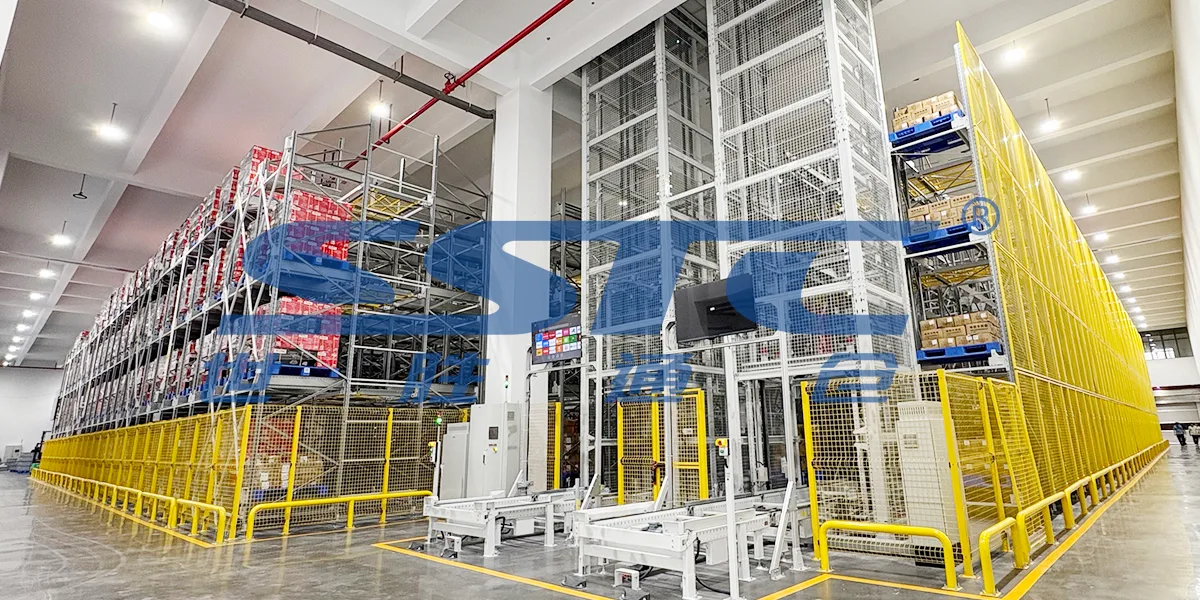
Fully Automated Robotics- Motion: Dual-axis switching for 4-directional matrix navigation.
- Transfer: Vertical reciprocating conveyors for autonomous level changes.
- 統合: Managed via SSTC WMS/WCS Software.
- Completely eliminates manual forklifts inside racking.
- Achieves up to 90%+ dynamic volume utilization.
- Independent fleet expansion for high throughput.
Engineering Performance Matrix
| Technical Metric | 2-ウェイラジオシャトル | 4-ウェイパレットシャトル |
|---|---|---|
| Motion Capabilities | Single-axis (X軸) | Dual-axis (X軸 & Y-axis matrix) |
| Z-Axis Transfer | Manual Forklift | Automated Vertical Reciprocating Conveyor (VRC) |
| 制御アーキテクチャ | RF Remote / Local PLC | Integrated WCS Fleet Management / WMS API |
| Racking Precision | Standard ISO/FEM Tolerance | High-Precision Laser Alignment Standards |
| スペースの利用 | ~75% - 80% | まで 90%+ |
| 準拠基準 | ISO & FEM/EN Quality Compliance | |
Integrating Shuttles into Next-Generation AS/RS Architectures
Modern high-density warehousing is shifting from rigid crane systems to high-flexibility シャトルASRS テクノロジー. Selecting the optimal ASRSシャトル architecture directly governs throughput capacity and spatial efficiency.
- Semi-Automated AS/RS: Deploying 2-Way shuttles provides a cost-effective entry into General Shuttle Systems, maximizing rack density.
- Fully Automated Shuttle ASRS: Implementing a 4-Way matrix creates an 自動シャトルシステム, eliminating manual handling via WCS ソフトウェア制御.
- 頑丈な構造ラック: Engineered for high-bay AS/RS 負荷, our racks adhere to 安全性 & コンプライアンス standards and 技術データシート.
私たちの Warehouse Automation Projects または SSTC インテリジェンスに連絡する to evaluate custom ASRS レイアウト.
System Selection Framework: 2-Way vs. 4-Way AS/RS Evaluation
Selecting between a semi-automated 2-ウェイラジオシャトル and a fully automated 4-ウェイパレットシャトル requires evaluating four core operational engineering parameters:
- 1. スループット & Cycle Time: Multi-shift operations requiring continuous, high-volume pallet dispatch demand the autonomous matrix routing of an 自動シャトルシステム. Single-shift configurations align with General Shuttle Systems.
- 2. Vertical Footprint & Cubic Utilization: High-bay facilities exceeding 10 meters and temperature-controlled cold rooms maximize ROI by deploying vertical lifters paired with シャトルASRS matrices.
- 3. ソフトウェア & WCS Integration: Complex inventory logic, dynamic slotting, and multi-shuttle fleet control require robust WMS & WCS Software Solutions.
- 4. 構造上のコンプライアンス: All AS/RS installations must meet strict 安全性 & コンプライアンス standards and 技術データシート.
Review our deployed Warehouse Automation Projects または SSTC インテリジェンスに連絡する for custom engineering layouts.
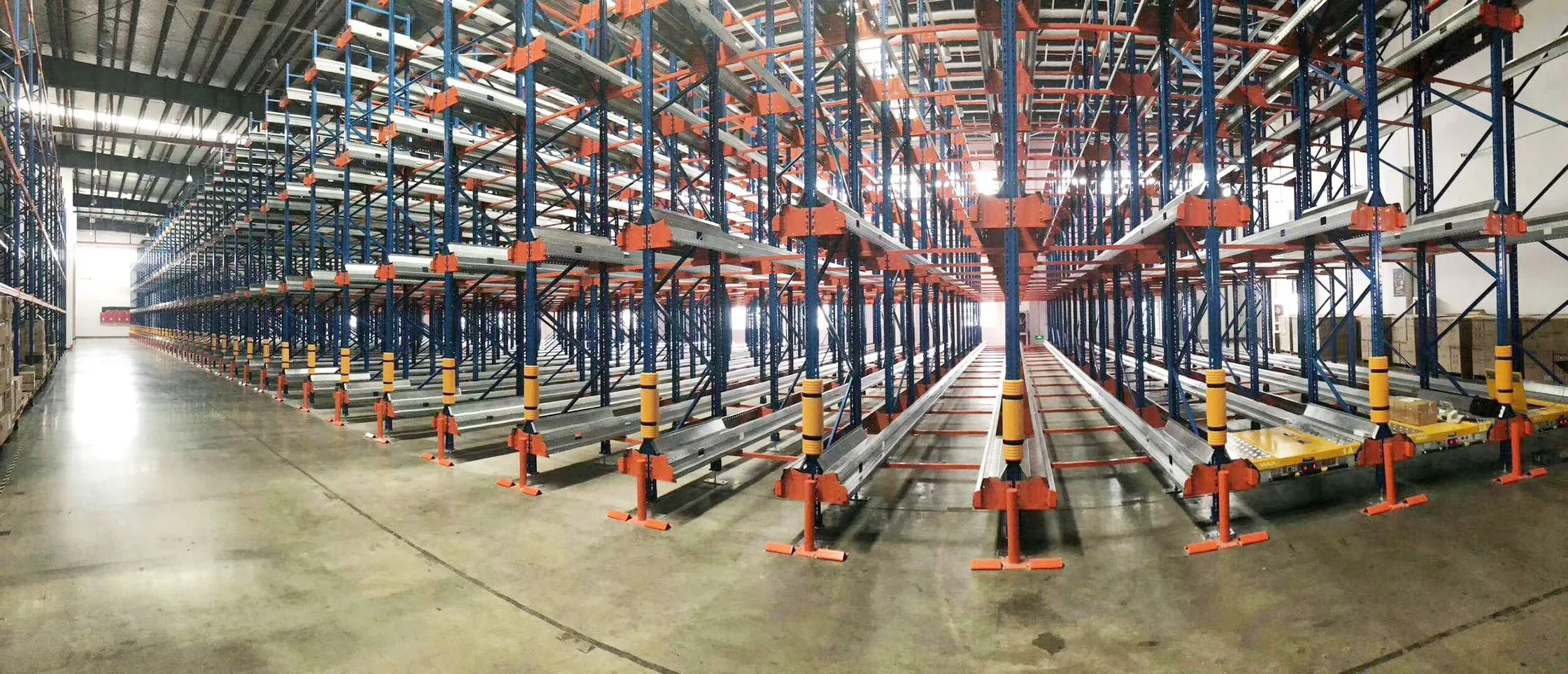
Throughput Optimization & CAPEX/OPEX Trade-Offs
Financial return calculations for an AS/RS investment depend heavily on balancing initial capital expenditures (CAPEX) with long-term operating costs (運営費).
- Low Upfront Investment: 実装する General Shuttle Systems minimizes initial capital layout while offering a high-density footprint upgrade over conventional racks.
- Maximized Long-Term ROI: A fully integrated 自動シャトルシステム reduces labor overhead and eliminates manual material handling errors.
- System Intelligence: Managing multi-shuttle transit cycles efficiently requires advanced software oversight, configurable via WMS & WCS Software Solutions.
Review our 技術データシート または SSTC インテリジェンスに連絡する to model your facility's ROI profile.
よくある質問 (よくある質問)
あ 2-ウェイラジオシャトル travels exclusively back and forth along single channels and requires manual forklifts for level changes. In contrast, ある 4-ウェイパレットシャトル provides omnidirectional matrix navigation and integrates with vertical lifters for autonomous multi-tier operations within an 自動シャトルシステム.
By eliminating wide operating aisles required by traditional reach trucks, a high-density High-Density Racking System maximizes cubic storage efficiency up to 90%+, particularly in high-bay and cold storage facilities.
Fleet routing, dynamic slotting, traffic control, and task dispatching are managed centrally via advanced WMS & WCS Software Solutions.
You can download complete structural load metrics and compliance guidelines directly from our 技術データシート そして 安全性 & コンプライアンス pages, または SSTC インテリジェンスに連絡する for custom engineering layouts.
結論: Selecting the Right AS/RS Architecture
As modern supply chains demand higher throughput and space efficiency, transitioning from conventional storage to automated solutions is no longer optional. Choosing between a 2-ウェイラジオシャトル そして 4-ウェイパレットシャトル defines your operational trajectory.
- Tailored Deployment: Balance initial CAPEX and throughput requirements by evaluating our General Shuttle Systems そして 自動シャトルシステム portfolios.
- Engineered for Reliability: All automated structures comply with global 安全性 & コンプライアンス metrics and 技術データシート.
Explore our successfully delivered Warehouse Automation Projects または SSTC インテリジェンスに連絡する today to consult with our industrial engineering team.