
 Technologie de renseignement SSTC - 4-Fabricant de rayonnages Way Shuttle et de systèmes AS/RS

Architecting modern supply chain efficiency around an Intelligent AS/RS Warehouse transforms logistics facilities from static storage containers into high-density, high-throughput operational engines across global markets in 2026. For enterprises facing SKU proliferation, demand volatility, and rising real estate costs, automated vertical storage and software-driven material handling have become essential strategic priorities. Following MHI warehouse automation guidelines, integrated vertical machinery and intelligent software control bridge industrial hardware and data-driven logistics.
À Technologie de renseignement SSTC, we engineer Entrepôt AS/RS ecosystems guided by four core pillars: Sûr, Intelligent, Digne de confiance, et pratique. Our engineering teams help manufacturing plants, cold chain hubs, and regional distribution centers convert limited square footage into reliable, high-speed inventory capacity.
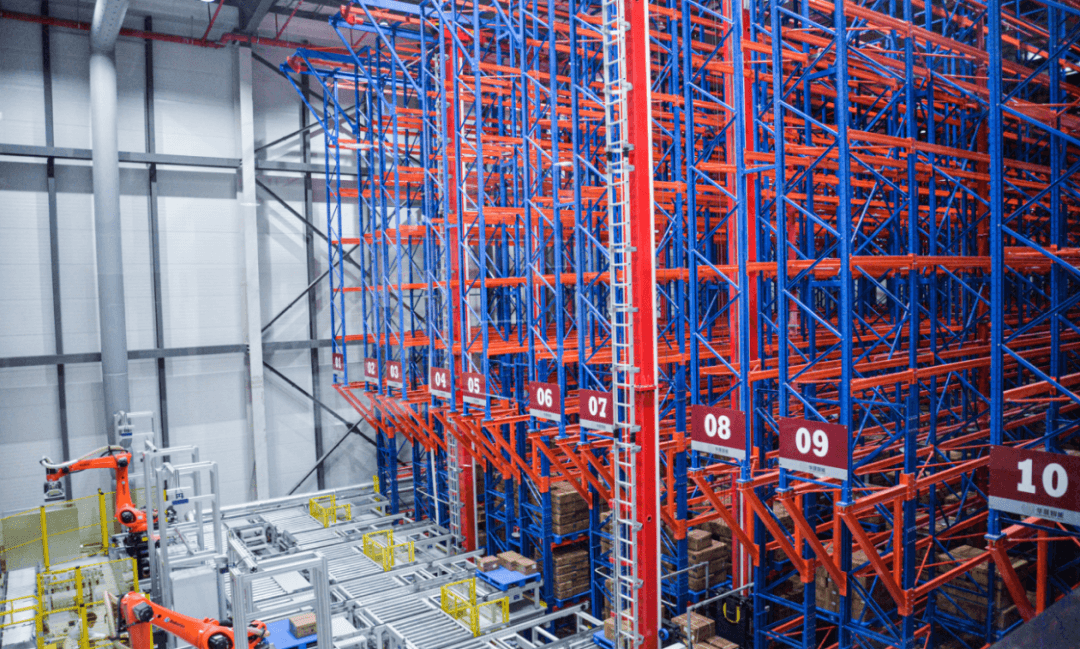
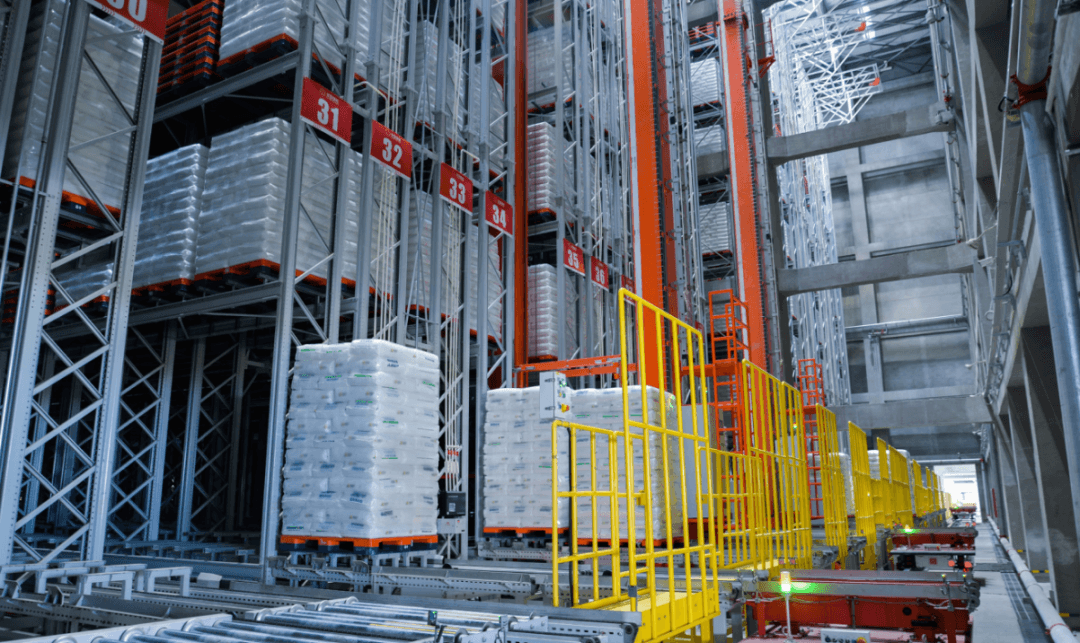
1. Core Components of High-Performance Automated Warehousing
Effective automated storage unites heavy structural racking, precision handling units, and synchronized control software so every pallet moves safely and predictably:
UN. Rayonnage, Transstockeur & Shuttle Units
- Structures de rayonnages haute densité: Engineered frames supporting Soutirage de la navette radio et Stockage de navettes de palettes à quatre voies layouts without structural fatigue under continuous high-speed cycles.
- Transstockeur & Navettes à quatre voies: Sub-millimeter pallet positioning in high-bay aisles alongside omnidirectional shuttle movement for dynamic lane access.
B. WMS/WCS Integration Layer
- Real-Time ERP & FIFO/LIFO Control: Système de gestion d'entrepôt (WMS) et WMS/WCS software synchronize with enterprise ERP systems to track every pallet across strict FIFO or LIFO workflows.
- Continuous Conveyor & Lift Links: Lifter conveyor lines connect receiving stations, high-bay aisles, and shipping docks smoothly.
2. Economic Impact & Retour sur investissement: Espace, Vitesse, and Accuracy
Evaluated across Total Cost of Ownership (Coût total de possession), un Intelligent AS/RS Warehouse delivers compounding returns across real estate, débit, and inventory control. Recherche publiée dans MDPI industrial engineering studies demonstrates that compact vertical storage and automated handling lower energy intensity per stored unit across high-density facilities.
Rather than paying repeatedly for land expansion or enduring picking mismatches, automated storage aligns pallet velocity with outbound shipping demand while maintaining clear auditability across every storage tier.
| ROI Driver | Traditional Manual Operations | Automated High-Bay Storage |
|---|---|---|
| Optimisation de l'espace | Wide forklift aisles limit vertical and floor density | Jusqu'à 80% plus haut vertical storage density |
| Débit & Cycle Time | Operator fatigue and variable travel speeds | Consistent 24/7 débit and faster dock dispatch |
| Précision des stocks | Manual misplacement and periodic stocktake overhead | 99.9%+ précision via automated location mapping |
3. Vertical Industry Expertise & Lifecycle Partnership
SSTC Intelligence Technology tailors every Intelligent AS/RS Warehouse deployment to demanding industrial operating conditions while supporting full project lifecycles from ROI modeling and compliance engineering to installation, entretien, and modular expansion:
- Matériaux de construction: High-capacity structural racking and FEA-verified load frames engineered for heavy, bulky tiles, sol, et composants de construction.
- Entreposage frigorifique: Condenses chilled air volume inside temperature-controlled zones while automated cranes and shuttles operate reliably down to -25°C where manual work becomes difficult.
- Appareils électroménagers: Smooth acceleration and deceleration profiles protect large, delicate appliance packaging and surface finishes from handling impacts.
- Modular Lifecycle Scalability: Modular aisles, crane fleets, shuttle carriers, and software modules expand smoothly as SKU counts and order volumes grow over coming decades.
4. Structured Implementation Roadmap
Deploying an Intelligent AS/RS Warehouse follows disciplined engineering stages that protect capital expenditure and minimize operational disruption:
- Étape 1 — Site & SKU Assessment: Evaluate building clear height, floor load limits, dimensions de la palette, and seasonal order peaks.
- Étape 2 — Simulation & Structural Design: Model hourly put-away and retrieval cycles alongside structural rack engineering prior to fabrication.
- Étape 3 — Turnkey Installation & Intégration: Complete mechanical erection, safety interlock testing, and WMS/WCS/ERP data synchronization.
- Étape 4 — Commissioning & Ongoing Support: Train onsite teams and provide continuous technical service and diagnostics for long-term uptime.
Architect Your Next-Generation Facility With SSTC
Explorez notre 2026 Logistics Automation Guide and consult our engineering team for site evaluation, throughput modeling, and custom Intelligent AS/RS Warehouse proposals:
- Site officiel: www.sstc-storage.com
- Consultation par courrier électronique: [email protected] | [email protected]
- WhatsApp / Téléphone: +86-13671613032