Le fournisseur de fabrication professionnel de solutions de stockage haute densité en Chine


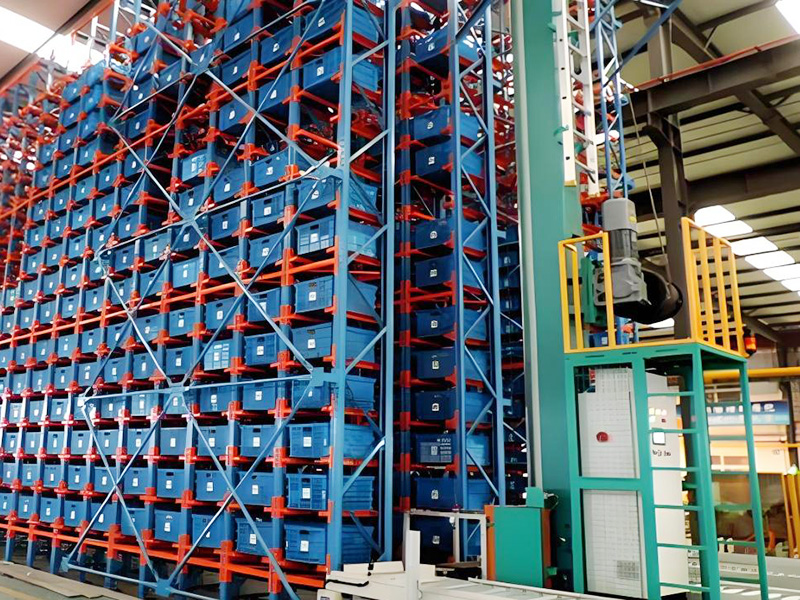
| Système automatisé de stockage et de récupération SSTC fonctionnant dans une installation moderne de stockage de produits chimiques et de matériaux avancésChinois/CN

How Does AS/RS Work In The Automatic Warehouses? - Systèmes de stockage AS/RS haute densité SSTC Intelligence

Comment fonctionne AS/RS dans les entrepôts automatiques?

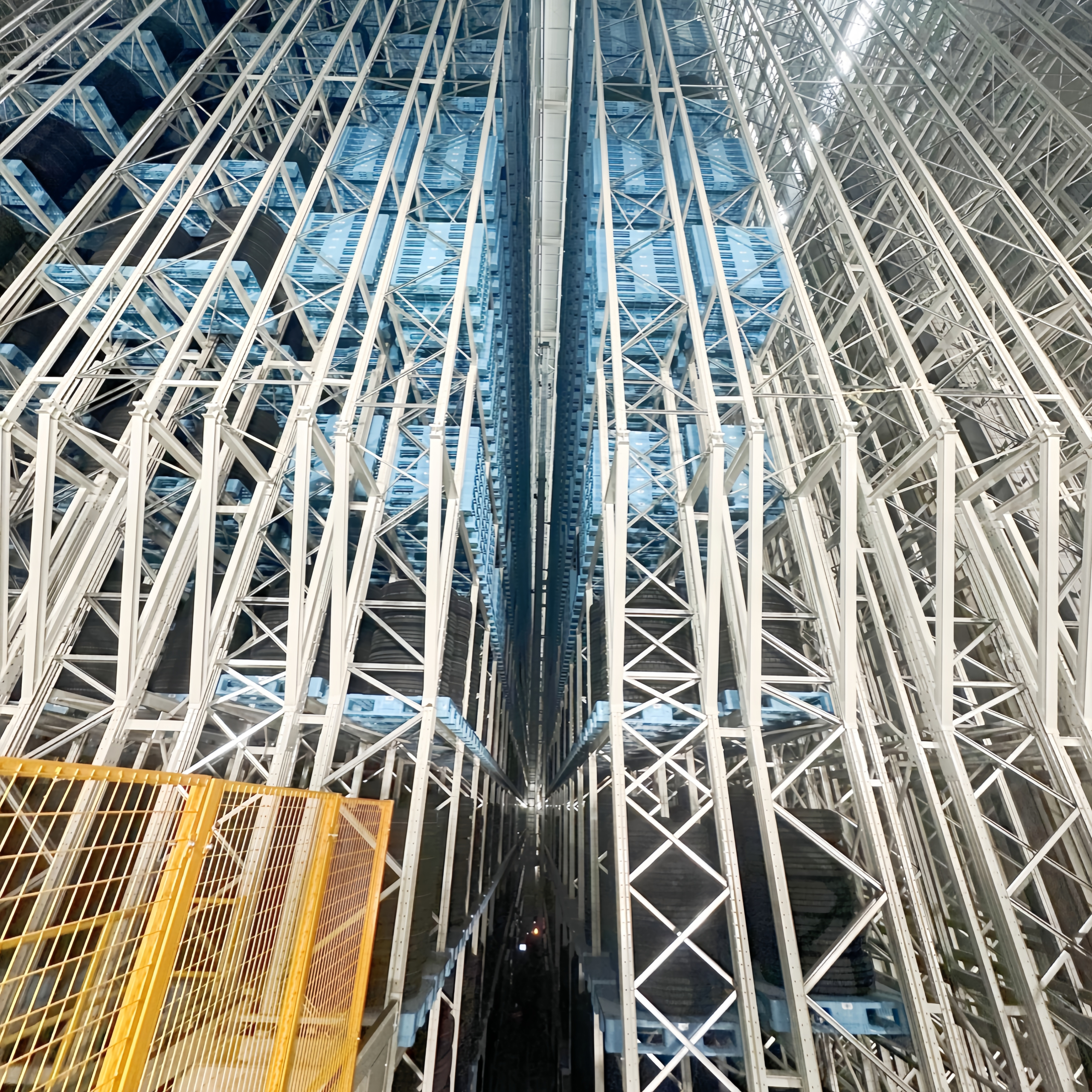
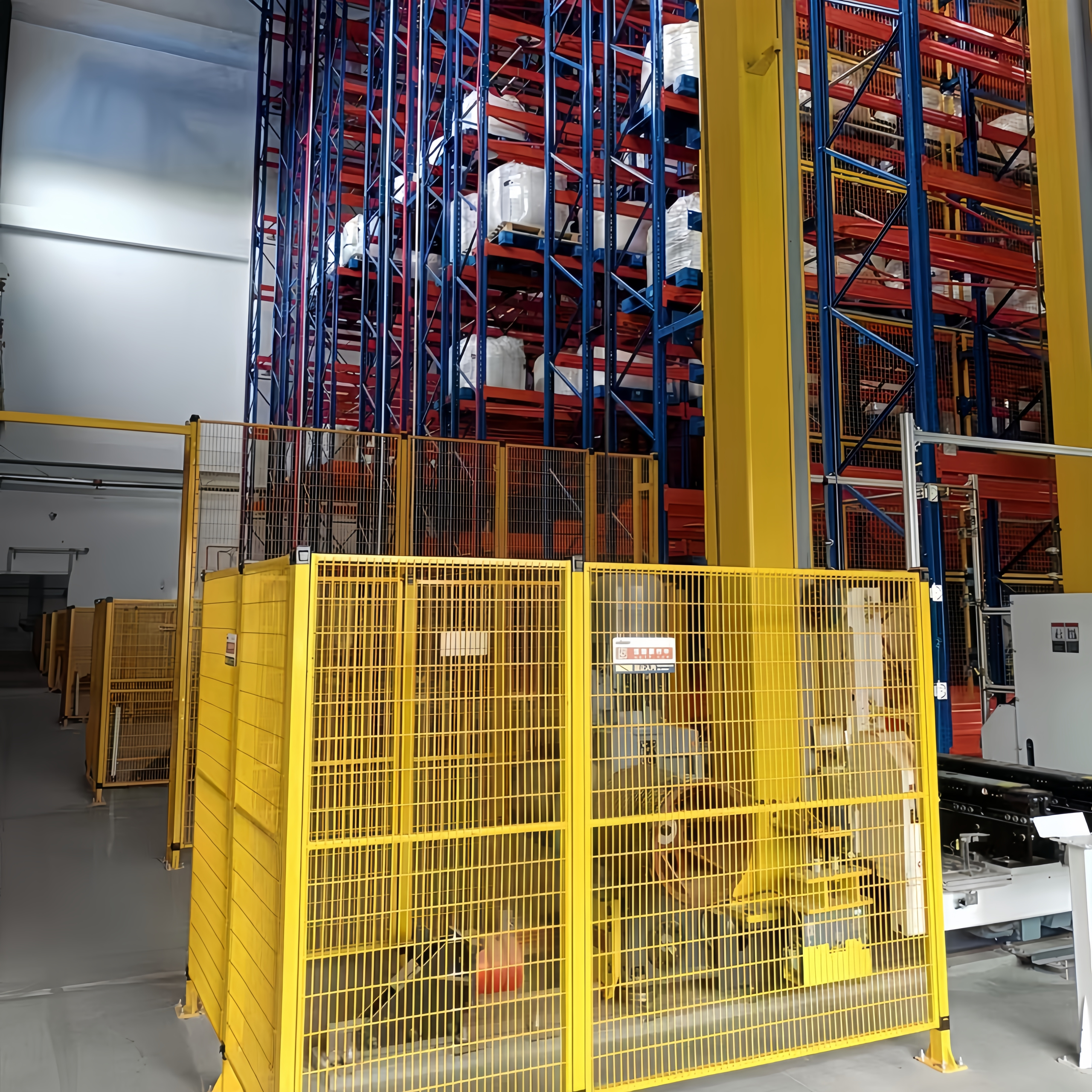
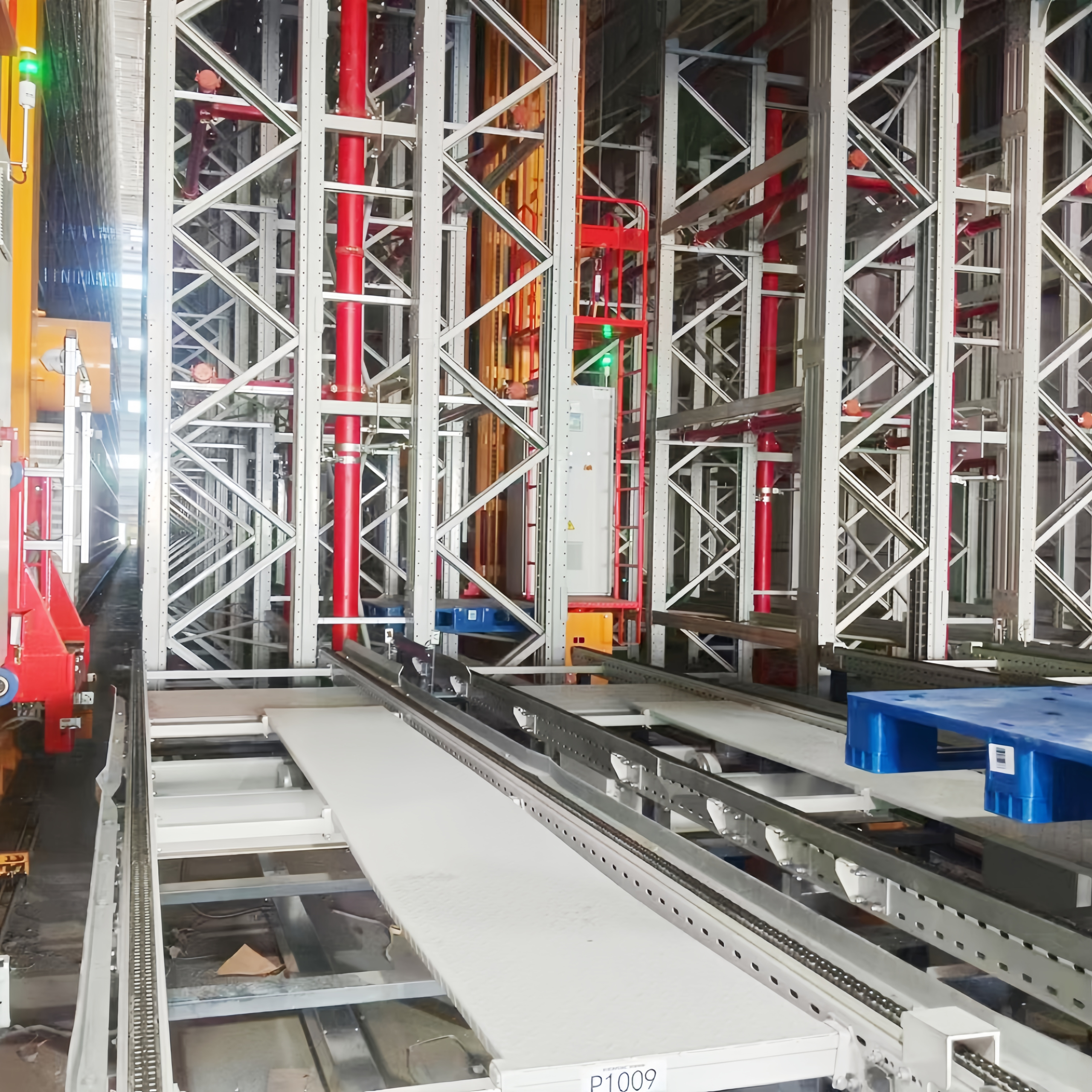
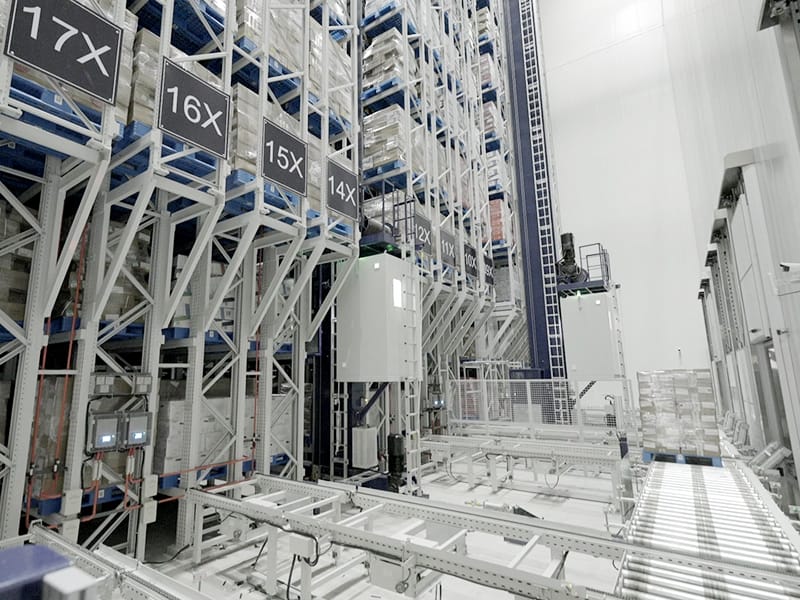
In an automatic warehouse storage project of AS/RS, bien sûr, son nom complet de système automatisé de stockage et de récupération, we should know how AS/RS work. In this article, SSTC will make some introductions.

An automated warehouse uses robotics, logiciel, and special machines to do storage and distribution jobs with little help from people. Capteurs, convoyeurs, and artificial intelligence help keep track of inventory and move goods quickly. Only about 5% of warehouses in the world are fully automated. Most warehouses, about 80%, still use manual work. But more companies are starting to use warehouse automation to make things faster and more accurate. Technologies like automated guided vehicles, RFID, and machine vision help these new systems work well.

Key Takeaways

  • Automated warehouses use robots and smart technology. They store and move goods faster than manual warehouses. Ils le font aussi avec plus de précision.
  • Ces entrepôts économisent de l'espace et réduisent les erreurs. Ils améliorent la sécurité en utilisant des machines comme des bras robotisés et des convoyeurs. Ils utilisent également des véhicules à guidage automatique.
  • L'automatisation aide les entreprises à réduire leurs coûts en ayant besoin de moins de main d'œuvre. Cela réduit également les erreurs et utilise mieux l’espace. Cela conduit à un traitement des commandes plus rapide.
  • Des systèmes intelligents dotés d'IA et de capteurs suivent les stocks en temps réel. Cela aide les entrepôts à éviter les retards. Il satisfait les clients avec des livraisons rapides.
  • La mise en place d'un entrepôt automatisé nécessite de la planification et de la formation. Il a également besoin d'entretien. Mais cela rapporte en facilitant le travail, plus sûr, et plus efficace.

Définition

Un entrepôt automatisé utilise des machines et de la robotique pour stocker et déplacer les marchandises. Le logiciel aide à contrôler ces systèmes avec peu d'aide de la part des personnes. La technologie gère les stocks, déplace les produits, and fills orders. In regular warehouses, people do most jobs like picking, emballage, et expédition. Automated warehouses use sensors, conveyor belts, and robotic arms. These tools make work faster and more accurate.

Experts say there are big differences between automated and regular warehouses:

  • Robots can make workers much more productive and help warehouses run better.

  • Automated guided vehicles move things by themselves, so companies spend less on workers and get more done.

  • Conveyor systems carry items along fixed routes, so people do not have to move them.

  • Robotic arms pick up and place products quickly and with care, changing how work is done.

  • Pick-to-light and robotic picking cut down on mistakes and let warehouses work all the time, even when people take breaks.

Regular warehouses often cannot see their inventory in real time. This makes it hard to keep enough stock and grow the business. Automated warehouses use smart tools like sensors and RFID tags to track inventory right away. Data analytics and machine learning help guess what customers will want and fill orders, which means fewer mistakes and lower costs.
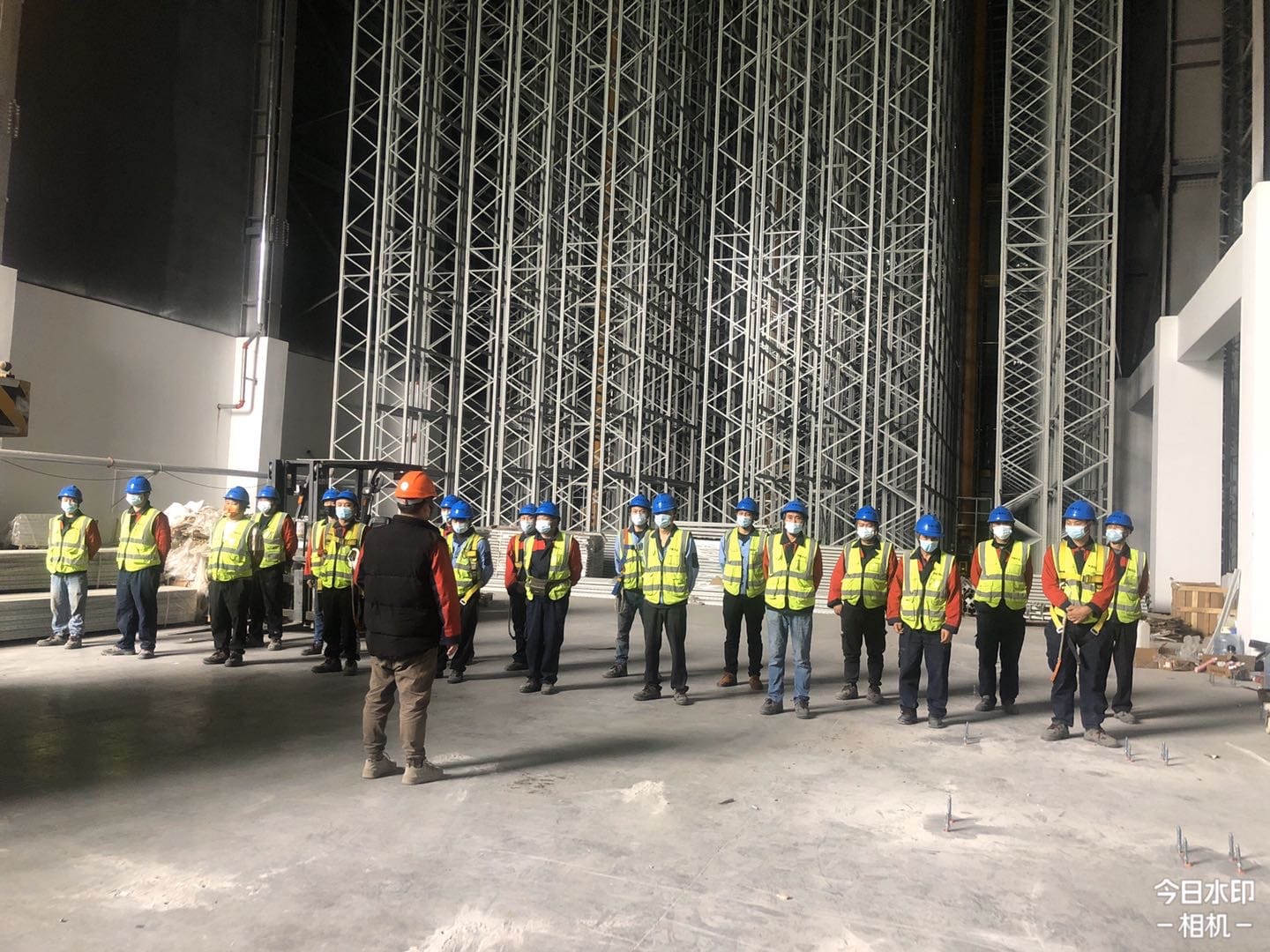
Transstockeur, 4-Façon Navette, Navette à quatre voies, Four Way Shuttle, AS/RS, ASRS, Radio Shuttle Carrier system,Système de navette radio,Radio Shuttle Rackings,Pallet Runners,Radio Shuttle Carrier Systems,ASRV,Pallet Rackings,Storage Rackings,Warehouse Rackings,Radio Shuttle Rackings,Pallet Runners,Radio Shuttle Carrier Systems,ASRV,Pallet Rackings,Radio Shuttle Rackings,Supports de navette radio,Chemin de palette,Taupe de palette,Radio Shuttle Cart,Wireless Remote Control Pallet Runner,Système de navette de palettes,Pallet shuttler,Pallet Shuttle Racks,Pallet Shuttle Rackings,Satellite Rackings,Satellite Rackings Runner,Satellite Racks,Satellite Rack Runner,Satellite Rackings,Satellite Pallet Racks,Satellite Pallet Rackings,Pallet Satellite Racks,Satellite Rackings,google,bing,yandex

Principales fonctionnalités

Automated warehouses are special because they use advanced technology and work very well. Voici quelques fonctionnalités principales:

  • Ils utilisent des systèmes automatisés de stockage et de récupération, robotique, robots mobiles autonomes, AGV, systèmes de convoyeurs, et logiciel de gestion d'entrepôt.

  • Les systèmes de marchandises à personne amènent les articles directement aux travailleurs, rendre les choses plus sûres et plus rapides.

  • Les modules de levage verticaux et les plateaux mobiles peuvent économiser jusqu'à 90% de surface au sol par rapport aux entrepôts classiques.

  • Le suivi en temps réel et la résolution des problèmes avant qu'ils ne surviennent permettent de maintenir le bon fonctionnement et d'éviter les retards..

  • La connexion aux systèmes d'entreprise permet de mieux contrôler les stocks et de faire moins d'erreurs.

  • Les entrepôts automatisés peuvent travailler jour et nuit sans se fatiguer, ils déplacent donc plus de marchandises et font moins d'erreurs.

  • La sécurité s'améliore parce que les gens n'ont plus besoin de se déplacer autant, donc les accidents arrivent moins.

  • Des systèmes fermés protègent les marchandises contre le vol, dommage, et se salir.

Note: Certains pensent que seules les grandes entreprises peuvent utiliser l’automatisation des entrepôts, but now businesses of any size can use it. Automation also makes jobs better by lowering hard work and letting people do more important tasks.

Warehouse automation is growing in many industries. In the last ten years, use has gone from 5% to about 25% of warehouses. Smaller companies use automation more now because it costs less. Companies want hardware and software that work together to save money and grow. As warehouses get bigger, AI and predictive analytics help manage them. In places with little space, like Europe and the U.S., vertical storage is needed. Not enough workers and higher costs also make more companies want to automate their warehouses.
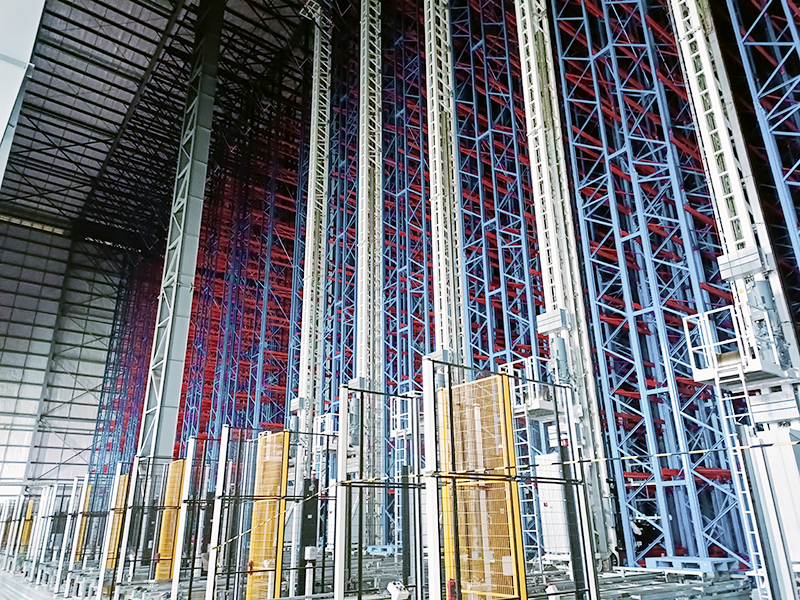
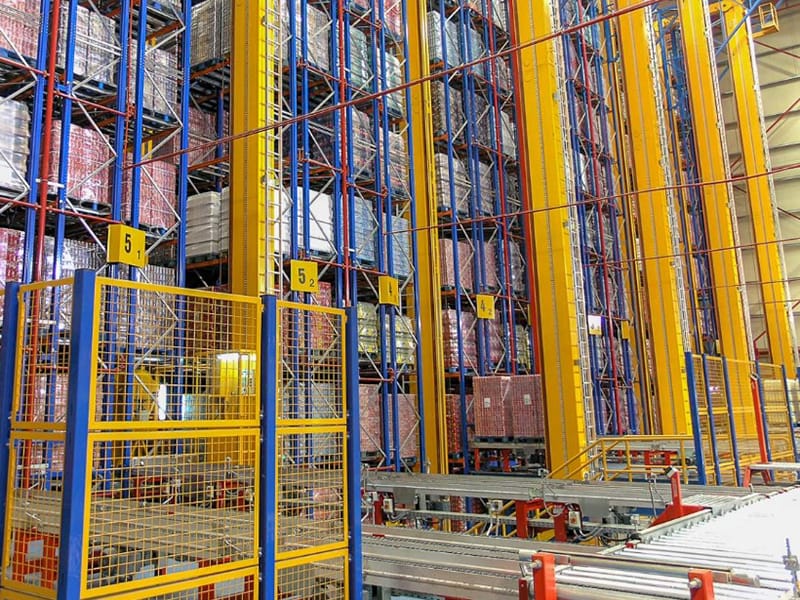
dj 13
dj 07

Warehouse Automation Technologies of AS/RS

Automated Warehouse Systems

Automated warehouse systems are very important for modern warehouses. These systems use machines, robotique, and software to move goods fast and correctly. There are many types of automated warehouse systems today:

  • Unit-load systems carry big things like full pallets or heavy parts.

  • Mini-load systems move smaller things like totes, trays, or boxes.

  • Micro-load systems handle tiny items, such as single parts.

  • Automated guided vehicles move materials on set paths.

  • Autonomous mobile robots use smart tools to move anywhere in the warehouse.

  • Conveyor systems move pallets and containers from place to place.

  • Cube storage systems stack goods tightly to save space.

  • Automated piece picking systems help small centers fill orders fast.

  • Robotic storage and retrieval solutions, like AutoStore, use robots to store and pick items.

  • Automated sortation systems use scanners and conveyors to sort products for shipping.

  • Les systèmes de sélection à la lumière et à la voix aident les travailleurs à trouver les articles avec des lumières ou avec la voix..

Systèmes automatisés de stockage et de récupération, appelé AS/RS, sont très importants dans ces configurations. AS/RS utilise des robots et des ordinateurs pour stocker et acheminer rapidement les marchandises. Ils comprennent l'unité de charge, mini-charge, et systèmes de micro-charge. Ces systèmes aident les entrepôts à utiliser moins d'espace, faire moins d'erreurs, et travailler mieux.

Conseils: Les systèmes d'entrepôt automatisés peuvent être modifiés pour différentes industries, comme les aliments surgelés, soins de santé, équipement de sport, et pièces de machines. Cela aide les entreprises ayant des besoins particuliers en matière de stockage et de manutention..

Des exemples concrets montrent à quel point ces systèmes sont puissants. Une entreprise chimique du Tennessee a remplacé un grand système d'étagères par deux modules de levage verticaux. Chaque module était terminé 36 pieds grands et tenus 76 trays. Ce changement a été enregistré 85% de surface au sol et fait de la place pour des racks plus hauts. Les modules de levage verticaux facilitent le travail, rendu la cueillette plus sûre, and gave real-time inventory data. Workers could get parts fast and safely, while the system tracked every item.

Robotics and AGVs

Robotics and automated guided vehicles, or AGVs, have changed warehouse work. Robots now do many jobs people used to do. AGVs follow set paths to move goods between storage, cueillette, and shipping areas. Robots mobiles autonomes, or AMRs, go even further. They use sensors and artificial intelligence to find the best way and avoid things in their path.

More companies are using robotics and AGVs in their warehouses. The global warehouse automation market, which includes AGVs and AMRs, may reach $30 milliards par 2025. This growth is because companies want to work faster, have fewer worker shortages, and use new technology. Sur 70% of companies use or plan to use AGVs or AMRs in their warehouses. Most users want to add three to ten more vehicles in the next two years.

Robotic arms help pick up and place products. Collaborative mobile robots, called cobots, work with people to make picking, bâtiment, and checking quality easier. These robots make work safer and lower the chance of injury. Automated sortation systems use scanners and conveyors to sort items fast and correctly.

Autonomous mobile robots are special because they are flexible. They can change their path quickly and work in busy warehouses. Many warehouses use natural navigation, so robots do not need special floor marks. This makes it easy to add more robots as the business grows.

AI and IoT

Artificial intelligence, or AI, and the Internet of Things, or IoT, make warehouse automation smarter. AI uses data and learning to help warehouses make better choices. Par exemple, AI can guess what customers will want, manage inventory, and plan the best picking routes. This helps stop mistakes and keeps shelves full.

IoT devices, like RFID tags and smart sensors, give real-time data about where goods are and how they are doing. Warehouse management systems use this data to track inventory, watch equipment, and find problems before they cause delays. Smart shelving systems change storage space based on product size and need, using every inch.

Computer vision systems check products for quality and help sort items. Automated storage and retrieval systems use AI to pick the best spot for each item. AI and IoT together make warehouses smart places. These tools cut downtime, help workers do more, and make customers happier.

Note: Automated warehouses often link all these tools with a central warehouse management system. This system controls robots, tracks inventory, and manages orders, making everything work smoothly from receiving to shipping.

03 1

Automated Warehouse Processes by AS/RS

Réception

Receiving is the first thing done in a warehouse. Workers and machines check goods when they come in. There are several steps to make sure everything is right:

  1. Documentation Verification: Staff check the shipment papers before unloading starts.

  2. Unloading: Robotic unloaders and conveyor belts move goods from trucks inside.

  3. Inspection and Verification: Quality checks help spot damage or mistakes, so there are fewer returns.

  4. Inventory Counting: Barcode scanners or RFID count items fast and update inventory right away.

  5. Data Entry and Updating WMS: Workers put information into the Warehouse Management System to keep track of goods.

  6. Storage/Putaway Strategies: The system puts goods in the best spots to save space and time.

  7. Automating the receiving process helps cut down on mistakes and moves goods faster. Real-time tracking and automatic data entry make this step more correct and quick.

Stockage

Storage uses special systems to keep goods safe and easy to find. Automated Storage and Retrieval Systems do most of the work. Operators only load or unload at certain stations. These systems move items faster than people and use space better, especially in tall warehouses.

  • AS/RS means workers do not have to move things by hand.

  • Real-time updates show where each item is kept.

  • Automation makes things safer for products and workers.

  • The system uses tall spaces, which helps when space is tight.

Warehouse automation in storage means fewer errors and better use of space.

Cueillette & Emballage

Picking and packing are important warehouse jobs. Automated picking systems and automated order picking help workers get the right items quickly. Many tools help with this:

TechnologyDescriptionBenefits/Use Cases
Pick-to-Light SystemsLights show workers where to go and how many items to pick.Fast picking, fewer mistakes, good for busy places.
Voice Directed PickingWorkers wear headsets and get spoken instructions.Hands-free, quick, and accurate.
Vision-Based PickingCameras and AI help find and check products.Very exact, used in special jobs.
Collaborative Robots (Cobots)Robots help lift, move, and scan items with people.Safer and faster work.
Conveyor BeltsMove items between picking and packing areas.Smooth flow, less lifting for workers.

Automated picking systems and software help plan the best way to pick and pack. This makes picking and packing faster and more correct.

Shipping

Shipping is the last warehouse step. Automation uses barcode scanners, RFID tags, and IoT sensors to track goods right away. Robots and AGVs move packages to shipping docks fast. AI helps sort orders and pick the best delivery routes.

Real-time data and automation lower mistakes and speed up shipping. Companies like Amazon use robots to move heavy things, making shipping faster and more correct. Connected systems link every part of the supply chain, so orders get to customers quickly.

15 1 escaladé
16 2 escaladé
14 1 escaladé

Solutions d'entrepôt automatisé & Benefits of AS/RS

Efficacité & Précision

Automated warehouse solutions help companies work faster and make fewer mistakes. These solutions use smart tools like pick-to-light, sélection vocale, and goods-to-person systems. These tools help workers find items fast and pack orders right. Companies get many good results:

  • RFID and tracking systems help keep inventory correct.

  • Automated systems lower mistakes in picking, emballage, et expédition.

  • Robots and conveyors help during busy times and do not slow down.

  • Automated storage and retrieval systems use space in a better way.

  • Warehouse execution systems make order processing faster.

  • Automated quality checks help lower the number of returned products.

These benefits make warehouses more productive and help workers do their jobs better. Companies can see all their inventory and trust the data they have.

Cost Savings

Automated warehouse solutions help companies save money in many ways. The table below shows how companies cut costs:

Cost Saving AreaImpact on Cost Savings
Labor CostsFewer workers needed, less travel time, higher productivity
Picking CostsLower picking costs, fewer errors, faster order handling
Utilisation de l'espaceLess floor space needed, more room for revenue activities
Injury CostsFewer injuries, lower compensation and absence costs
Error ReductionReduced error rate, fewer returns, better customer loyalty

Automation means companies need fewer people for simple jobs. This helps lower costs and lets companies use their resources better.

Évolutivité

Automated warehouse solutions help companies grow when they need to. They can add more robots, stockage, or workstations as needed. This modular design lets them expand fast without stopping work. Warehouse management systems and automated logistics solutions help companies change quickly and meet new needs. Businesses can add more during busy times and use less when things slow down.

Customer Satisfaction

Automated warehouse solutions help keep customers happy. Automated order management and warehouse management systems lower mistakes and make shipping faster. Real-time tracking lets customers see updates on their orders. Automated inventory management stops stockouts and delays. Companies deliver orders faster and with fewer mistakes, so customers are more satisfied.

Many companies use collaborative robots and predictive maintenance to keep machines working well. These trends help warehouses stay efficient and reliable.
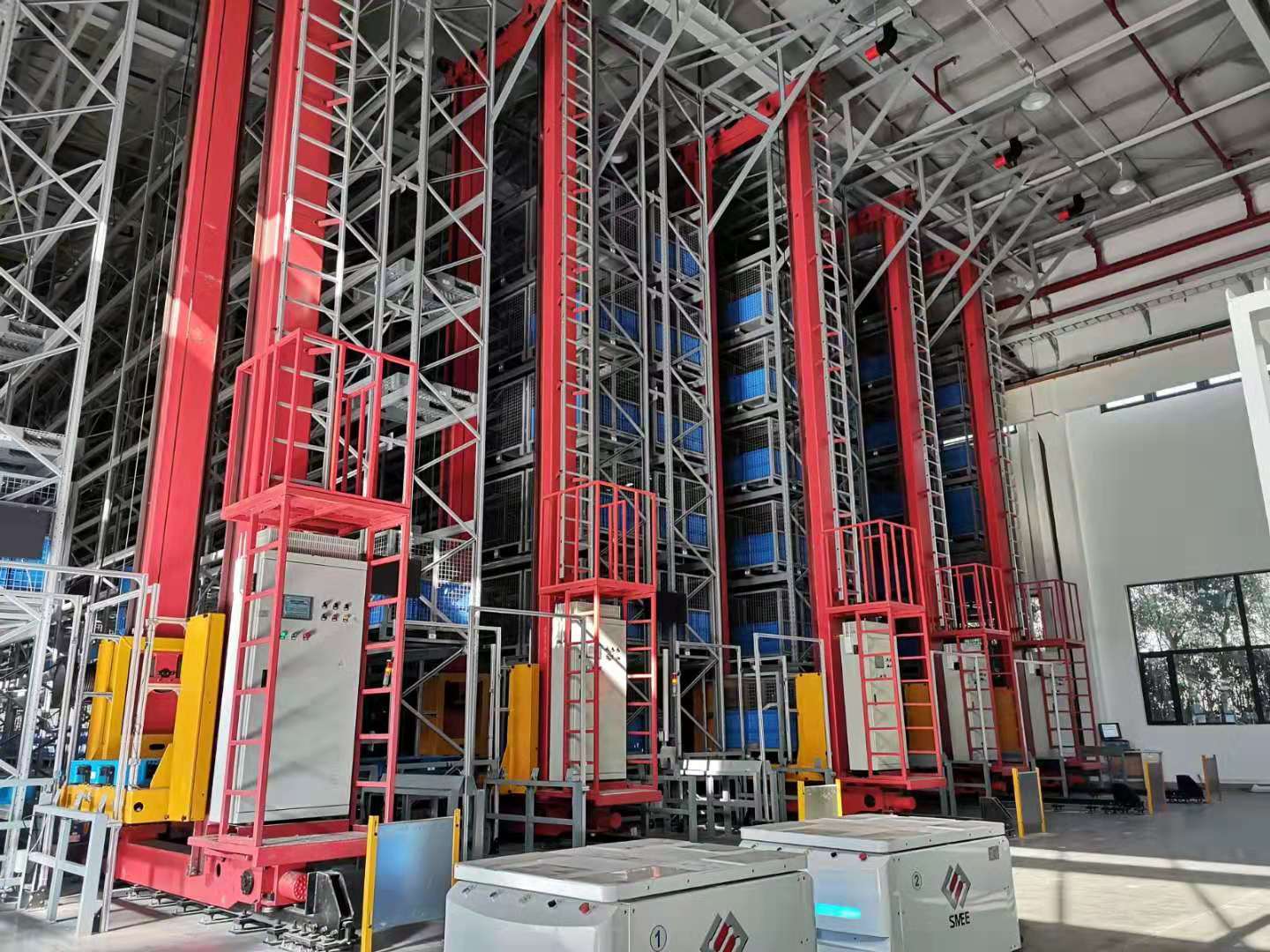
Transstockeur, 4-Façon Navette, Navette à quatre voies, Four Way Shuttle, AS/RS, ASRS, Radio Shuttle Carrier system,Système de navette radio,Radio Shuttle Rackings,Pallet Runners,Radio Shuttle Carrier Systems,ASRV,Pallet Rackings,Storage Rackings,Warehouse Rackings,Radio Shuttle Rackings,Pallet Runners,Radio Shuttle Carrier Systems,ASRV,Pallet Rackings,Radio Shuttle Rackings,Supports de navette radio,Chemin de palette,Taupe de palette,Radio Shuttle Cart,Wireless Remote Control Pallet Runner,Système de navette de palettes,Pallet shuttler,Pallet Shuttle Racks,Pallet Shuttle Rackings,Satellite Rackings,Satellite Rackings Runner,Satellite Racks,Satellite Rack Runner,Satellite Rackings,Satellite Pallet Racks,Satellite Pallet Rackings,Pallet Satellite Racks,Satellite Rackings,google,bing,yandex

Fully Automated Warehouse Considerations

Implementation

Setting up a fully automated warehouse takes many steps. D'abord, companies look at what they need and find slow spots in their work. They make clear goals, like faster shipping or better accuracy. Then, they plan how much money to spend on tools, logiciel, et formation. Picking a good automation partner is important for success. Suivant, they change the warehouse layout and connect new systems to old software. Workers learn how to use the new technology. The company tests everything before starting for real. They keep watching how things work to find ways to get better.

Conseils: Using test runs and small trials helps companies fix problems before going fully automated. This makes sure the warehouse works well for the business.

Frais & Retour sur investissement

A fully automated warehouse costs a lot at first. Companies pay for robots, logiciel, building changes, et formation. Most companies get their money back in two or three years. Automation can cut worker costs by up to 60%. It can also lower mistakes by up to 99%. Companies save space and ship orders faster. Some big projects take longer to pay off, but saving money and working faster make it worth it. Companies should check all costs and compare them to the gains from being more efficient and accurate.

Entretien

Keeping a fully automated warehouse running needs regular care. Companies make schedules for checking, cleaning, and fixing machines. Skilled workers look for problems and fix them early. Many companies use both their own workers and outside experts for repairs. Changing old parts and updating software helps stop sudden breakdowns. Watching machines from far away and using smart tools helps keep things working. Having extra parts and trained workers makes sure the warehouse does not stop.

Staff Training

Training workers is very important in a fully automated warehouse. Employees get hands-on lessons to use and fix the new systems. Training teaches safety, how to use software, and how to care for machines. Companies mix classroom lessons with real practice. Workers get new training when systems change or improve. Skill checks help find what workers need to learn more about. A helpful workplace makes it easier for workers to learn and change, so the warehouse works well.

An automated warehouse uses smart machines and software to help with work. This makes jobs faster, plus sûr, and more correct. Automation gives businesses many good things, comme:

  1. Orders get picked and packed much faster.

  2. Costs go down and there are fewer errors.

  3. Jobs are safer and space is used better.

  4. It is simple to grow and handle more orders.

Companies need to look at their goals. They should decide if automation is right for them.
dj 16
dj 03

FAQ

  • What is the main goal of an automated warehouse?
    The main goal is to move and store goods with less help from people. Automated systems help companies save time, spend less money, and make fewer mistakes.
  • Can small businesses use warehouse automation?
    Oui, small businesses can use automation too. Many systems now fit smaller places and cost less. Automation helps small companies grow and keep up with big ones.
  • How does automation improve warehouse safety?
    Robots and machines do the heavy lifting and moving. This helps keep workers safe from getting hurt. Automated systems also keep people out of dangerous spots.
  • What types of products work best in automated warehouses?
    Automated warehouses can handle many things, like boxes, palettes, and small parts. Items that are the same size and shape work best with these systems.
  • How long does it take to set up an automated warehouse?
    Le temps nécessaire dépend de la taille et du type de système. La plupart des configurations prennent quelques mois. Planification, entraînement, et les tests aident à ce que tout se passe bien.

Pour plus d'informations, veuillez contacter SSTC.

Précédent:

Suivant:

Laisser un message