The Professional Manufacturing Supplier of High Density Storage Solutions in China


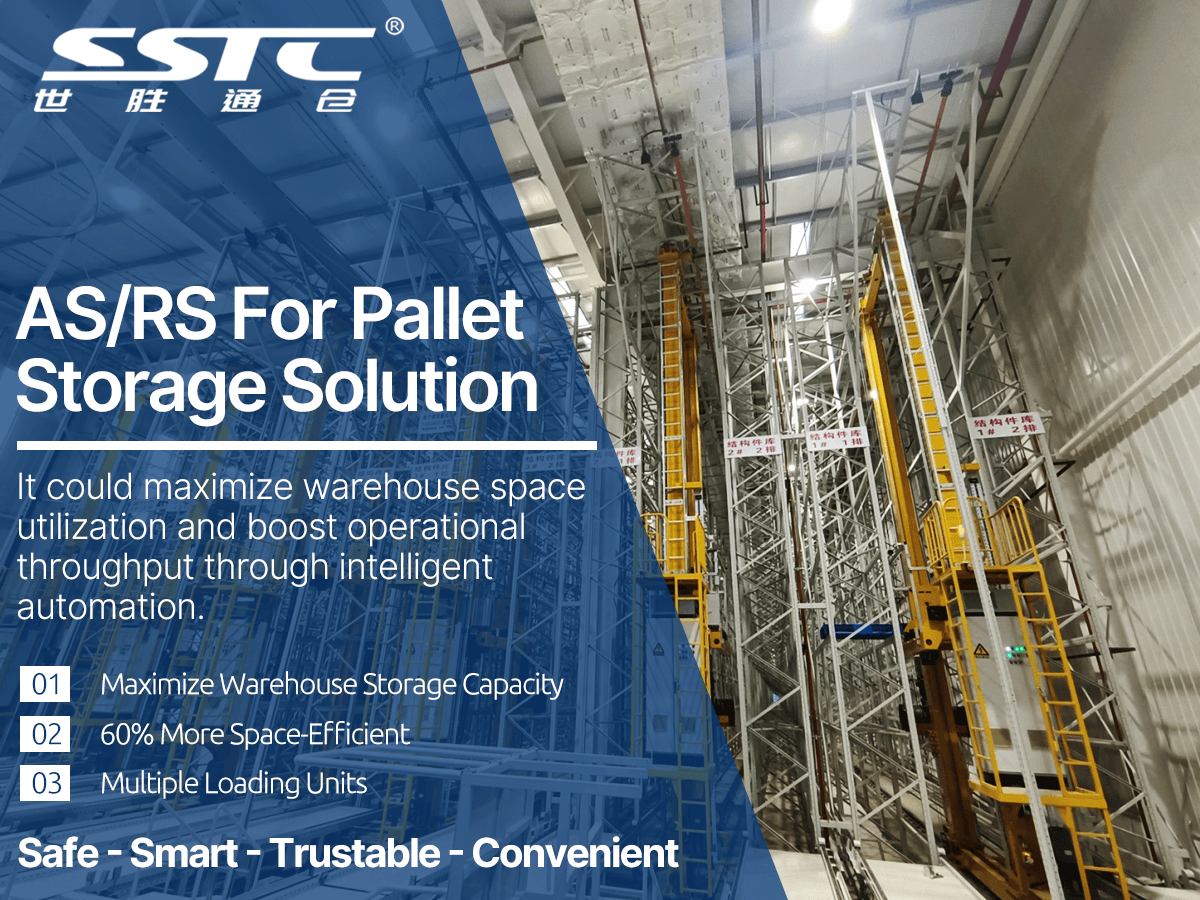
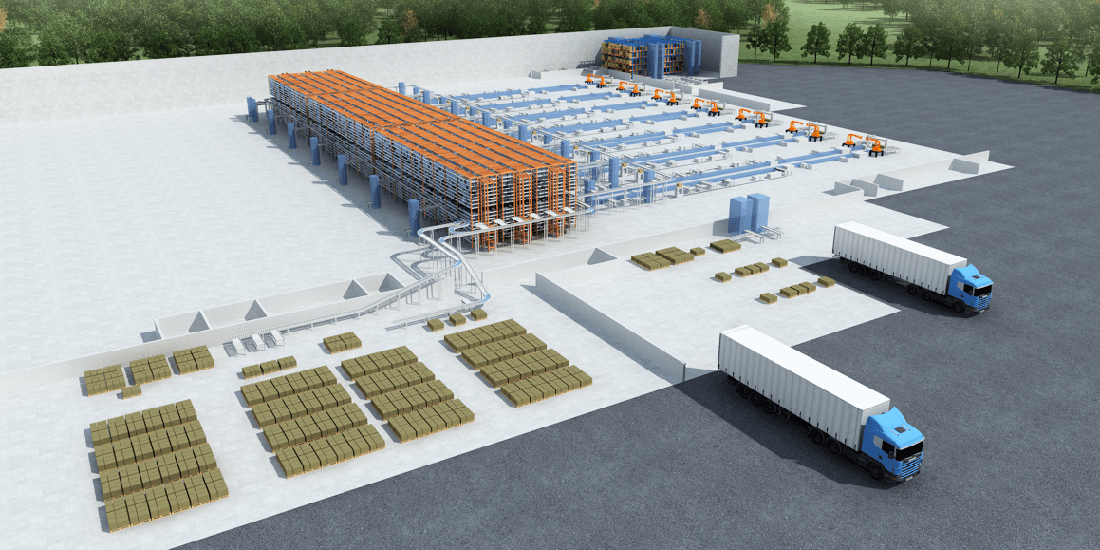
| SSTC automated storage and retrieval system operating in a modern chemical and advanced materials storage facility中文/CN

AS/RS In Cold Chain Industry: 7 Proven Ways To Revolutionize Sub-Zero Warehousing

AS/RS in cold chain industry: 7 Proven Ways to Revolutionize Sub-Zero Warehousing

Discover how AS/RS in cold chain industry operations engineered by SSTC Intelligence eliminates sub-zero labor bottlenecks, slashes refrigeration energy costs, and maximizes pallet storage.

The modern temperature-controlled supply chain is operating under unprecedented financial and operational strain. As global populations urbanize and consumer expectations for year-round fresh foods, pharmaceuticals, and temperature-sensitive biologicals soar, cold storage facilities face immense pressure. According to annual market capacity tracking by the Global Cold Chain Alliance (GCCA), global refrigerated warehousing capacity continues to expand rapidly to meet surging market requirements. However, expanding physical footprint alone is no longer economically viable. Soaring electricity tariffs, acute labor shortages in freezing environments, and strict food safety mandates have pushed traditional, manual cold-storage warehouses to their absolute limits.

In this high-stakes environment, deploying an advanced AS/RS in cold chain industry facilities has transitioned from a competitive advantage to an operational survival necessity. Unlike manual pallet handling or semi-automated configurations, a fully integrated, unit-load Automated Storage and Retrieval System (AS/RS) centered on high-speed stacker cranes and high-bay structural racking provides the ultimate engineering framework for high-density, energy-efficient, and unmanned sub-zero warehousing. SSTC Intelligence delivers custom-engineered, end-to-end AS/RS solutions designed specifically to withstand the punishing thermodynamic realities of freezing and chilled environments.

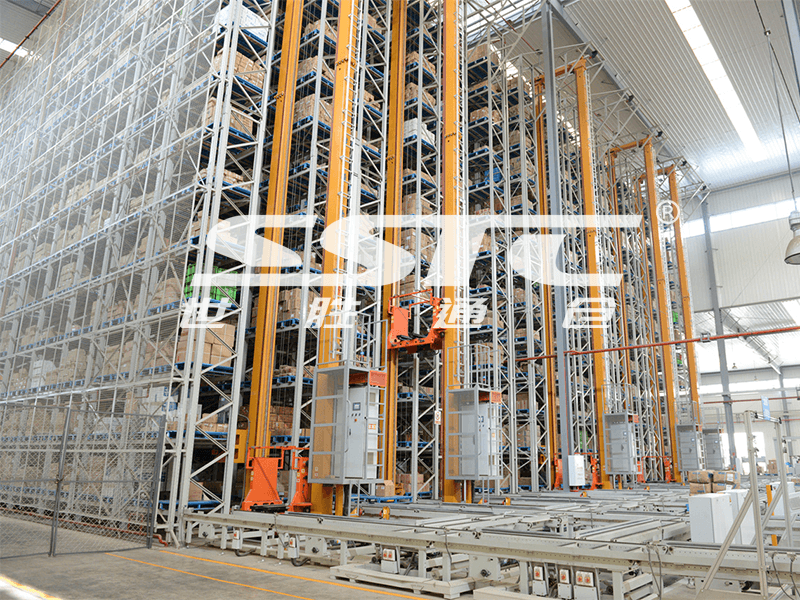
Automated Storage and Retrieval System (AS/RS) stacker crane operating in a sub-zero cold chain industry high-bay warehouse engineered by SSTC Intelligence

1. The Critical Challenges of Conventional Cold Chain Warehousing

To appreciate the transformative impact of automated storage, one must first examine the deep structural inefficiencies that plague manual or low-bay refrigerated warehouses. Operating in sub-zero environments—typically ranging from -20°C to -30°C—introduces severe physical, financial, and logistical friction points.

  • The Staggering Energy Crisis of Refrigeration

Energy is the lifeblood of any cold storage facility and invariably represents the single largest operational expenditure on the balance sheet. Refrigerated warehouses consume electrical power at rates vastly exceeding standard ambient commercial buildings. A significant portion of this thermal load enters through the building’s roof and exterior walls.

In a conventional, low-ceiling cold warehouse where forklifts dictate a maximum stacking height of 5 to 6 meters, the facility must sprawl across a massive footprint to accommodate thousands of pallets. A larger roof footprint directly translates to exponentially higher heat gain, forcing refrigeration compressors to work continuously and devouring enormous quantities of electrical energy.

  • Human Labor Deficits in Freezing Environments

Working in sub-zero freezers is physically punishing. Human operators navigating aisles at -25°C experience severe fatigue, diminished concentration, and high physical strain. This hostile operating environment directly drives chronic staff absenteeism, exceptionally high personnel turnover rates, and increased susceptibility to picking errors. Furthermore, frequent opening of freezer doors to let manual forklift drivers in and out causes massive surges of warm, humid ambient air to enter the cold room, resulting in dangerous frost buildup, icy patches on floors, and thermal energy loss.

  • Compromised Inventory Integrity and FIFO Failures

Perishable and frozen goods demand rigorous adherence to First-In, First-Out (FIFO) stock rotation to prevent product spoilage, expiration write-offs, and supply chain recalls. In manual cold stores, workers encumbered by heavy thermal gear often struggle to verify batch numbers, resulting in misplaced pallets, buried stock, and broken cold chains.

According to research highlights published by Automation.com Cold Storage Insights, facilities that modernize their high-bay storage through automation achieve dramatic reductions in operational waste and energy consumption, effectively bridging the gap between escalating operating costs and profitability.

2. Seven Ways AS/RS Revolutionizes Cold Chain Logistics

Implementing an AS/RS in cold chain industry facilities completely redefines how perishable and frozen inventory is stored, tracked, and retrieved. By combining precision high-bay steel structures, automated stacker cranes, and integrated software control, automated systems deliver seven core operational breakthroughs:

2.1. Massive Footprint Reduction and Energy Optimization

By utilizing vertical space and scaling high-bay racking up to 25 meters or higher, an AS/RS allows cold storage operators to store the exact same volume of palletized goods within a fraction of the building footprint. Shrinking the physical building footprint—and consequently the roof surface area—drastically reduces thermal heat gain. This geometric efficiency allows refrigeration systems to operate with significantly reduced electrical loads, cutting overall facility energy consumption by up to 60% compared to sprawling manual warehouses.

2.2. Complete Elimination of Human Presence in Sub-Zero Zones

An AS/RS removes human operators entirely from the freezing storage vault. Automated stacker cranes and high-speed conveyor lines handle the storage and retrieval of heavy pallets autonomously. Employees are transitioned out of hazardous sub-zero freezers and into comfortable, climate-controlled supervision and quality control roles, effectively eliminating cold-induced fatigue, injuries, and high labor turnover.

2.3. Sub-Millimeter High-Bay Density and Vertical Maximization

Conventional forklifts are structurally limited by mast heights and stability constraints, typically topping out at 6 to 8 meters. In contrast, heavy-duty AS/RS stacker cranes operate within narrow, high-density aisles stretching up to 30 meters high. This unlocks maximum volumetric storage density, transforming wasted vertical air space into highly profitable storage capacity.

2.4. Flawless FIFO Rotation and Inventory Traceability

An AS/RS integrates deeply with advanced Warehouse Management Systems (WMS) and Warehouse Control Systems (WCS). When temperature-sensitive food or pharmaceutical pallets enter the receiving dock, they are scanned, profiled, and assigned an optimal storage location. The software enforces strict FIFO protocols automatically, ensuring that older stock is retrieved first. This eliminates human picking errors and guarantees 100% inventory accuracy.

2.5. Elimination of Door-Opening Thermal Surges

In manual warehouses, constant forklift traffic requires large dock and freezer doors to remain open for extended periods, allowing warm ambient air to rush in and cause temperature fluctuations that threaten perishable product integrity. An AS/RS operates within a fully enclosed, compact high-bay racking envelope where automated transfer occurs rapidly through small, sealed shutter interfaces, maintaining stable sub-zero internal temperatures.

2.6. Zero Rack Collisions and Product Damage

Forklift-induced impacts against storage racks and pallets are a leading cause of inventory loss and structural damage in manual cold storage facilities. AS/RS stacker cranes travel on precision-guided floor rails and overhead guides under computerized control, eliminating accidental collisions, dropped loads, and damaged packaging.

2.7. Scalability and Future-Proofing

As cold chain enterprises expand, scaling a manual warehouse requires acquiring adjacent land and constructing additional buildings. An AS/RS allows facilities to maximize existing vertical real estate, providing a highly scalable infrastructure that adapts effortlessly to fluctuating seasonal inventory demands without physical footprint expansion.


3. Engineering Precision: Designing AS/RS for Extreme Sub-Zero Environments

Deploying mechanical machinery in continuous -30°C environments presents severe metallurgical and engineering challenges. Standard steel, conventional lubricants, and commercial electronics fail rapidly under freezing temperatures and constant condensation. SSTC Intelligence engineers every component of its AS/RS to conquer these harsh conditions:

  • Low-Temperature Structural Steel: High-bay racking and stacker crane masts are fabricated from high-tensile structural steels engineered to maintain high impact toughness and structural ductility at sub-zero temperatures, preventing brittle fracture under heavy loads.

  • Specialized Sub-Zero Lubrication: All bearings, gearboxes, and mechanical drive assemblies are filled with synthetic, low-temperature aviation-grade lubricants that prevent thickening or freezing, ensuring smooth, continuous mechanical operation.

  • Heated Electrical Enclosures: Onboard PLCs, sensor arrays, and drive motors are equipped with thermostatically controlled internal heating elements and condensation-resistant sealing to eliminate electrical shorts caused by moisture crystallization.

  • Laser-Guided Precision Positioning: Stacker cranes utilize advanced optical laser distance meters and absolute encoders to navigate high-bay aisles with sub-millimeter precision, ensuring flawless alignment even during rapid acceleration and deceleration cycles.

4. Economic ROI and Financial Justification

While an AS/RS requires a significant upfront capital investment, its financial payback period in cold chain applications is exceptionally rapid due to compounding operational savings:

  • Energy Savings: Slashing refrigeration electricity bills by up to two-thirds through footprint reduction delivers massive, recurring monthly OpEx savings.

  • Labor Cost Reduction: Cutting reliance on large manual freezer-crew workforces reduces direct payroll expenses, worker compensation claims, and recruitment costs.

  • Elimination of Shrinkage: Preventing spoiled perishable stock and damaged packaging preserves gross profit margins.

  • Maximized Inventory Turnaround: Accelerating order fulfillment velocity increases total facility throughput capacity.

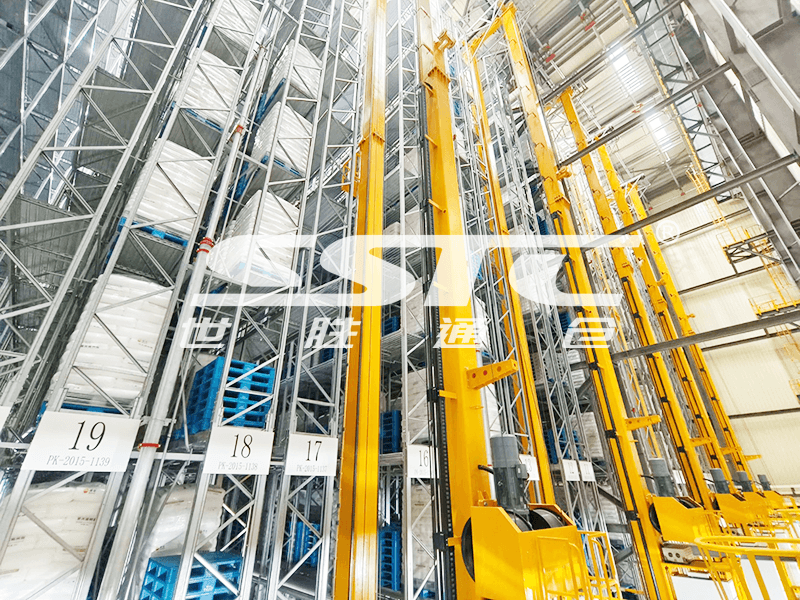
High-bay racking structure optimized for perishable pallet storage within a modern cold chain industry facility

5. Turnkey Integration Framework by SSTC Intelligence

Successfully implementing an automated cold storage facility requires meticulous multidisciplinary coordination. SSTC Intelligence manages the entire lifecycle as a full-service turnkey integrator:

  • Thermal and Structural Simulation: Conducting thorough engineering simulations to model building loads, airflow dynamics, and insulation integration.

  • Custom Manufacturing: Fabricating precision racking and robust stacker cranes within our 90,000 m² smart manufacturing base.

  • Software Configuration: Tailoring WMS/WCS modules to synchronize seamlessly with enterprise ERP systems.

  • On-Site Installation and Commissioning: Executing rigorous sub-zero load testing and comprehensive personnel training.

Frequently Asked Questions (FAQ)

To assist cold chain operators and logistics directors, here are answers to common technical inquiries regarding an AS/RS in cold chain industry applications:

Q1: How does an AS/RS handle condensation and frost accumulation in sub-zero freezers?

A: SSTC Intelligence utilizes specialized corrosion-resistant coatings, sealed electrical enclosures with internal heaters, and engineered air-curtain management around transfer zones to mitigate condensation and prevent frost buildup on critical mechanical components.

Q2: What is the maximum height and load capacity of an SSTC cold storage AS/RS?

A: Our high-bay AS/RS solutions can be engineered to heights exceeding 30 meters, supporting unit-load stacker crane capacities ranging from 1,000 kg to over 2,500 kg per pallet position.

Q3: How does AS/RS reduce energy consumption in cold storage?

A: By scaling high-bay vertical storage up to 30 meters, the building’s horizontal footprint is dramatically reduced. Since roof heat gain is the primary driver of refrigeration energy consumption, a smaller roof footprint significantly lowers compressor workloads and electricity bills.

Q4: Can an AS/RS integrate with our existing enterprise ERP software?

A: Yes. Our Warehouse Control Systems (WCS) feature robust API and middleware gateways that allow real-time data integration with standard ERP platforms such as SAP, Oracle, and Microsoft Dynamics.

Conclusion: Securing the Future of Cold Chain Logistics

As global cold chain demands intensify, relying on manual, energy-inefficient storage is no longer sustainable. Transitioning to an automated high-bay AS/RS empowers cold storage enterprises to slash electrical overhead, protect workers from hazardous freezing environments, and achieve 100% inventory accuracy.

SSTC Intelligence delivers world-class, turnkey AS/RS solutions engineered specifically for the rigorous demands of the cold chain sector. To explore how our custom automation can transform your facility, visit our official website at www.sstc-storage.com.

Contact Information

Ready to discuss your cold storage warehousing project? Reach out to our engineering specialists directly:

High-bay racking structure optimized for perishable pallet storage within a modern cold chain industry facility

Prev:

Next:

Leave a message